
Yes, you can bring a backpack and a carry on luggage on almost every major airline, provided your items fit the specific size and weight limits of your carrier. Most airlines allow one main carry-on bag plus one smaller personal item, such as a backpack.
Can you bring both a backpack and luggage
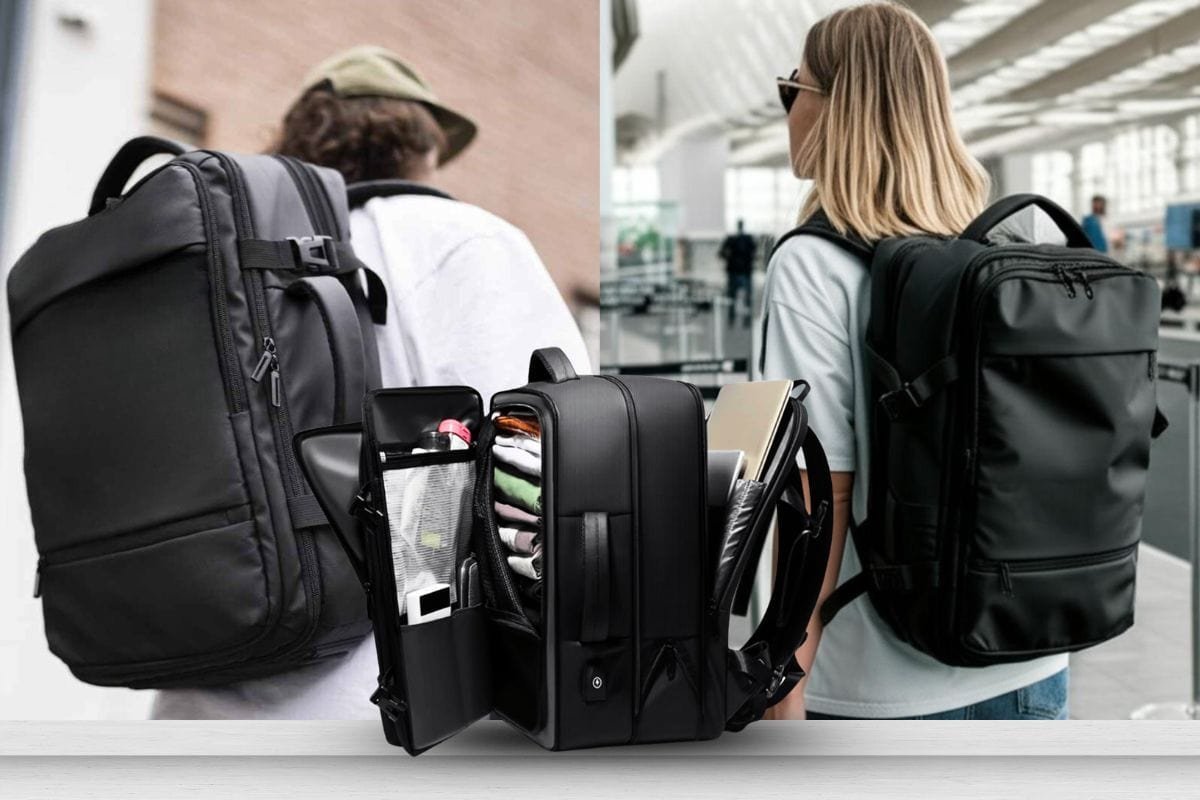
Most airlines define your total allowance as one carry-on bag that fits in the overhead bin and one personal item that fits under the seat in front of you. Because each airline has different rules regarding dimensions and weight, checking your specific ticket type is essential.
| Airline | Personal Item Size (Inches) | Carry-on Size (Inches) |
|---|---|---|
| American Airlines | 18 x 14 x 8 | 22 x 14 x 9 |
| Delta Air Lines | No set limit | 22 x 14 x 9 |
| United Airlines | 17 x 10 x 9 | 22 x 14 x 9 |
| Southwest Airlines | 16.25 x 13.5 x 8 | 24 x 16 x 10 |
| JetBlue Airways | 17 x 13 x 8 | 22 x 14 x 9 |
The Transportation Security Administration manages security screening, but they don’t set the size limits for your bags; those rules come directly from your airline. If your bag is too large, the gate agent may force you to check it, which often results in a fee.
What determines your bag allowance
Your allowance depends on the airline’s specific policy for your travel class and the type of ticket you purchased. Basic Economy tickets on some carriers restrict you to only a personal item, meaning you can’t bring a second bag without paying extra. You must check your booking confirmation or the airline’s website to confirm whether your fare includes a full-sized carry-on.
Weight limits also vary significantly; some international carriers enforce a strict total weight limit for both bags combined, while others only care that you can lift your carry-on into the overhead bin yourself. If your ticket is for a budget airline, expect smaller size tolerances for both items. If you’re flying on a standard domestic flight, you generally have more flexibility. If you have a Basic Economy ticket, check the airline site for baggage rules; if you have a premium ticket, you usually get the full allowance.
How to pack for two bags
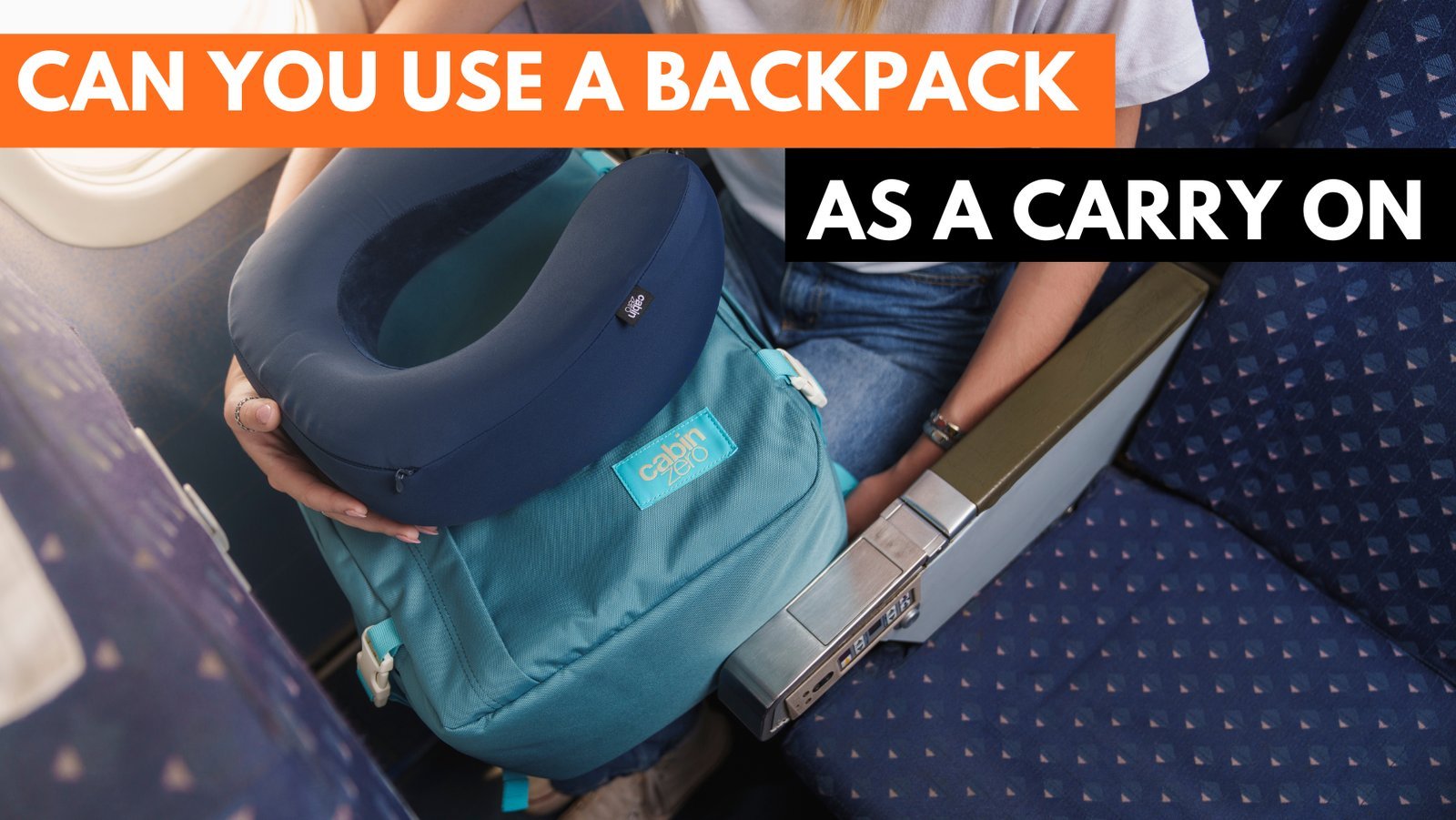
- Measure your items before you leave for the airport to ensure they meet the dimensions listed on your boarding pass.
- Pack heavy items in your carry-on luggage to keep your backpack light and easy to slide under the seat.
- Keep essentials like medication, electronics, and travel documents in your backpack so you have them at your seat.
- Use compression cubes to maximize the space inside your carry-on, which helps you stay within the airline’s strict size limits.
- Verify the weight of your carry-on using a luggage scale if you’re flying an airline that enforces a strict weight limit.
- Confirm your boarding group because, on full flights, the overhead bin space may run out, requiring you to gate-check your carry-on.
The common mistake with bag sizes
People often assume that because a bag fits in the overhead bin on one flight, it will fit on every flight. This mistake can lead to unexpected gate-check fees or the need to pay for checked luggage at the last minute. Every aircraft has different bin dimensions, and regional jets often have much smaller storage space than large international planes. Always use a soft-sided backpack that can compress if necessary, and check the specific dimensions provided by your airline for your aircraft type before you head to the gate.
When to seek airline assistance
- Oversized bags: If your bag exceeds the maximum length or width, you must speak with an agent at the check-in desk to avoid a gate penalty.
- Weight concerns: If you suspect your bag is over the weight limit, ask the airline staff to weigh it before you reach the security checkpoint.
- Medical equipment: If you’re carrying specialized medical devices, contact the airline’s accessibility department in advance to ensure they don’t count against your baggage allowance.
Frequently asked questions
Photo: www.reddit.com on Google
Does a backpack count as a carry-on?
Usually, your backpack counts as your personal item, not your carry-on, provided it fits under the seat in front of you. You should check your airline’s specific definitions to be certain of their classification.
How many bags can I bring on a plane?
Most airlines allow two bags per passenger: one carry-on for the overhead bin and one personal item for under the seat. Some budget airlines restrict this to one item for certain ticket types.
Is there a weight limit for carry-on bags?
Yes, many international airlines set a weight limit, often between 15 and 22 pounds, depending on the carrier. Domestic US airlines rarely weigh carry-on bags unless they appear significantly oversized or too heavy to lift.
What happens if my bag is too big?
If your bag is too big, the airline will require you to check it at the gate, which may incur a fee. Always measure your luggage against the airline’s posted limits before you arrive.
Can I bring a laptop bag and a backpack?
Generally, no, unless one of those items fits inside the other to form a single personal item. Most airlines strictly enforce the “two-bag” rule for all passengers, regardless of the bag type.
Does a duty-free bag count as a carry-on?
Yes, most airlines count a duty-free shopping bag as a carry-on item. If you already have your full allowance of two bags, you may be required to place the duty-free bag inside one of them.
Conclusion
Start by checking your airline’s website for their specific baggage size and weight limits for your ticket type. You should expect to breeze through security if both bags meet these requirements. If you see your bag is clearly too large, speak with a gate agent immediately to avoid boarding delays.