
Yes, you can absolutely use a backpack as your carry-on bag for air travel, provided it fits within the airline’s specific size and weight restrictions. Most major carriers treat a backpack exactly like a standard carry-on suitcase, meaning it must fit in the overhead bin or underneath the seat in front of you. As long as your gear adheres to the dimensions mandated by your airline, you can bypass the traditional roller bag entirely for a more mobile and versatile travel experience.
Key Takeaways
Photo: brooksidechurchtulsa.com on Google
- Confirm your airline’s specific linear inch requirements before you head to the airport.
- Measure your backpack when it’s fully packed to ensure it doesn’t bulge.
- Keep your essential travel documents and medications in an easy-to-access exterior pocket.
- Distribute weight evenly within the bag to ensure it remains comfortable during long walks.
- Check the weight limit, as some carriers have strict caps even for carry-on items.
Can My Carry On Be A Backpack?
The short answer is yes, as long as the backpack dimensions stay within the limits set by the TSA carry-on bag guidelines. Most domestic airlines in the United States allow a carry-on bag that measures approximately 22 x 14 x 9 inches, including handles and wheels.
If your backpack is soft-sided, you have a slight advantage because you can compress it to fit into the metal sizers provided at the boarding gate. Always measure your bag while it’s full, as a stuffed pack often exceeds the depth limits that airlines enforce.
Weight And Size Constraints
Every airline sets its own rules, but common dimensions for carry-on items typically range from 20 to 22 inches in height, 13 to 14 inches in width, and 8 to 9 inches in depth. While some international carriers impose a weight limit, most U.S. domestic airlines don’t weigh carry-on bags unless they look visibly oversized. Always aim for a lightweight travel pack to keep your total load manageable when moving through crowded terminals or navigating public transit.
| Airline Class | Typical Height Range | Typical Weight Limit |
|---|---|---|
| Domestic Economy | 20″ – 22″ | N/A – 25 lbs |
| International Economy | 20″ – 22″ | 15 lbs – 22 lbs |
| Domestic First Class | 22″ – 24″ | N/A – 30 lbs |
Benefits Of Backpack Travel
Choosing a backpack over a rolling suitcase offers significant advantages for travelers who prioritize mobility. You can navigate stairs, cobblestone streets, and crowded boarding bridges with ease. Furthermore, a backpack keeps your hands free for holding tickets or coffee. When you use a dedicated travel backpack, you benefit from features like internal compression straps and padded laptop sleeves that keep your electronics secure and organized throughout your journey.
Essential Packing Strategies
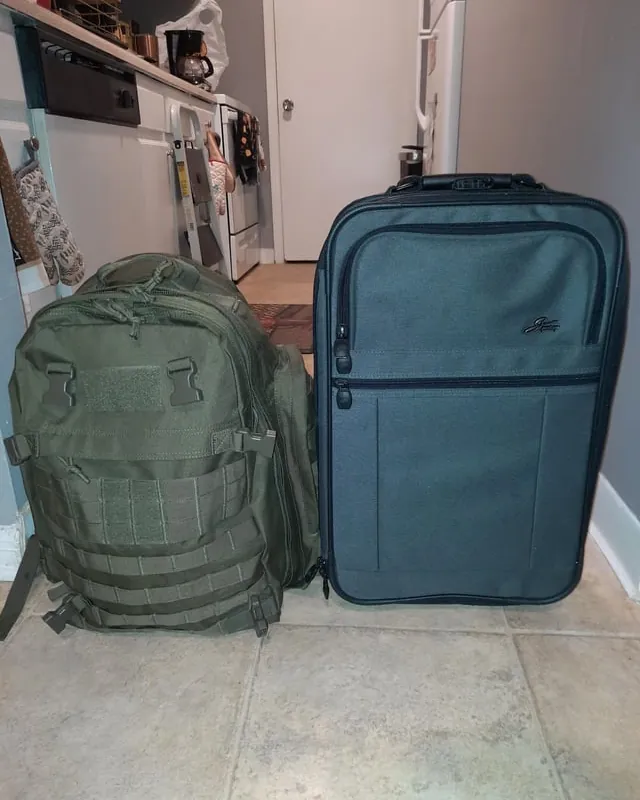
To maximize the utility of your backpack, focus on efficient packing techniques. Utilize packing cubes to compartmentalize your clothing and prevent your gear from shifting during transit. Place heavier items, such as shoes or toiletry kits, at the bottom of the bag near your back to improve your center of gravity. Remember that liquid container rules still apply; place all toiletries in a clear, quart-sized bag in an accessible location so you can remove them quickly for security screening.
Selecting The Right Bag
When shopping for a travel backpack, prioritize durability and functional design over aesthetics. Look for water-resistant fabrics and YKK zippers, which are known for their reliability. A bag with a hip belt system is highly recommended if you plan to carry heavy electronics, as it transfers the weight from your shoulders to your hips, reducing strain.
| Feature Type | What To Look For | Why It Matters |
|---|---|---|
| Material | Ballistic Nylon | Resistance to tears |
| Zippers | Lockable Sliders | Security and theft prevention |
| Access | Clamshell Opening | Easy packing and visibility |
Common Troubleshooting Issues
If your backpack looks too large, gate agents may ask you to place it in the sizer box. If it doesn’t fit, you might be forced to check your bag at the gate, which can lead to unexpected fees or delays. Warning: Never overpack your bag to the point where the zippers are straining, as this makes the pack appear larger than it actually is and increases the risk of damage to the fabric or hardware during transit.
Packing Your Electronics
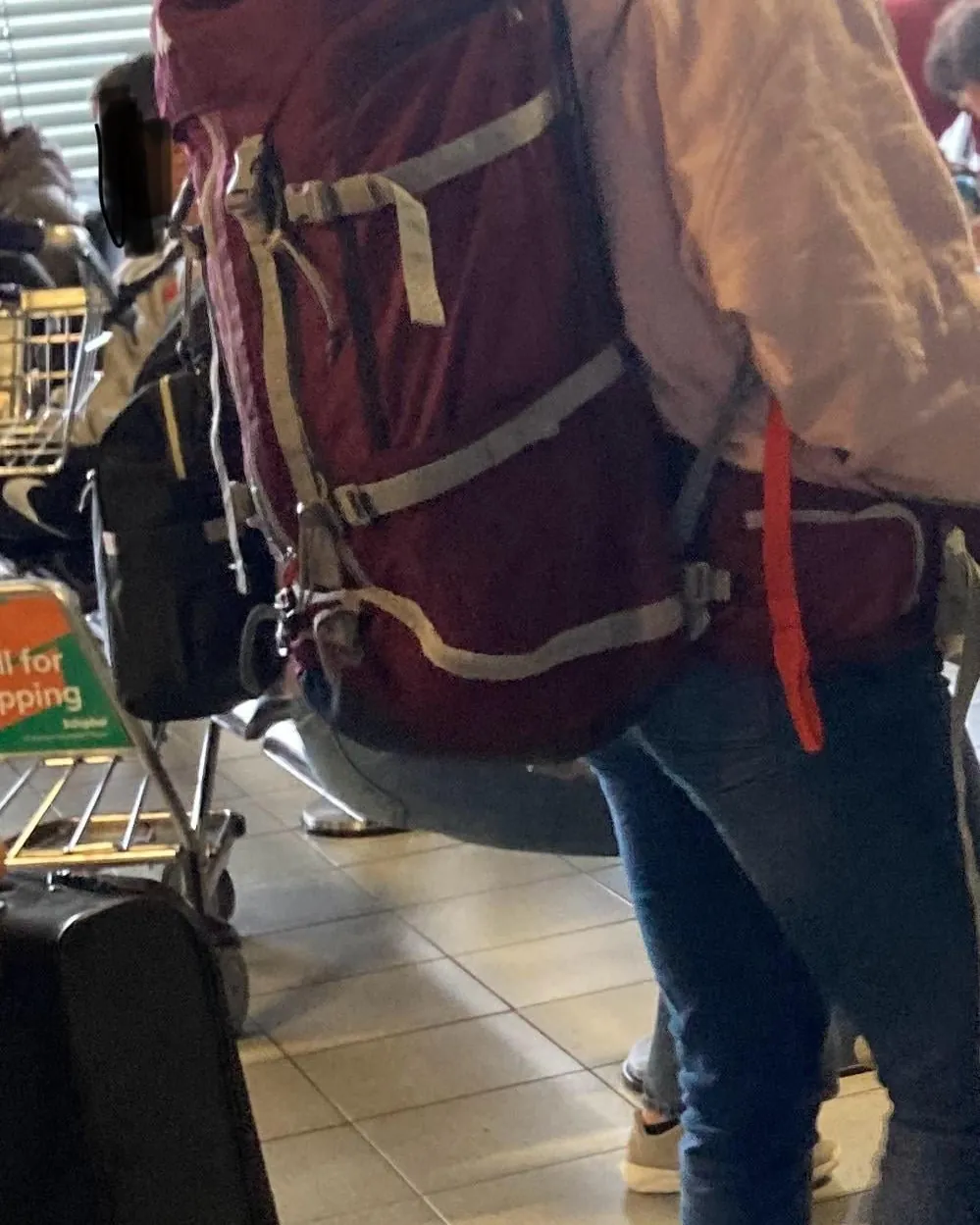
Most airlines allow one carry-on bag and one personal item, such as a small purse or laptop bag. If your backpack is your primary carry-on, ensure your laptop is stored in a way that allows for quick removal. Pro Tip: Use a padded tech pouch to organize your chargers, cables, and power banks so they don’t become a tangled mess at the bottom of your main compartment.
Frequently Asked Questions
Do I need a special travel backpack?
You don’t need a specialized travel bag, but a standard hiking backpack may lack the organizational features that make airport transit easier. Travel-specific backpacks often feature clamshell openings, which function like a suitcase, allowing you to see all your items at once. If you use a hiking pack, ensure the external straps are tucked away so they don’t get caught in conveyor belts or luggage bins.
Can I bring a backpack and a carry-on?
Yes, most airlines allow one carry-on bag and one personal item. If your backpack meets the size requirements for a personal item—typically fitting under the seat in front of you—you can carry a larger suitcase in the overhead bin. If your backpack is your primary carry-on, it must fit in the overhead bin, and your personal item must be a smaller bag like a tote or briefcase.
What if my backpack is slightly oversized?
If your backpack is slightly oversized, you might get away with it if the flight isn’t full. However, if the overhead bins are crowded, gate agents are more likely to enforce size limits. If they determine it’s too large, you’ll have to check it, which could cost extra money and force you to wait at the baggage claim carousel upon arrival.
How do I handle security with a backpack?
Security processes remain the same regardless of your bag type. You must place your backpack on the conveyor belt for X-ray scanning. If you have a laptop or large electronics, you may need to remove them from the bag depending on the specific airport’s screening technology. Always keep your identification and boarding pass in your pocket to avoid digging through your bag during the security check.
Is a backpack safer for my laptop?
A backpack is generally safe for laptops, provided the bag has a dedicated, padded sleeve that keeps the device away from the bottom of the bag. Avoid placing heavy items directly on top of your laptop. If you’re concerned about impact, consider using a secondary protective sleeve inside the bag to provide an extra layer of cushioning against accidental drops or bumps.
Conclusion
Start by checking your specific airline’s official website for their current carry-on dimensions and weight limits, as these can change seasonally. Use a measuring tape to verify your backpack’s dimensions while fully packed, and adjust your contents if you exceed the allowed size. Once you confirm your bag fits the criteria, you can enjoy the freedom of traveling with your gear comfortably on your back.