
Yes, you can have a backpack and a carry on bag on most commercial flights today. This assumes your airline allows one personal item and one carry-on, so you should always check your specific ticket class before arriving at the airport to avoid extra fees.
Understanding your backpack and carry on allowance
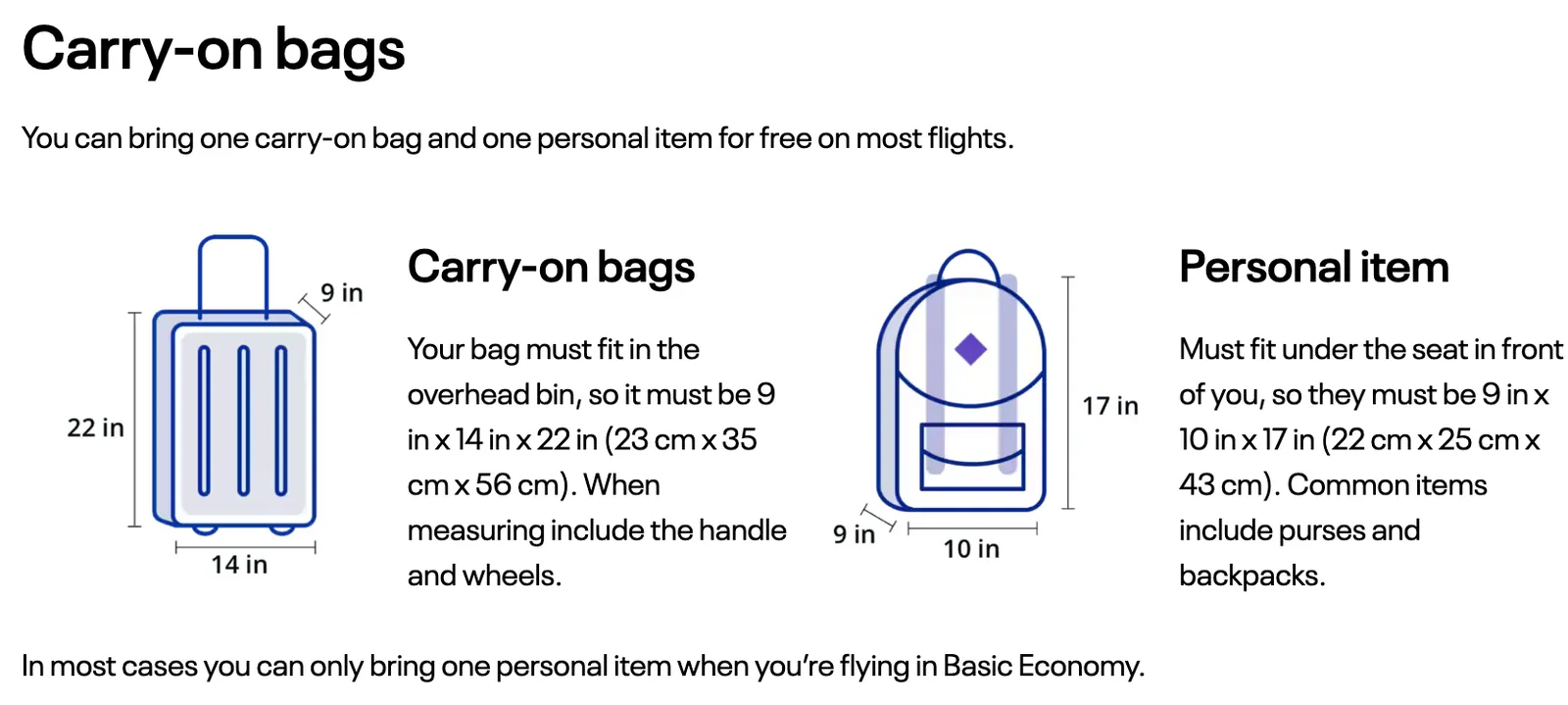
Most major airlines define a “carry-on” as a bag that goes in the overhead bin and a “personal item” as a bag that fits under the seat in front of you. A backpack is usually treated as a personal item if it fits under the seat, while a rolling suitcase is your carry-on. If your backpack is too large to fit under the seat, the airline may force you to check it at the gate.
| Your situation | Answer | Why |
|---|---|---|
| Standard economy ticket | Yes | Most allow two bags |
| Basic economy ticket | Check airline | Some limit you to one |
| Regional small jets | Maybe | Overhead space is limited |
| International long haul | Yes | Standard policy includes two |
| Budget carrier | Often extra | They charge for carry-ons |
| Business class | Yes | Higher allowance provided |
The rules that decide your allowance
The primary factor determining if you can bring both bags is the specific fare class you purchased. Budget airlines often sell “Basic Economy” tickets that restrict passengers to only one personal item; any additional bag must be paid for as checked luggage. The Transportation Security Administration manages security screening for these items, but they don’t set the weight or size limits for individual airlines.
Beyond the ticket type, the physical size of your backpack decides if it counts as a personal item. If it exceeds the dimensions set by your carrier—typically 18 x 14 x 8 inches—it will be classified as a carry-on. If you already have a suitcase, you’ll be over your limit. If the total weight of your bags exceeds the airline’s limit, you’ll pay a fee; if the bag size fits the airline’s sizer, you’ll board without issue.
How to pack two bags effectively
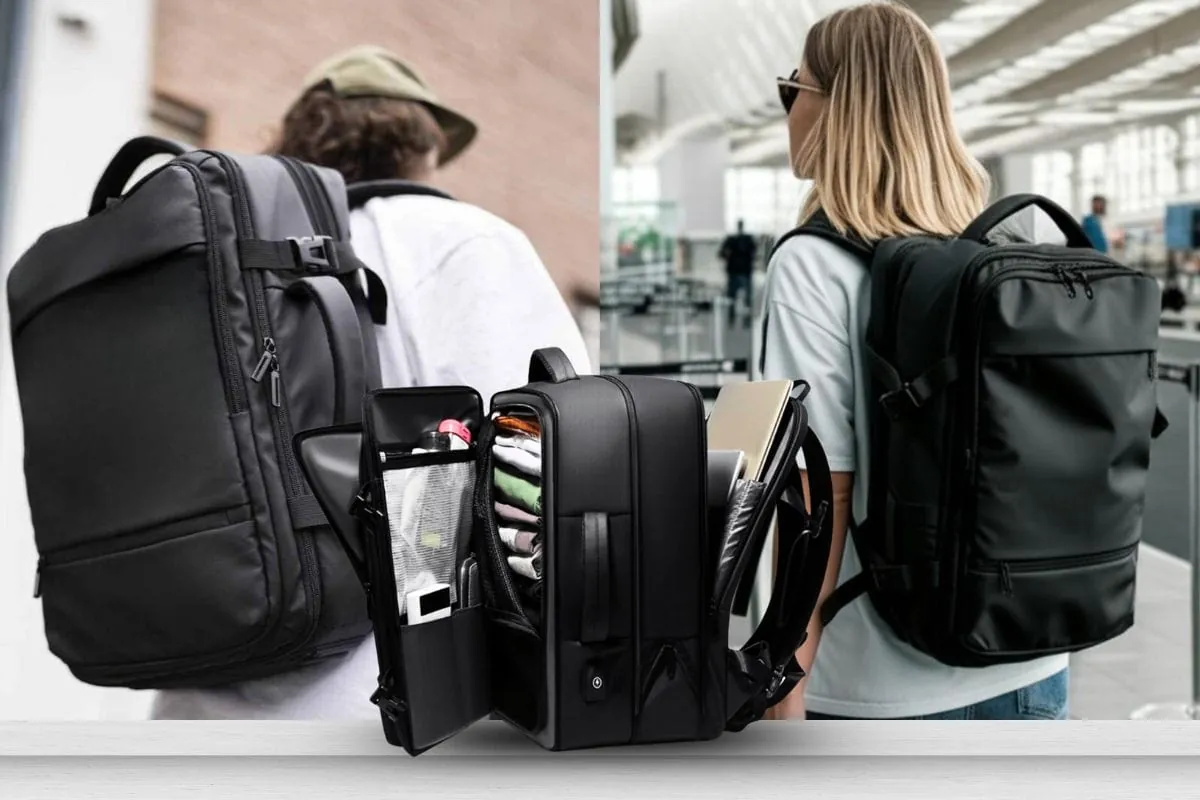
If you decide to bring both a backpack and a carry-on, follow these steps to ensure you meet airline requirements.
- Measure your backpack: Use a tape measure to ensure your backpack fits within the personal item dimensions provided on your airline’s website.
- Verify your carry-on: Confirm your rolling bag meets the standard carry-on size, which is usually 22 x 14 x 9 inches for most domestic flights.
- Pack heavy items in the suitcase: Place your heavy electronics and clothes in the carry-on to keep your backpack light and easy to slide under the seat.
- Check for gate-side limits: If you’re flying on a small regional jet, prepare to gate-check your larger carry-on if the flight is full.
- Confirm your fare rules: Double-check your booking confirmation to ensure your ticket class doesn’t restrict you to a single bag.
The common mistake with bag sizes
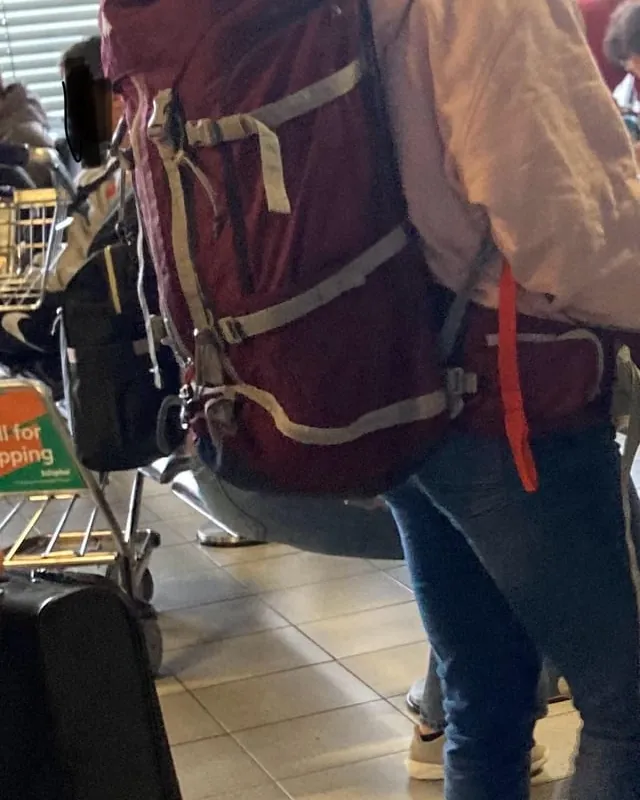
The most frequent mistake people make is bringing a hiking-style backpack that’s far too long to fit under an airplane seat. This costs them time and money because the airline will force them to check the bag at the gate, often leading to an additional checked baggage fee depending on the carrier. To avoid this, always measure your bag while it’s fully packed. If the height exceeds 18 inches, it will likely not fit under the seat, and you should consider it a carry-on rather than a personal item.
When to seek professional assistance
Stop trying to manage your own luggage and speak with an airline agent if you encounter these specific issues:
- Bag weight warnings: If your bags feel significantly heavier than the 20-pound limit common for carry-ons, you must have them weighed at the check-in counter.
- Disabled equipment: If you’re traveling with medical devices, you’re often allowed an extra bag, but you must clear this with the airline’s special assistance desk first.
- Connection conflicts: If your itinerary involves different airlines, their luggage rules may conflict, requiring a representative to verify your allowance for the entire trip.
Frequently asked questions
Can I bring a laptop bag and a backpack?
Yes, you can bring both if one counts as your personal item and the other is your carry-on. Most airlines treat a laptop bag as a personal item, provided it fits under the seat.
What happens if my backpack is too big?
If your backpack is too big, the airline will require you to check it as luggage at the gate. This often incurs a fee, which varies by airline and is usually listed on their website.
How long can my backpack be?
Your backpack can be as long as 18 inches for most airlines to count as a personal item. Check your airline’s specific dimension requirements, as these vary by carrier and aircraft size.
Is it safe to put a laptop in my backpack?
Yes, it’s safe to keep a laptop in your backpack, but it must be removed during security screening. Keep the bag under your seat to protect it from damage during the flight.
Does it matter if I have a rolling backpack?
Yes, it matters if your backpack has wheels, as the frame often makes it too large to fit under the seat. If it doesn’t fit, it must be stored in the overhead bin.
How many items can I carry on?
You can carry on two items, which usually includes one personal item and one carry-on bag. Check your ticket class to ensure your specific fare includes both pieces of luggage.
Conclusion
Start by checking your airline’s baggage policy page to see the exact dimensions for your specific fare class. You should expect to board smoothly if both bags fit within the published limits. If you see a “gate check” tag on your bag, stop and ask the agent for instructions.