
Yes, you can travel with a carry on and backpack on almost every major airline, provided your items fit the airline’s specific size and weight limits. Most carriers allow one carry-on bag and one smaller personal item, such as a backpack, to be stowed in the overhead bin and under your seat.
Travel rules for carry on bags and backpacks
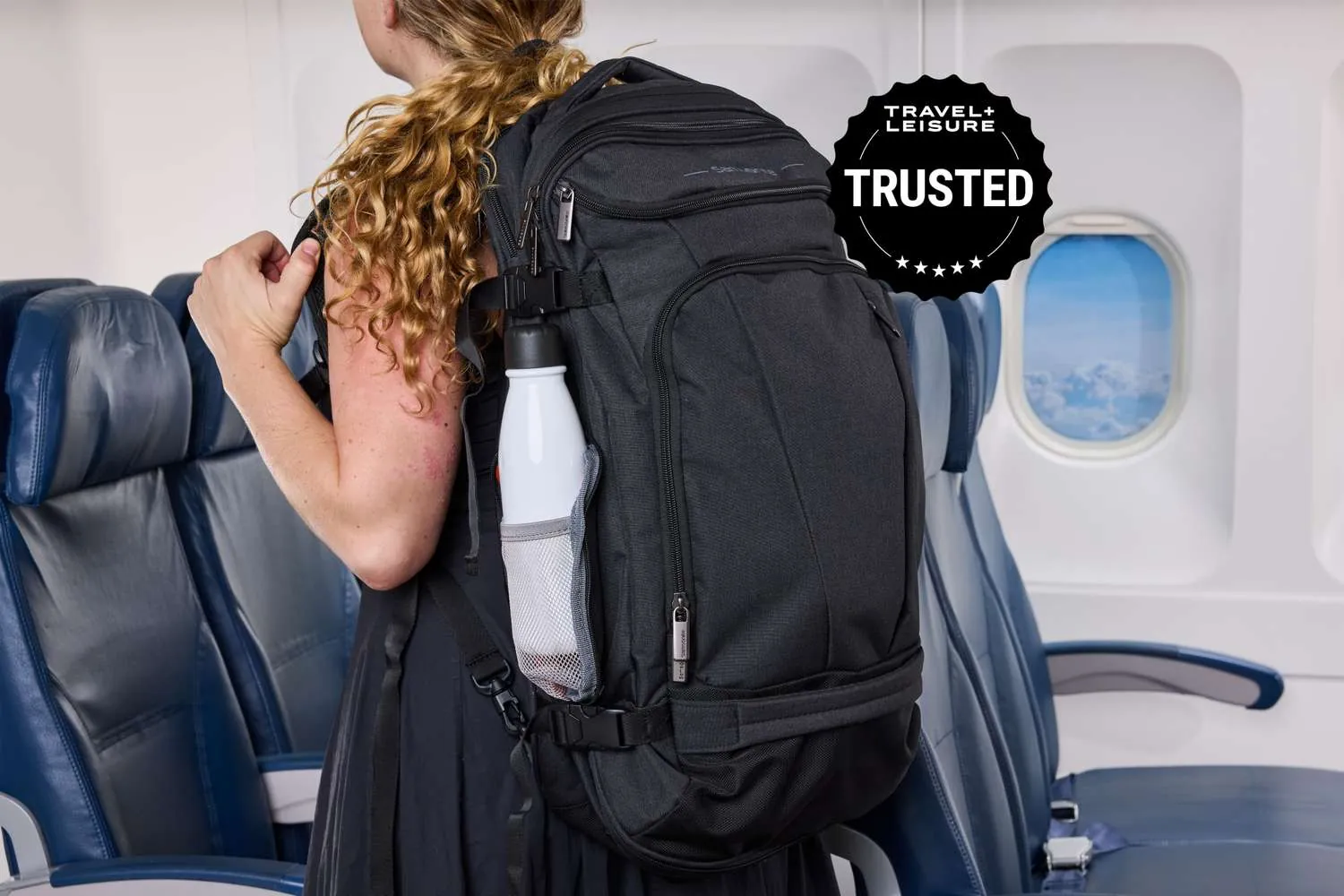
Most airlines define your total allowance by separating items into “carry-on baggage” and “personal items.” A personal item must be small enough to slide fully under the seat in front of you, while your carry-on bag is intended for the overhead compartment.
| Situation | Answer | Why |
|---|---|---|
| Standard economy ticket | Yes | Most allow one bag and one item |
| Basic economy ticket | Check airline | Some limit you to one personal item |
| Regional small aircraft | Maybe | Overhead bins are often too small |
| International flights | Yes | Standard allowance applies to most routes |
| Full flight capacity | No | You may be forced to gate-check bags |
| Traveling with infant | Yes | Extra diaper bag is usually allowed |
What dictates your baggage allowance
The primary factor determining if you can bring both bags is the specific fare class you purchased. While legacy carriers typically include both a carry-on and a personal item in the standard economy price, budget airlines often restrict basic economy passengers to only one personal item. If you attempt to bring a full-sized carry-on when your ticket only permits a personal item, you’ll likely face a penalty fee at the gate.
Space constraints on smaller regional jets also play a role. Even if your bag meets the size requirements for a Boeing 737, it may not fit in the overhead bin of a smaller Embraer or CRJ aircraft. In these cases, the flight crew will require you to “gate-check” the carry-on bag, which means it will be placed in the cargo hold for free. If you’re wondering about specific dimensions, you can check the TSA carry-on baggage guidelines to understand security screening limitations for your items.
If your ticket includes a carry-on, bring both; if you hold a basic economy ticket, verify the airline’s policy on personal items first.
Managing your two-bag setup
Photo: www.travelandleisure.com on Google
If you decide to bring both bags, follow these steps to ensure a smooth boarding process:
- Measure your bags before leaving home to ensure your carry-on is within the standard 22″ x 14″ x 9″ limit.
- Pack heavy items in your carry-on, while keeping essential documents, electronics, and medications in your smaller backpack.
- Verify the weight limit for your carry-on, as some international carriers enforce a strict 15-pound to 22-pound limit.
- Slide your backpack under the seat in front of you as soon as you reach your row to keep the aisle clear.
- Place your carry-on wheels-first into the overhead bin to maximize space for other passengers.
The mistake that costs travelers money
Photo: eumeworld.com on Google
The most common mistake is assuming that “carry-on” means any bag you can carry. Travelers often bring a backpack that’s too large, exceeding the dimensions of a personal item, and then try to bring a separate suitcase. When the gate agent determines the backpack is too large to fit under the seat, they may treat it as a second carry-on bag. This often results in a mandatory gate-check fee, which is inexpensive relative to the cost of a checked bag depending on the airline. Always ensure your personal item fits comfortably beneath the seat ahead of you.
When to seek professional assistance
Stop trying to manage your bags yourself and ask for help if you encounter these situations:
- The bag is too heavy to lift into the overhead bin, as you risk injuring yourself or other passengers.
- A gate agent marks your bag for a forced check, which requires you to remove all fragile items and batteries.
- You’re flying with medical equipment that requires special storage, which must be cleared with airline staff in advance.
- You need a mobility aid that exceeds standard carry-on size limits.
How many bags can I take on a plane?
You can generally take two bags, consisting of one carry-on and one personal item, provided your ticket class allows it. Check your specific booking confirmation to confirm your baggage allowance.
Is a backpack considered a carry-on or personal item?
A backpack is considered a personal item if it fits under the seat in front of you. If it’s large and occupies the overhead bin, airlines may count it as your carry-on.
What happens if my carry-on is too big?
If your carry-on exceeds the airline’s size limits, you’ll be required to check it into the cargo hold. This may incur an extra baggage fee if it exceeds your total allowance.
Can I bring a purse and a backpack?
You can bring both if one acts as your personal item and the other is small enough to be contained within your carry-on. Otherwise, you must combine them into one personal item.
Do I have to pay to bring a carry-on?
You don’t have to pay for a carry-on if it’s included in your fare class. Basic economy tickets often exclude carry-on bags, requiring you to pay a fee to bring one.
How much does a carry-on weigh?
A carry-on typically has a weight limit between 15 and 22 pounds, though this varies by airline. Check your airline’s official website for the exact weight limit allowed for your flight.
Does a backpack count as a personal item on all airlines?
A backpack counts as a personal item on almost all airlines as long as it fits beneath the seat. If the backpack is large, it will be classified as a carry-on bag.
Start by checking your airline’s mobile app to see your exact baggage allowance for your specific ticket. You should expect a smooth boarding process if both bags meet the required dimensions and weights. If a gate agent tells you the plane is full, be prepared to gate-check your carry-on bag immediately.