
As an Amazon Associate, we earn from qualifying purchases. This post contains affiliate links – if you buy through them, we may earn a commission at no extra cost to you.
Finding the best backpack for hiking isn’t about picking the single most popular model, as every trail and every hiker demands something different. Your choice depends on three key factors: the length of your trip, the amount of gear you need to carry, and your own body type. While some packs prioritize high-capacity storage for multi-day expeditions, others focus on lightweight agility for fast-paced day hikes. The market is split between those who need the heavy-duty support of an internal frame and those who prefer the minimalist freedom of a packable or hydration-focused design. If you’re preparing for a long trek, look toward the large-capacity options, whereas those hitting local trails for a few hours will find better utility in a compact daypack.
1. Osprey Atmos AG 65L Men’s Backpacking Backpack
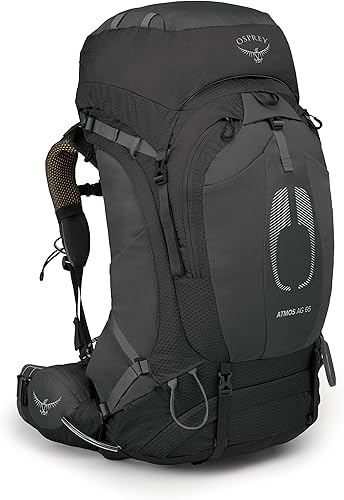
Best for: Someone needing a high-capacity pack for multi-day backpacking trips.
This pack is built for long hauls where comfort under a heavy load is the priority. The Atmos AG 65L features a specialized suspension system designed to distribute weight evenly across your back, which is vital when you’re carrying gear for multiple days. Its floating top lid and lash points allow you to expand your storage capacity for those extra essentials.
Good if:
- You’re planning a multi-day or week-long excursion.
- You need a dedicated, secure space for a sleeping bag.
- You prioritize advanced suspension for heavy loads.
Skip it if:
- You only hike for a few hours at a time.
- You prefer a minimalist, lightweight setup.
2. Teton 65L Explorer Internal Frame Backpack

Best for: Beginners who need a reliable, feature-rich pack for longer adventures.
The Teton Explorer 65L is designed to be accessible for those just starting out while still offering the capacity required for long trips. The torso adjustment system allows you to customize the fit to prevent strain. It also includes molded lumbar pads for better airflow.
Good if:
- You’re a beginner looking for an adjustable, all-in-one pack.
- You need a high-capacity bag for long camping trips.
- You want a pack that offers many storage pockets.
Skip it if:
- You’re focused on ultralight, competitive hiking.
- You find large-frame packs too bulky for your needs.
3. Osprey Talon 22L Men’s Lightweight Hiking Backpack
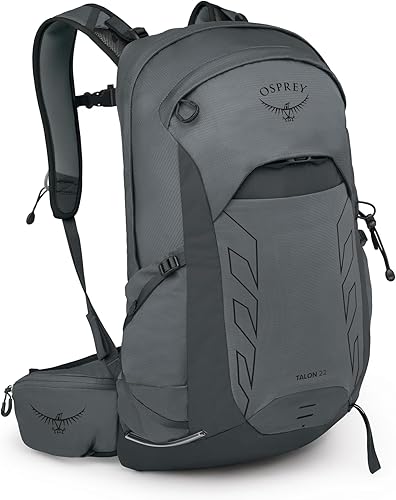
Best for: Hikers who move quickly and need a versatile, lightweight daypack.
The Talon 22L is designed for dynamic movement, making it great for day hikes or cycling. Its AirScape backpanel promotes airflow to keep you cool on uphill climbs. The adjustable harness helps the pack stay stable while in motion.
This pack is very capable for multi-sport use, featuring attachments for trekking poles and ice axes.
Good if:
- You want a lightweight pack for fast-paced day hikes.
- You need a versatile bag that works for cycling.
- You prefer a close-to-body, stable carry.
Skip it if:
- You need to carry gear for an overnight trip.
- You require a larger capacity for bulky winter equipment.
4. Teton Oasis Trailrunner Hydration Backpack
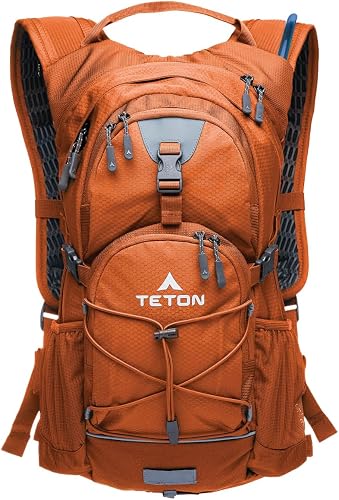
Best for: Runners and cyclists who prioritize constant, easy hydration.
This pack is built for those who need to stay hydrated without stopping. It includes a 2-liter bladder, convenient for quick bike rides or trail runs. The low-profile cut minimizes bounce, keeping the bag secure.
While it excels at hydration, the storage capacity is limited to 18L or 22L.
Good if:
- You’re a runner or cyclist who needs constant water access.
- You want a low-profile pack that stays secure while moving.
- You prefer having the hydration bladder included.
Skip it if:
- You need space for significant extra gear or layers.
- You’re planning a long-distance backpacking trip.
5. Mardingtop 75L Molle Hiking Internal Frame Backpacks
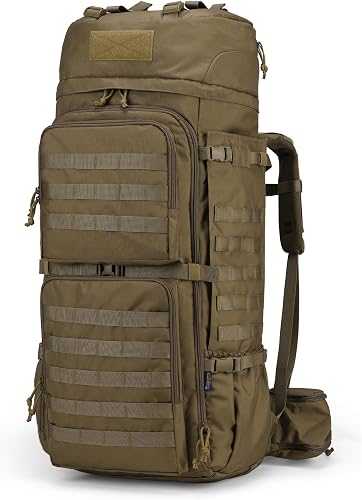
Best for: Hikers who need massive capacity and external attachment options.
The Mardingtop 75L uses a MOLLE webbing system for attaching extra gear. This makes it an excellent choice for those who need to carry specialized equipment or for those going on extended survival-style trips. The front panel opens like a suitcase for easy access.
Good if:
- You need maximum storage space for long expeditions.
- You want to attach external gear using MOLLE webbing.
- You need quick access to the main compartment.
Skip it if:
- You prefer a lightweight, compact daypack.
- You find tactical-style gear too heavy for your style of hiking.
6. Osprey Tempest 22L Women’s Lightweight Hiking Backpack

Best for: Women looking for a lightweight, stable fit for day hikes.
The Tempest 22L is specifically designed to provide a comfortable fit for the female form. Like its counterpart, the Talon, it features the AirScape backpanel to ensure ventilation and stability during active days. It’s versatile enough for biking or hiking, with dedicated attachments for trekking poles and a helmet.
Good if:
- You want a pack designed specifically for a women’s fit.
- You need a lightweight bag for day hikes or cycling.
- You prioritize stability and ventilation.
Skip it if:
- You’re planning an overnight or multi-day excursion.
- You need to carry a large amount of bulky gear.
7. Osprey Sportlite 25L Lightweight Hiking Backpack

Best for: Hikers who want a clean, minimalist design for daily excursions.
The Sportlite 25L keeps things simple, offering a streamlined main compartment and essential storage without extra bells and whistles. The adjustable torso length is a standout feature, allowing you to get a precise fit even if you aren’t sure what size you need. It uses recycled materials, which is a nice touch for the environmentally conscious hiker.
Good if:
- You want a simple, high-quality pack for day hikes.
- You need an adjustable torso for a precise fit.
- You value a minimalist, streamlined look.
Skip it if:
- You need to carry a lot of external, bulky gear.
- You’re looking for a tactical or high-capacity pack.
8. MOUNTAINTOP 40L Hiking Backpack

Best for: Hikers who need a versatile mid-size pack for weekend trips.
The 40L capacity puts this pack in the sweet spot for weekenders—it’s large enough to hold essentials for an overnight stay but not so big that it feels like a burden on a long day hike.
Good if:
- You want a versatile bag for both day hikes and overnight trips.
- You need a pack that fits a hydration bladder.
- You’re looking for a reliable, mid-sized option.
Skip it if:
- You’re going on a multi-day trip requiring heavy gear.
- You need a highly specialized, lightweight racing pack.
9. Eddie Bauer Stowaway

Best for: Travelers who need a lightweight, packable bag for spontaneous adventures.
The Eddie Bauer Stowaway is designed to be the ultimate secondary pack. It folds into its own small pocket, making it easy to throw into a suitcase or a larger bag for when you need a daypack at your destination. It’s surprisingly durable for its weight and includes water-resistant features to handle light weather changes.
Good if:
- You need a pack that folds down for travel.
- You want a lightweight, secondary bag for day trips.
- You need something for light, occasional use.
Skip it if:
- You’re carrying heavy gear for long distances.
- You need the support of a structured internal frame.
10. Mardingtop 25L Hiking Backpack

Best for: Those who need a rugged, tactical-style pack for short trips.
The 25L tactical design is perfect for a tough, durable bag for a day or two of activity. The MOLLE system allows for customization, letting you attach extra gear as needed. It includes a dedicated hydration compartment, which is great for maintaining your water intake on demanding trails.
This pack is built for utility, and the tactical aesthetic is part of its design. It might be too heavy or stiff for someone who prefers a more relaxed, lightweight hiking pack.
Good if:
- You want a rugged, tactical-style bag for hiking or cycling.
- You need to customize your bag with extra gear.
- You want a dedicated hydration sleeve.
Skip it if:
- You prefer a soft, lightweight, non-tactical pack.
- You’re looking for a pack with a high-end ventilation system.
Where These Overlap
Many of the packs on this list share similar features, specifically regarding hydration compatibility and the use of adjustable hip belts for stability. Similarly, the Mardingtop 75L and the Teton Explorer 65L both serve as high-capacity options for longer trips, though the Mardingtop leans into a tactical aesthetic with more external webbing. If you’re deciding between the mid-size options like the Mountaintop 40L and the Osprey Sportlite 25L, consider if you truly need the extra 15 liters of space, as the Osprey generally offers a more refined, minimalist carry.
Still Not Sure?
How often will I really use it?
If you only plan to hit the trails a few times a year, you don’t need a highly technical, specialized frame. A versatile, mid-size pack like the Mountaintop 40L will likely handle all your needs without the complications of more complex gear.
What do I already own that this has to work with?
Think about your current gear, especially your sleeping bag and tent. If you have bulky, entry-level camping gear, you’ll need a higher-capacity bag like the Teton Explorer 65L to fit everything inside. If you have ultralight gear, you can easily use a smaller pack like the Osprey Talon 22L.
What am I most likely to regret choosing?
The most common regret is buying a pack that’s too heavy for the type of hiking you actually do. Stick to a comfortable, lighter option like the Osprey Sportlite 25L, which is much more enjoyable for a typical day hike.
The best backpack for your needs comes down to your primary activity and how much gear you must carry. For long, multi-day trips where you need to pack everything, the Osprey Atmos AG 65L is a top-tier choice for its structure and comfort. If you’re out for a quick day hike, the Osprey Talon 22L is a fantastic, versatile option.
Related guides
Frequently Asked Questions
What does it ask of its owner week to week?
Most of these packs require very little maintenance other than keeping them clean and dry. To ensure the longevity of your gear, it’s best to follow the National Park Service guidelines for trail etiquette and gear care, which helps keep your equipment in good condition for years of use.
What has to be replaced to keep it working?
The most common item to replace is the hydration bladder, which may develop leaks over time if not rinsed properly. Aside from that, most of these packs are built with durable materials like polyester or nylon that don’t require regular replacement parts, provided you don’t overload the zippers.
What happens when it’s outgrown or used up?
If you outgrow your pack’s capacity, you may need to upgrade to a larger frame for your longer trips while keeping your smaller pack for day hikes. If the pack itself is used up, look for signs of frayed stitching or failing zippers, which are usually the first indicators that the structural integrity of the bag is declining.
Would the more capable one have suited me better?
It depends on your future plans. If you buy a small daypack and decide to start doing overnight trips, you’ll eventually find that a more capable, larger pack like the Teton Explorer 65L would have saved you from having to buy a second bag later. Always plan for the longest trip you intend to take.
Conclusion
Once you’ve narrowed down your needs, head to a local outdoor shop to try a few options on with some weight inside. Don’t rush the process, as you’ll want to ensure the straps feel comfortable against your shoulders. You’re going to have a much better time on the trail with the right fit.