
Yes, you can have a carry on luggage and a backpack on almost all major airlines. Most carriers allow one standard carry-on bag plus one personal item, such as a backpack, provided the backpack fits underneath the seat in front of you. Check your specific airline’s baggage policy before you arrive at the airport.
Rules for your carry on luggage and backpack
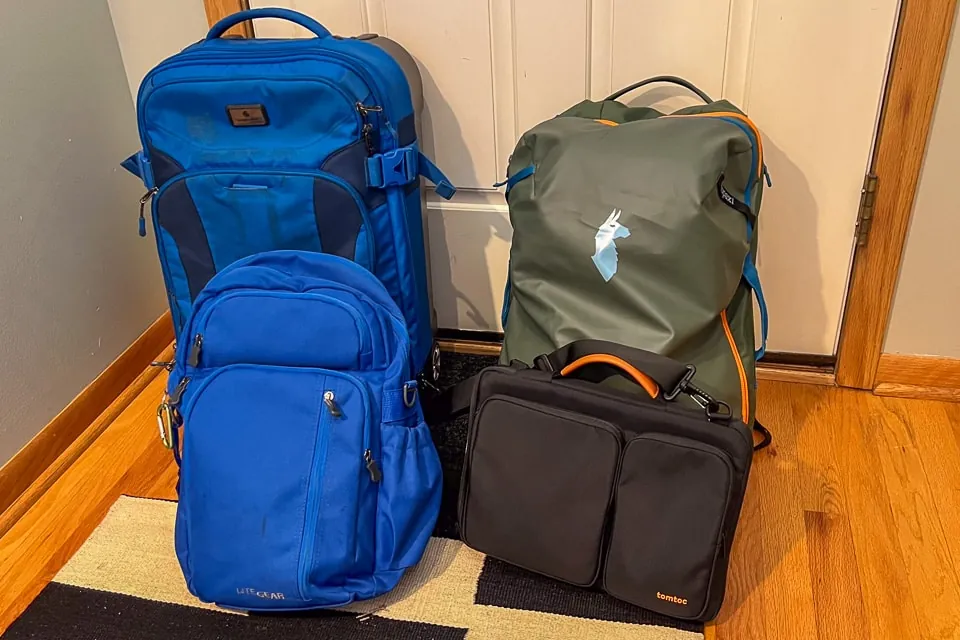
Photo: eumeworld.com on Google
Most airlines define your allowance as one “carry-on” and one “personal item.” The carry-on usually goes into the overhead bin, while the personal item stays at your feet.
| Airline type | Personal item allowance | Overhead bin access |
|---|---|---|
| Full-service carrier | Included | Included |
| Low-cost carrier | Included | Often costs extra |
| Basic economy fare | Included | Sometimes restricted |
| Regional flights | Included | Size limits apply |
| International long-haul | Included | Standard allowance |
If you’re flying on a “Basic Economy” ticket with carriers like United or American Airlines, you might be restricted to just one personal item. Always verify your airline baggage policy on the official government portal to see if your specific fare class allows for overhead bin usage.
What determines your total allowance
The primary factor deciding if you can bring both bags is the specific fare class you purchased. While most airlines permit a personal item, some budget-friendly tickets strictly limit you to one bag that must fit under the seat. Size is the second factor; a backpack that’s too large to fit under the seat will be treated as your carry-on, meaning you can’t bring a second piece of luggage.
Weight also plays a role, though it’s less common for carry-on items than checked bags. If your backpack is packed with heavy electronics or liquids, it may be harder to maneuver during boarding. If you’re flying with a budget airline, you should pay for your overhead bin access online before reaching the gate; if you wait until you arrive at the airport, the fees are often significantly higher.
How to pack for two bags
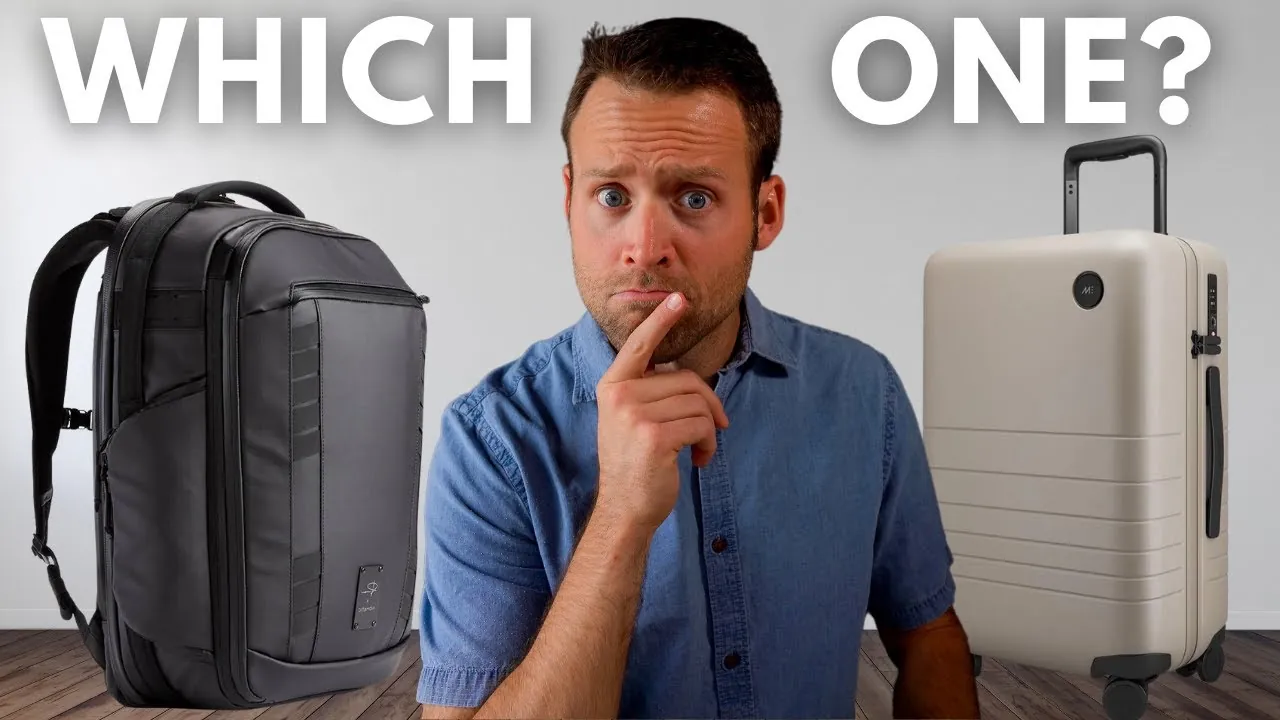
If you’re permitted two items, follow these steps to ensure you move through the airport quickly and avoid extra fees.
- Measure your backpack to ensure it’s no larger than 18 x 14 x 8 inches, which is the standard size for most under-seat storage.
- Pack your valuables like laptops, passports, and medicine inside the backpack so they stay with you at all times.
- Place heavy items in your carry-on luggage to keep your backpack light and easy to carry through the terminal.
- Use a luggage sleeve on your backpack if it has one, so you can slide it over the handle of your rolling suitcase.
- Check the weight of your carry-on to ensure it stays under 22 pounds, which is a common limit for international carriers.
The common mistake with bag sizes
People often make the mistake of assuming their backpack counts as a “small bag” regardless of its actual size. If your backpack is a large hiking pack, the gate agent will force you to check it as a piece of luggage. This costs you time at baggage claim and can result in significant “gate check” fees, which are often more expensive than the cost of checking a bag in advance depending on the airline. Always check your backpack dimensions against the airline’s website before leaving for the airport to avoid this unnecessary expense and delay.
When to stop and seek assistance
There are clear signs that you should stop trying to manage your luggage alone and speak with an airline representative.
- If your gear exceeds the airline’s total weight limit, you must pay for a checked bag.
- If your backpack contains restricted items like large liquid containers, you need to discard them at security.
- If you’re traveling with medical equipment, contact the airline in advance to clear it as an extra item.
These situations require professional guidance. If you’re uncertain about a specific item, ask the gate agent before boarding begins.
Frequently asked questions
Can I bring a purse and a backpack?
Yes, most airlines count a purse as your personal item. If you have both a carry-on suitcase and a backpack, you must put the purse inside the backpack to meet the “one personal item” rule.
Does a laptop bag count as a second bag?
Yes, a laptop bag is considered a personal item by almost every airline. If you already have a backpack and a carry-on, you must consolidate your laptop bag into the backpack.
What happens if my backpack is too big?
If your backpack exceeds the under-seat dimensions, the airline will require you to gate-check it. This often incurs a fee and means you’ll have to wait at the baggage claim carousel.
Is it safe to put my passport in my carry-on?
No, it isn’t recommended to put your passport in the overhead bin. Keep your passport and travel documents in your backpack so they’re accessible during the security and boarding process.
How long does it take to gate-check a bag?
It usually takes 5 to 10 minutes to process a gate check at the jet bridge. This is an estimate that assumes the flight isn’t already full and the gate agent has time.
Does the weight limit apply to both bags combined?
No, the weight limit usually applies to the carry-on bag specifically. However, some international airlines have a combined weight limit for all cabin baggage, so check your specific carrier’s rules.
Conclusion
Start by checking your boarding pass to see if you have “carry-on” privileges or only a “personal item.” You should expect to breeze through security if your backpack fits under the seat and your suitcase fits in the bin. Stop if your bags are too heavy to lift.