
Yes, you can take a backpack and hand luggage on most flights, provided the total number of items doesn’t exceed your airline’s specific allowance. You must confirm your ticket includes both a cabin bag and a personal item before you head to the airport.
Can you take a backpack as hand luggage
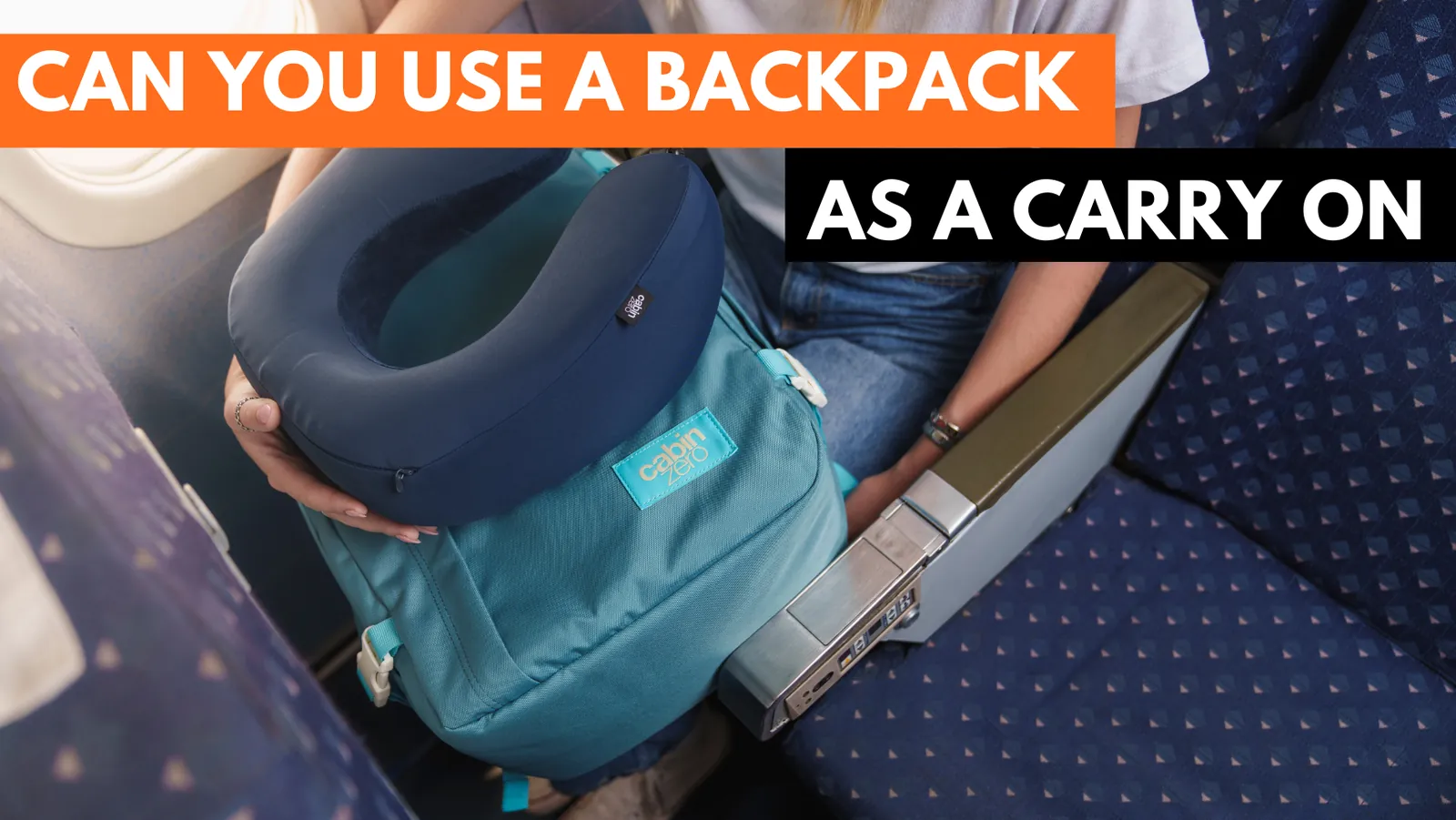
Most airlines allow one piece of overhead luggage and one smaller personal item, such as a backpack. However, your total limit depends on your fare class and the specific carrier policy.
| Your situation | Answer | Why |
|---|---|---|
| Basic economy fare | Usually no | Often limited to one personal item only |
| Standard economy fare | Yes | Includes one cabin bag and one personal item |
| Business or First | Yes | Higher allowance for premium tickets |
| Low-cost carrier | Sometimes | Extra fees apply for a second bag |
| Regional flight | Rarely | Smaller planes have limited overhead space |
| Full flight | Maybe | Gate-checking happens when space is full |
If your ticket only permits one item, you must pay for an upgrade or a checked bag to bring both. If you’re flying with a budget carrier, check your booking confirmation to see if you purchased a “two-bag” allowance.
What determines your bag allowance
The primary factor deciding if you can carry both items is your airline’s specific baggage policy. Airlines define a “personal item” as something that fits under the seat in front of you, while “hand luggage” or “cabin bags” go into the overhead bin. If your backpack fits under the seat, it’s usually counted as a personal item, leaving your overhead bin space for your carry-on suitcase.
Weight limits also vary significantly; some airlines enforce a total weight limit for all carry-on items combined, while others only care about size. You can find the Transportation Security Administration carry-on guidelines on their official website to ensure your items are permitted. If you’re unsure of your specific allowance, check your airline’s official mobile app or booking receipt.
If your total bag count exceeds the allowance, then you must pay; if you have pre-paid for extra bags, then you’re safe to proceed.
How to manage your carry-on items
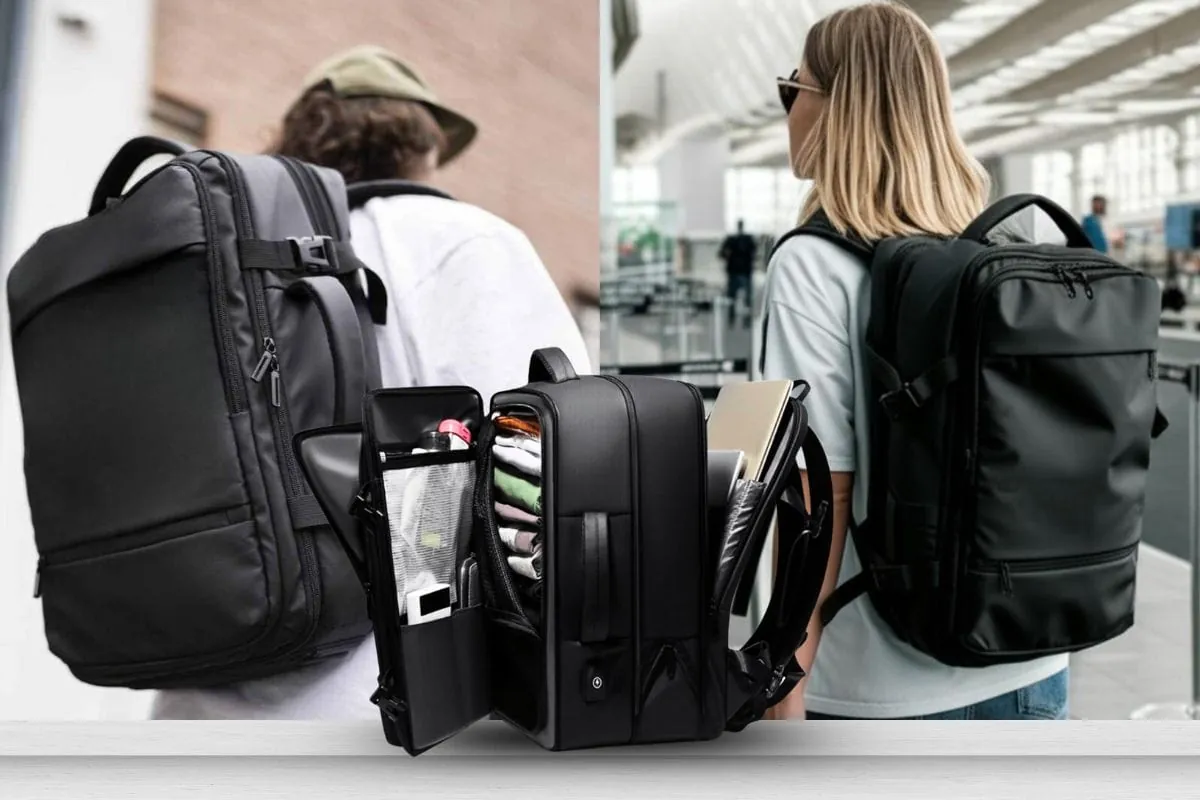
If you have confirmed that your ticket allows for both a backpack and a cabin bag, follow these steps to ensure a smooth boarding process.
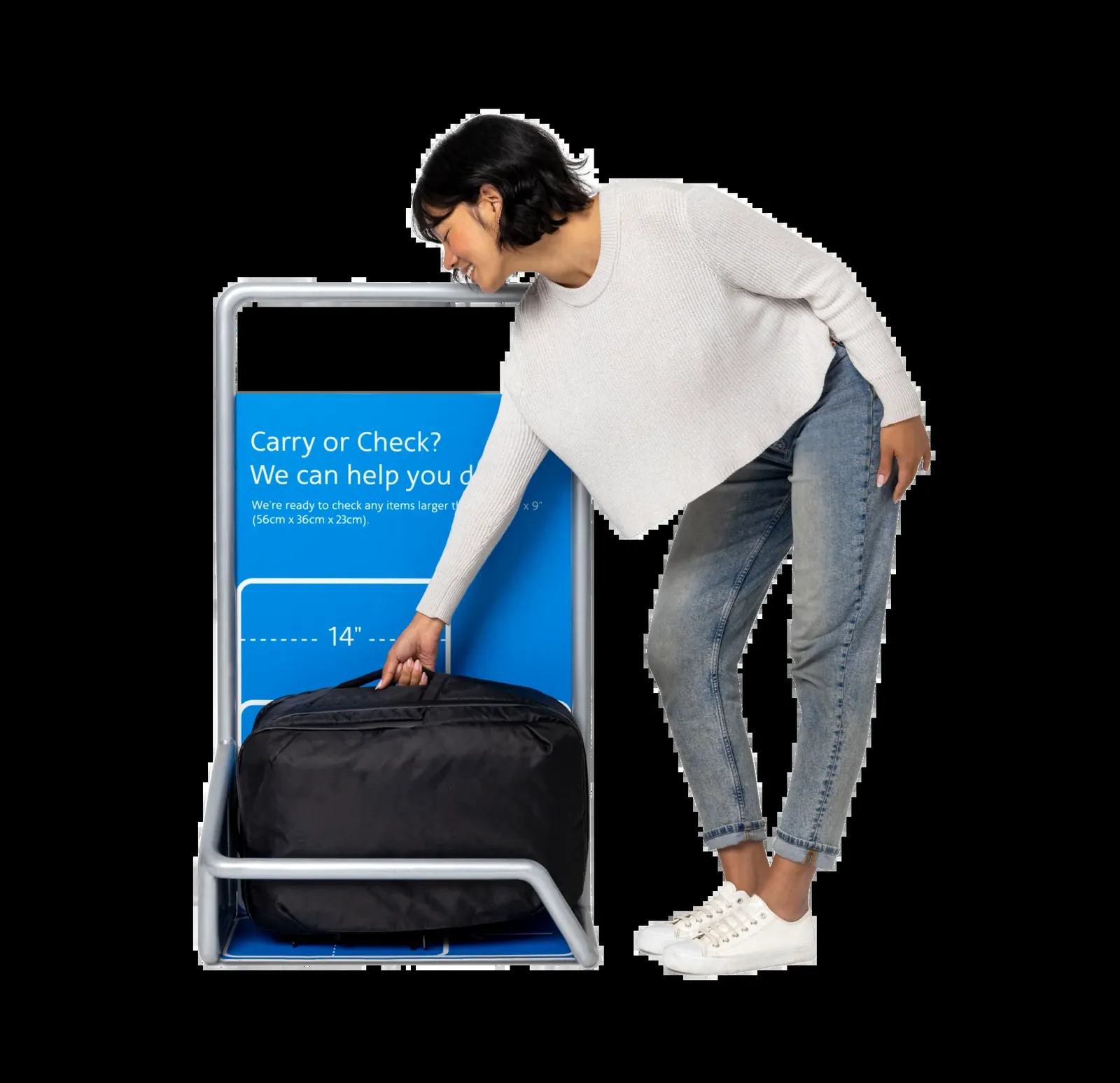
- Measure your backpack to ensure it fits under the seat in front of you. Most airlines require personal items to be roughly 18 x 14 x 8 inches.
- Pack heavy electronics in your backpack so they’re easily accessible for security screening. You’ll know this step worked when you can remove your laptop in under 30 seconds.
- Keep essentials in the backpack such as medicine, chargers, and travel documents. This prevents you from needing to open your overhead bag during the flight.
- Attach the backpack to your cabin bag handle if your luggage has a trolley sleeve. This makes moving through the terminal much easier.
- Check the bin space before boarding if the flight is full. You should be ready to gate-check your larger cabin bag if the flight crew requests it.
The mistake people make
The most common mistake is assuming that “hand luggage” includes every bag you carry. People often ignore the personal item size limit, which leads to them paying unexpected gate fees when their backpack is too large to fit under the seat. These fees can be quite costly compared to the price of a standard ticket depending on the airline. To avoid this, always measure your backpack while it’s fully packed. If it looks bulky, it’s likely too big to count as a personal item, and you may be forced to pay for it as a carry-on.
When to seek airline assistance
- If your items exceed the total weight limit set by the airline, you must speak with a check-in agent.
- If you’re traveling with a medical device that needs special stowage, inform the airline 48 hours before departure.
- If you have a connecting flight on a different airline, you must verify the rules for both carriers.
- If your bags contain restricted liquids or sharp objects, you must visit the security desk for guidance.
Frequently asked questions
Can I take a backpack as my personal item?
Yes, you can take a backpack as a personal item if it fits under the seat in front of you. Most airlines define this as a bag smaller than 18 x 14 x 8 inches.
What happens if my backpack is too big?
Your backpack will be treated as a second cabin bag, and you may have to pay a fee if you exceed your ticket’s allowance. Check your booking to see if you have pre-paid for two items.
Does the weight limit apply to both bags combined?
Yes, many airlines apply a total weight limit to all carry-on items combined. Check your airline’s specific baggage policy page to see if your total weight must stay under 15 to 22 pounds.
Is it safe to put my laptop in my backpack?
Yes, it’s safe to keep your laptop in your backpack provided it’s well-padded. You must remove it from the bag during security screening at most international airports.
How long does it take to board with two bags?
Boarding with two bags usually takes the same amount of time as one, provided your backpack fits under the seat. Keep your belongings organized to avoid blocking the aisle during boarding.
Does it matter if I am in a middle seat?
It doesn’t matter, but you’ll have less legroom if you keep a large backpack under the seat. Ensure your backpack is flexible enough to squeeze into smaller spaces.
Can I carry a purse and a backpack?
You can carry both only if one of them is small enough to fit inside the other. Otherwise, the airline will count them as two separate pieces of luggage.
Conclusion
Start by checking your airline’s official baggage policy on your booking confirmation to see your specific allowance. You should expect a smooth boarding process if both bags meet the size requirements. If you can’t fit your backpack under the seat, you must ask the gate agent for help.