
Yes, you can bring one. Airlines treat any bag by its measurements, so whether a backpack is allowed as a carry on depends entirely on its packed size fitting the overhead bin. If it measures over 22 inches tall, you must check it. Measure its length, width, and depth right now.
Airline rules for carrying a backpack
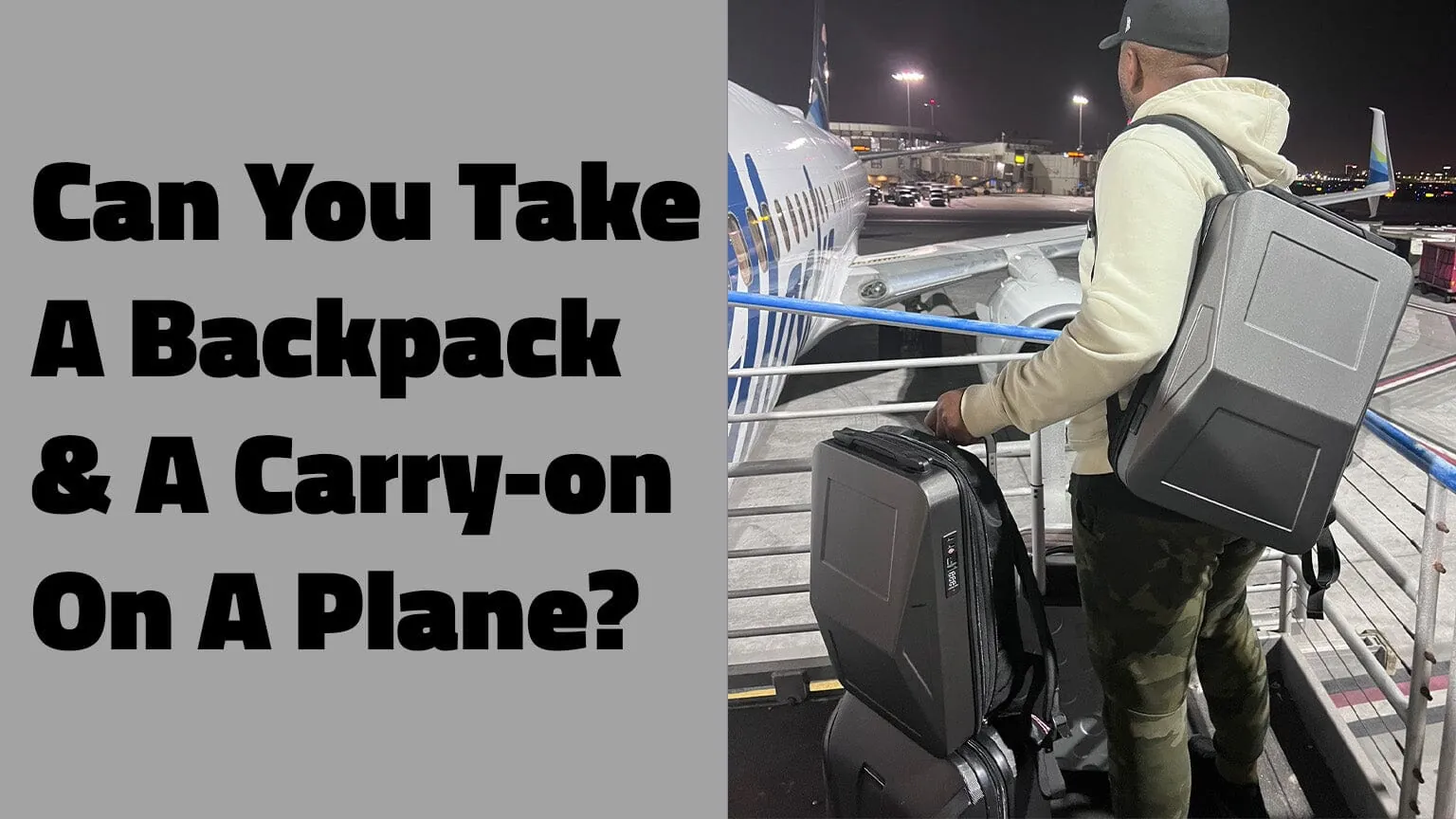
Every airline sets rules using bag dimensions rather than the style of bag you carry. A soft daypack easily passes as an overhead bag on every major carrier, while a tall hiking pack with an internal frame will usually be turned away at the boarding gate.
| Your situation | Answer | Why |
|---|---|---|
| Standard 30L school backpack | Yes | Fits under seat or overhead |
| 40L travel pack under 22 inches | Yes | Meets overhead bin size limits |
| 65L hiking frame pack | No | Exceeds maximum 22-inch length limit |
| Basic Economy ticket on United | No | Ticket allows personal item only |
| Flying major airline with rolling suitcase | Yes | Backpack counts as personal item |
| Regional jet with small overhead bins | Yes, but | Must gate-check if bins fill |
Backpack dimensions and ticket limits
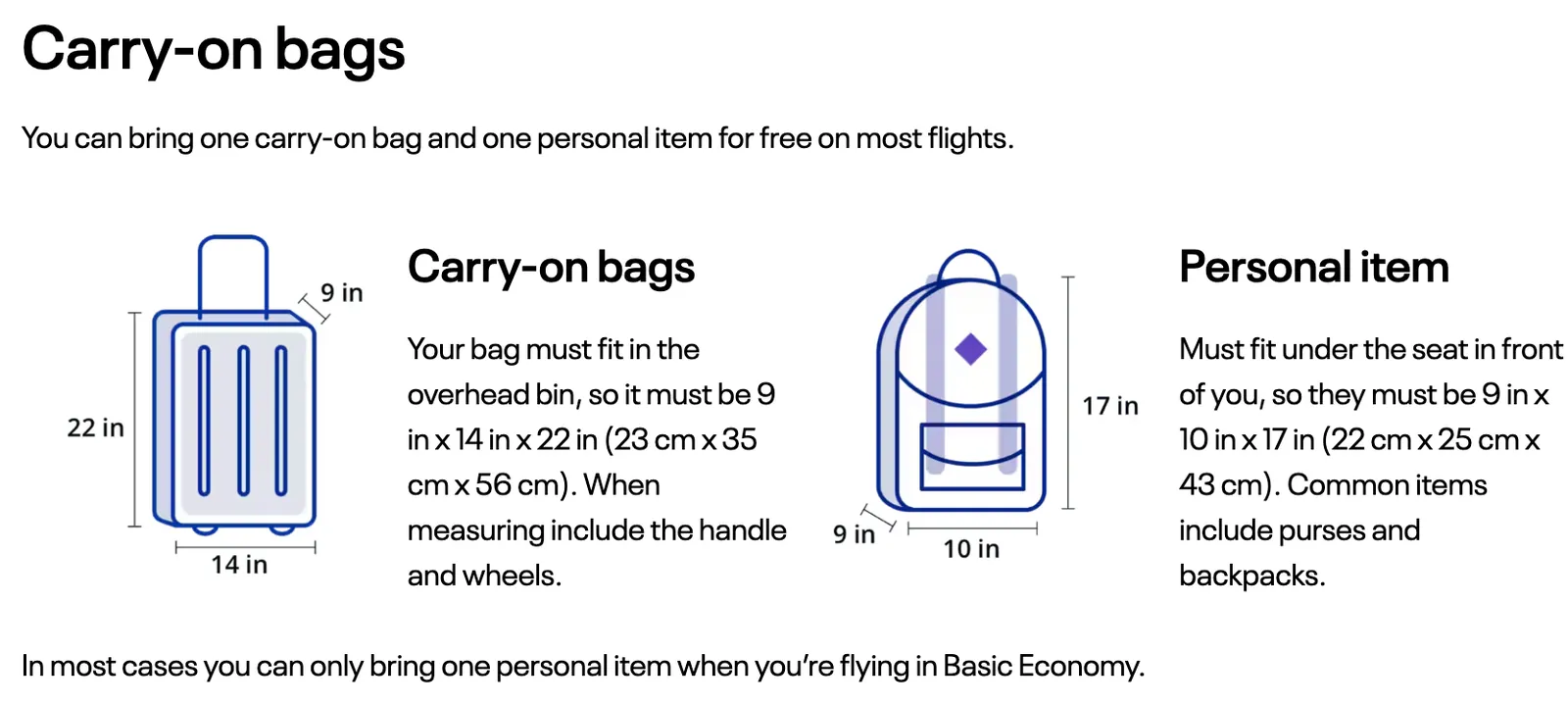
The physical size of your bag and your ticket class decide the outcome every time. Major US airlines like Delta, American, and United set a standard overhead bin limit of 22 x 14 x 9 inches, including all handles, wheels, and external pockets. When your backpack stays inside these numbers, the airline accepts it as a regular overhead bag without extra fees.
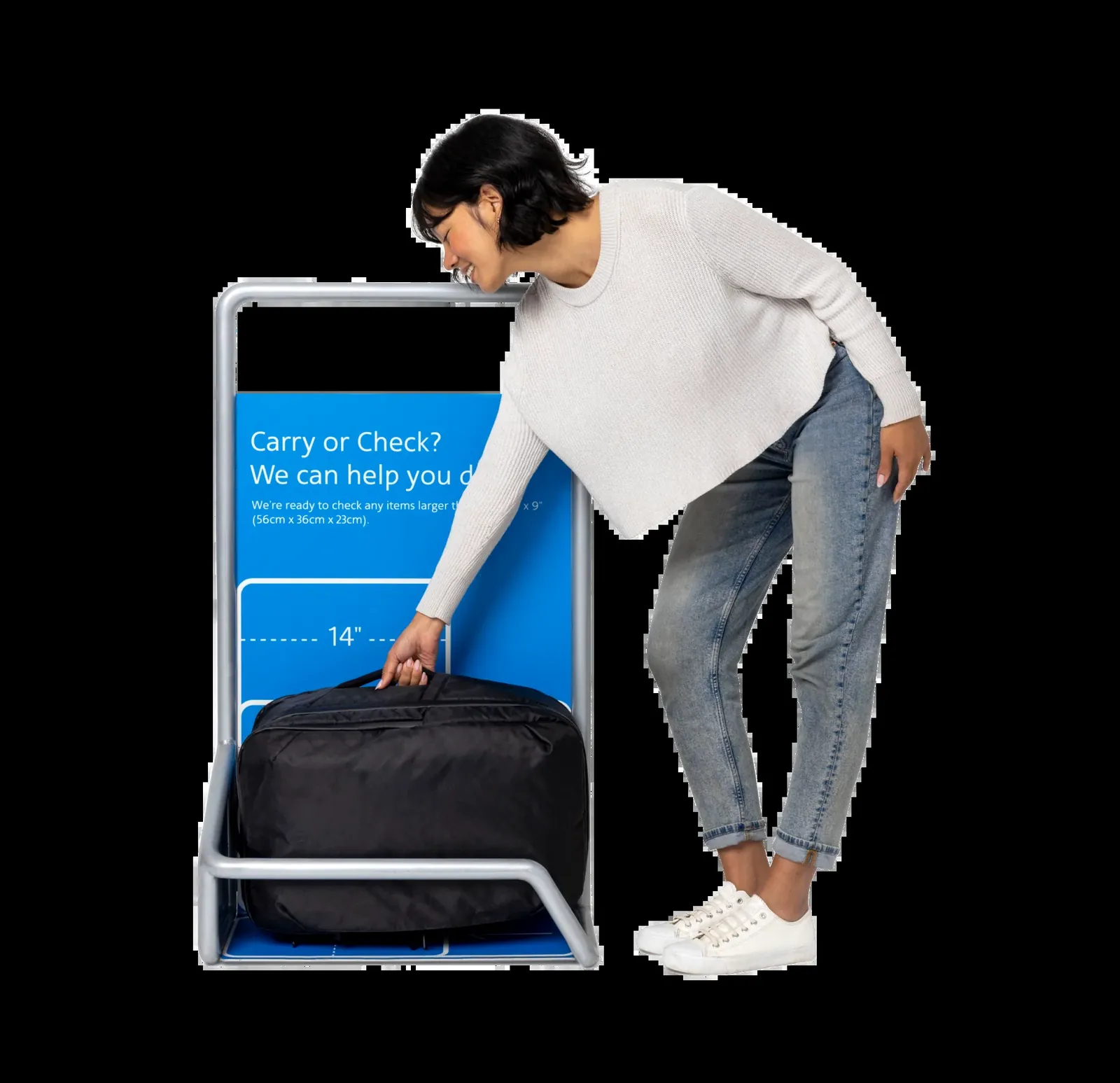
The honest limit comes down to the frame sheet inside the bag, which you can measure directly along the back panel with a tape measure. A soft bag can squash down into an airport sizing box, but a rigid metal or plastic internal frame won’t bend.
The ticket type also dictates your allowance. For example, the FAA baggage guidelines require airlines to safely secure all bags, which is why gate agents stop oversized packs. If your bag fits inside the airline sizing box, then take it aboard; if it sticks out past the edges, then plan to check it.
Taking a backpack through the gate
A smooth boarding process depends on how you pack and handle your bag before reaching the gate agent. If your bag fits the limits, prepare it early so staff can see it meets overhead standards.
- Measure the packed pack with a tape measure from the bottom seam to the highest point of the top handle.
- Tighten all compression straps to pull the fabric close to your gear and eliminate bulk.
- Tuck loose hanging webbing into elastic keepers so straps don’t catch in machinery or snag on seats.
- Remove heavy laptops and liquids to place them in an outer compartment for quick security screening.
- Carry it by the top handle when walking past the gate agent to keep it looking compact.
This approach isn’t for wilderness trekkers carrying framed packs over 55 liters, because those tall frames will never fit sideways in an airplane bin. The trade-off for carrying a large backpack instead of a hardshell suitcase is better mobility on city stairs, but you sacrifice outer shell protection for breakable items inside.
The common overpacking mistake
Stuffing the outside pockets until the seams stretch is where travelers ruin their carry-on plans. A pack might measure 8 inches deep when empty, but front organizers, water bottles, and jackets can push that depth past 12 inches.
This error costs you an expensive gate-check fee on airlines that charge for luggage at the gate, plus the time spent waiting at the baggage carousel after landing. Check the depth with a ruler after packing: if the middle bulges wider than 9 inches, take gear out.
Limits that require checked baggage
Some packs can’t fly in the cabin under any circumstances. You must stop packing for the cabin and pay for a checked bag when:
- The pack has an external aluminum frame that can’t fit inside the 22-inch metal sizer box at the airport.
- You carry outdoor gear like trekking poles, tent stakes, or utility knives, which airport security agents confiscate from cabin bags.
- The bag holds more than 50 liters of gear, because that volume always exceeds standard overhead dimensions.
Airline ground staff and baggage handlers take care of these items in the cargo hold.
Frequently asked questions
Can a backpack count as a personal item?
Yes. A standard backpack under 18 x 14 x 8 inches counts as a personal item if it fits completely beneath the seat in front of you on regular commercial flights.
How big of a backpack is allowed as a carry on?
A pack up to 45 liters generally works, assuming its exterior dimensions don’t exceed 22 x 14 x 9 inches when packed full.
Does airline gate staff weigh carry on backpacks?
Usually not in the United States, but international carriers frequently enforce an 11-pound to 18-pound weight limit at check-in desks.
What happens if my backpack is too big at the gate?
The gate agent charges you the standard checked bag fee, tags the pack, and sends it down to the plane cargo hold.
Can I bring a backpack and a rolling suitcase?
Yes, on standard tickets. The rolling suitcase goes in the overhead bin, and your backpack must fit under the seat in front of you.
Is a 40L backpack too big for carry on?
No, most 40-liter travel packs are designed specifically at 21 to 22 inches tall to match maximum domestic overhead bin rules.
Can I carry tent poles inside my carry on pack?
No, the Transportation Security Administration prohibits tent stakes and poles in carry-on bags; you must check the bag.
Backpack packing and departure checks
Measure your fully packed backpack right now from base to top handle using a rigid tape measure. If the bag stays under 22 inches long and 9 inches deep, you can board without issues. The moment your pack’s rigid frame measures 23 inches or longer, stop packing it for the cabin and pay for a checked bag online to avoid higher airport fees.