
As an Amazon Associate, we earn from qualifying purchases. This post contains affiliate links – if you buy through them, we may earn a commission at no extra cost to you.
Finding the best backpack for backpacking isn’t about picking the one with the most features, but finding the right balance for your specific body and trip length. You must consider your torso length, the total weight you plan to carry, and whether you prioritize ventilation or raw storage capacity. Some packs are built for ultralight speed, while others focus on heavy-duty stability for longer, gear-intensive treks. If you’re a beginner, the Osprey Rook 65 is a common starting point, whereas experienced hikers often lean toward the Osprey Atmos AG 65 for its suspension system.
1. Osprey Atmos AG 65L Men’s Backpacking Backpack
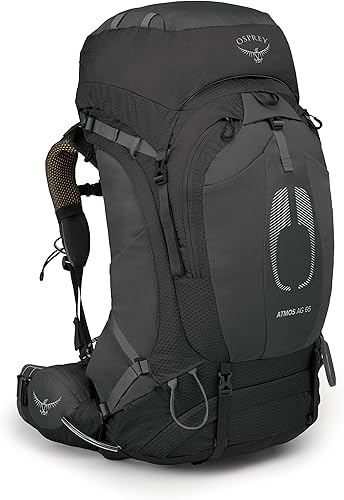
Best for: Someone who wants maximum comfort during long, multi-day excursions.
This pack is built for those who prioritize load distribution on long trails. The Anti-Gravity suspension system aims to keep the weight off your shoulders, which is helpful when carrying heavy gear over uneven ground for many hours.
It includes a raincover made with PFAS-free DWR and bluesign approved materials. The floating top lid provides extra lash points for gear, while the zippered sleeping bag compartment features a removable divider to keep your sleep system organized.
Good if:
- You want a suspension system that feels balanced.
- You need a dedicated sleeping bag compartment.
- You prefer having an included raincover.
Skip it if:
- You’re looking for the lowest possible pack weight.
- You find complex suspension systems too bulky for your needs.
2. Osprey Exos 58
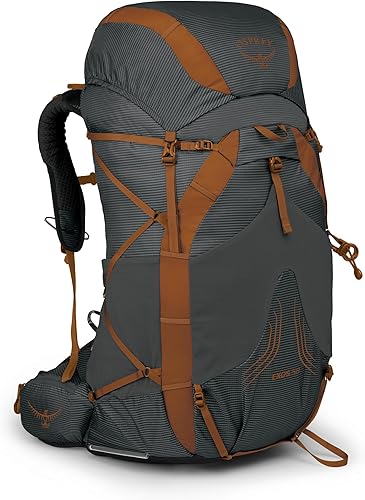
Best for: Hikers who want to shed weight without losing essential features.
This is an ultralight option designed for efficiency. It uses an injection-molded ladder system that provides 4 inches of torso adjustability, allowing you to fine-tune the fit as you move.
The pack focuses on durability through its strong backpanel mesh and main body fabrics. You get hipbelt pockets for quick access to snacks or navigation tools, and the floating lid is removable if you need to shave off extra ounces.
Good if:
- You prioritize a lightweight carry.
- You need adjustable torso length.
- You want easy-access hipbelt pockets.
Skip it if:
- You carry very heavy or bulky specialized equipment.
- You prefer a more traditional, rigid frame design.
3. Kelty Coyote 60-105L

Best for: Hikers who need to adjust their capacity for different trip types.
The Coyote acts as a flagship trekking pack, using an advanced perimeter frame to maintain stability. The Fit Pro technology allows for quick torso adjustments on the fly, which is helpful if you’re sharing the pack or changing layers.
The Amp Flow ventilated back panel is designed to keep you cool during long hauls. It features signature wing pockets and a large J-zip access point, making it easier to reach items buried deep in the main compartment.
Good if:
- You need a highly adjustable torso fit.
- You want a wide range of storage options.
- You prefer a pack with solid ventilation.
Skip it if:
- You prefer a simpler, less feature-heavy design.
- You don’t need the extra volume of a larger pack.
4. Osprey Rook 65L Men’s Backpacking Backpack

Best for: A first-time backpacker looking for a straightforward, reliable solution.
This pack focuses on simplicity. The tensioned backpanel provides ventilation to reduce sweat, while the LightWire frame transfers weight to your hips to protect your shoulders.
It comes with an integrated, removable raincover stored in its own pocket. The sleeping bag compartment includes a floating divider, and the pack is compatible with Daylite accessories if you need a smaller bag for side trips.
Good if:
- You want a simple, no-nonsense setup.
- You need an integrated raincover.
- You’re new to backpacking and want an intuitive fit.
Skip it if:
- You require advanced technical features for specialized climbing.
- You want a more customized, high-end suspension system.
5. The North Face Terra 55

Best for: Those who need a technical, multi-day pack with easy gear access.
The Terra 55 is designed for versatility. It features a full-length U-zip that lets you open the bag from the top, sides, or bottom. This makes it easy to grab gear without emptying the entire pack.
It comes with hiking pole and ice axe attachments, making it a solid choice for technical terrain. The padded back panel and hipbelt are optimized for breathability, and you can remove the frame sheet if you want to save weight on shorter trips.
Good if:
- You want quick access to your gear.
- You need attachments for poles or ice axes.
- You prefer a pack with a removable frame sheet.
Skip it if:
- You need more than 57 liters of capacity.
- You prefer a larger, dedicated sleeping bag compartment.
6. Teton 65L Explorer Internal Frame Backpack

Best for: Hikers who want a feature-rich, adjustable pack.
The Explorer 65L is designed to fit a wide range of users through its multi-position torso adjustment. It features an open-cell foam lumbar pad and molded channels to encourage airflow.
It includes a large sleeping bag compartment and various compression straps to keep your load balanced. The manufacturer also emphasizes their support team for any questions or concerns regarding the setup.
Good if:
- You need a high degree of torso adjustability.
- You want plenty of pockets for organization.
- You prefer an internal frame design.
Skip it if:
- You want the lightest possible fabric construction.
- You’re looking for a highly minimalist aesthetic.
7. Naturehike 65L Internal Frame Hiking Backpack

Best for: Someone who wants a lightweight, multi-purpose rucksack.
This pack is built from 420D nylon, which offers a balance of durability and water-repellent performance. It features a mesh back cushion designed to prevent stuffiness during long treks.
It has a 60L+5L capacity, providing extra room for tent stays or long-term travel. The compression straps on the top and sides allow you to secure trekking poles or sleeping bags firmly.
Good if:
- You want a pack that handles up to 15kg.
- You need a separate shoe storage pocket.
- You prefer a lightweight, compact design.
Skip it if:
- You need a pack that’s completely waterproof.
- You carry extremely heavy, dense loads frequently.
8. High Sierra Pathway 2.0 Backpack with Hydration Storage Sleeve
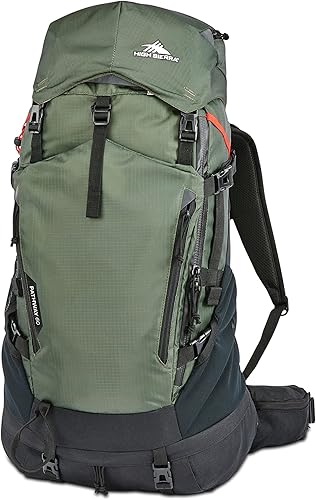
Best for: Hikers who rely heavily on hydration systems.
This pack is built with an internal hydration sleeve that includes a Velcro hangar and a dedicated hose port. It even comes with a hydration bladder and hose included, which is rare.
The EVA molded back panel provides ergonomic comfort, while the internal sleeve can double as a laptop compartment for travel. It has multiple exterior pockets, including a stretch mesh side pocket for large water bottles.
Good if:
- You want a hydration bladder included.
- You need the flexibility to carry a laptop.
- You want a water-repellent exterior coating.
Skip it if:
- You don’t use hydration bladders.
- You need a larger capacity than 60 liters.
9. Kelty Asher 65L
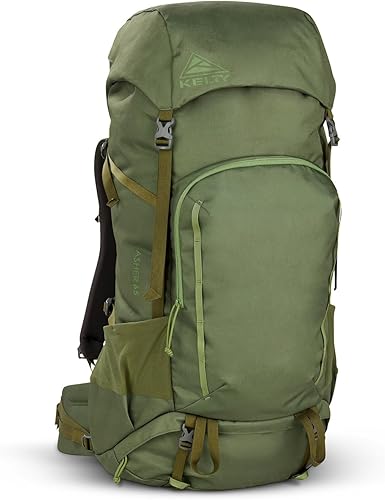
Best for: A hiker who wants professional-grade specs.
It features the same Fit Pro torso adjustment technology as the flagship models, allowing for a quick, customized fit.
It includes an advanced perimeter frame with an aluminum stay to keep the load balanced. The Amp Flow back panel is designed to keep you cool, and it’s fully hydration compatible for long days on the trail.
Good if:
- You need a wide range of torso adjustment.
- You prefer a well-ventilated back panel.
Skip it if:
- You want a wider variety of specialized external pockets.
- You prefer a more premium, high-denier fabric feel.
10. Mardingtop 75L Molle Hiking Internal Frame Backpacks
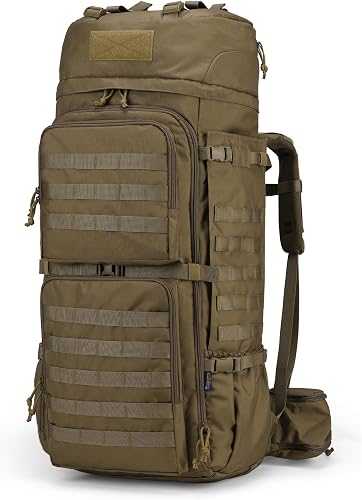
Best for: Hikers who need the highest capacity and modularity.
This is a tactical-style pack made from 600D polyester. The MOLLE webbing system allows you to attach extra gear like tents, sleeping bags, or tools to the exterior of the pack.
It features a large front-zippered access that allows the pack to open like a suitcase. It’s compatible with a 3-liter hydration bladder and is designed to handle the weight of heavy multi-day loads.
Good if:
- You need maximum storage volume.
- You want to customize your pack with extra gear.
- You prefer suitcase-style main compartment access.
Skip it if:
- You prefer a lightweight, minimalist hiking design.
- You find extra webbing straps and pockets distracting.
Choosing the Best Backpack for Backpacking
Most of these packs overlap in their core mission: providing a stable way to carry heavy gear over long distances. The Osprey Atmos AG 65 and the Kelty Asher 65L, for instance, both emphasize ventilation and frame stability, though the Atmos AG focuses more on its signature suspension comfort. Meanwhile, the Teton Explorer 65L and Mardingtop 75L offer high capacity for those who carry more gear, yet they differ significantly in their design philosophy; the Teton is a traditional hiker’s pack, while the Mardingtop leans into tactical modularity. If you’re choosing between the Osprey Rook 65 and the Osprey Exos 58, the main trade-off is weight versus simplicity.
Still Not Sure?
How often will I really use it?
If you only head out once or twice a year, you don’t need a complex suspension system. A reliable, simple pack like the Osprey Rook 65 will serve you well without unnecessary complexity. It offers the basic features required for a successful trip without demanding a large investment of your time.
What do I already own that this has to work with?
Think about your current sleeping bag and tent. If you have bulky, entry-level gear, you need the extra volume of the Kelty Coyote 60-105L or the Mardingtop 75L. A smaller, ultralight pack like the Osprey Exos 58 might leave you struggling to fit all your items inside.
What am I most likely to regret choosing?
Regret usually comes from a poor fit. If you’re between sizes or have a unique torso length, you’ll regret buying a non-adjustable pack. Instead, choose a model with advanced fit technology, such as the Kelty Asher 65L, which allows you to adjust the torso length while you’re on the trail.
For more information on the standards for outdoor gear, you can review the American Hiking Society guidelines for selecting a pack that matches your personal fitness and trail requirements.
Choose the Osprey Atmos AG 65 if you value long-term comfort and suspension, or the Kelty Asher 65L if you want a versatile, adjustable fit for your first big trip. Check the links provided to see current availability and ensure the model matches your specific torso measurements before you head out.
Frequently Asked Questions
What does it ask of its owner week to week?
You should inspect your pack after every trip, specifically checking the zippers for trail grit and ensuring the compression straps aren’t frayed. A quick wipe-down of the frame and mesh back panel helps keep the ventilation system working correctly, preventing salt and sweat buildup that can affect the fabric over time.
What has to be replaced to keep it working?
Most modern packs require very little replacement, but you should keep an eye on the raincover and the hydration hose. If you use a bladder, the bite valve often needs replacing after a few seasons of heavy use. Otherwise, the frame and fabric are designed to last for many years of regular trail use.
What happens when it’s outgrown or used up?
If you find your pack is too small, you can often sell it to other beginners who need a starter kit. If the frame or suspension eventually wears out, many manufacturers offer repair services for buckles and straps, which can extend the life of your gear significantly beyond its first few years of service.
Would the more capable one on this list have suited me better?
If you find yourself constantly struggling to strap gear to the outside of your bag, you likely should have chosen a higher-capacity model like the Kelty Coyote or the Mardingtop 75L. A more capable pack offers more internal organization, which saves time and prevents you from losing small items on the trail.
Conclusion
Once you’ve narrowed down your choices, head to a local outdoor shop to try them on with actual weight inside. Don’t rush this part, as how the straps sit on your shoulders makes all the difference. You’ll be glad you took the extra time when you’re finally out on the trail.