
Yes, you can typically bring both a purse and a backpack on a plane, provided that your items comply with the airline’s specific baggage allowance policies regarding personal items and carry-on luggage. Most major carriers allow passengers to bring one standard carry-on bag and one smaller personal item into the cabin without extra fees. Because a purse is almost always considered a personal item, and a backpack can function as either a personal item or a carry-on depending on its size, you can usually combine them as long as the backpack fits under the seat in front of you.
Key Takeaways
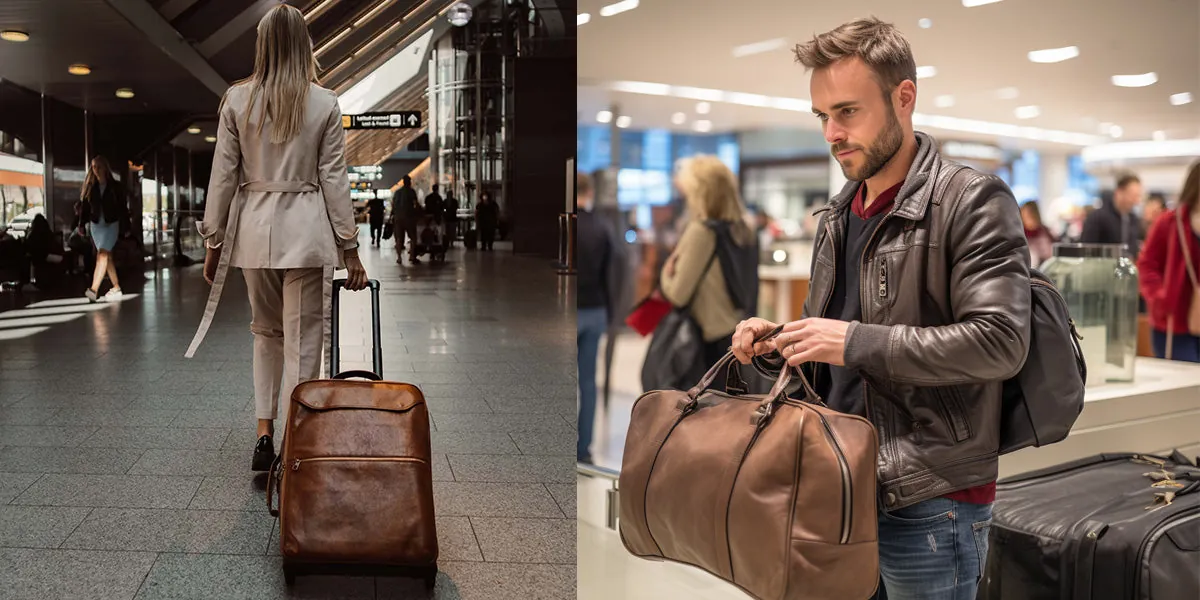
- Check your airline’s specific carry-on baggage size limits before arriving at the airport to ensure your backpack isn’t too large.
- Most airlines allow one personal item and one carry-on bag at no additional cost for standard economy tickets.
- Your purse will count as your personal item, so it must fit under the seat in front of you.
- If your backpack is large, it will count as your carry-on bag and must be stowed in the overhead bin.
- Budget airlines often charge higher fees for carry-on bags, so verify your fare class to avoid surprise costs.
Can I Bring A Purse And Backpack?
The ability to carry both items depends on how the airline classifies them. In the aviation industry, a “personal item” is defined as a bag that can fit completely under the seat in front of you. Common examples include purses, briefcases, laptop bags, and small backpacks. A “carry-on bag,” by contrast, is a larger piece of luggage intended for the overhead compartment. If your backpack is large, it occupies the carry-on slot, meaning your purse must be small enough to be considered a personal item. If both items are small, you can often bring both as long as one fits under the seat and the other is stowed properly.
Understanding Airline Baggage Policies
Every carrier has distinct rules regarding luggage, and these policies often change based on the ticket class you purchased. Basic economy fares frequently restrict passengers to only one personal item, meaning you would have to stuff your purse inside your backpack to count them as a single piece of luggage. Conversely, standard economy or business class tickets usually permit one personal item and one carry-on.
| Fare Type | Personal Item | Carry-On Bag |
|---|---|---|
| Basic Economy | Included | Usually Fee-Based |
| Standard Economy | Included | Included |
| Business/First Class | Included | Included |
How To Pack Your Items Efficiently
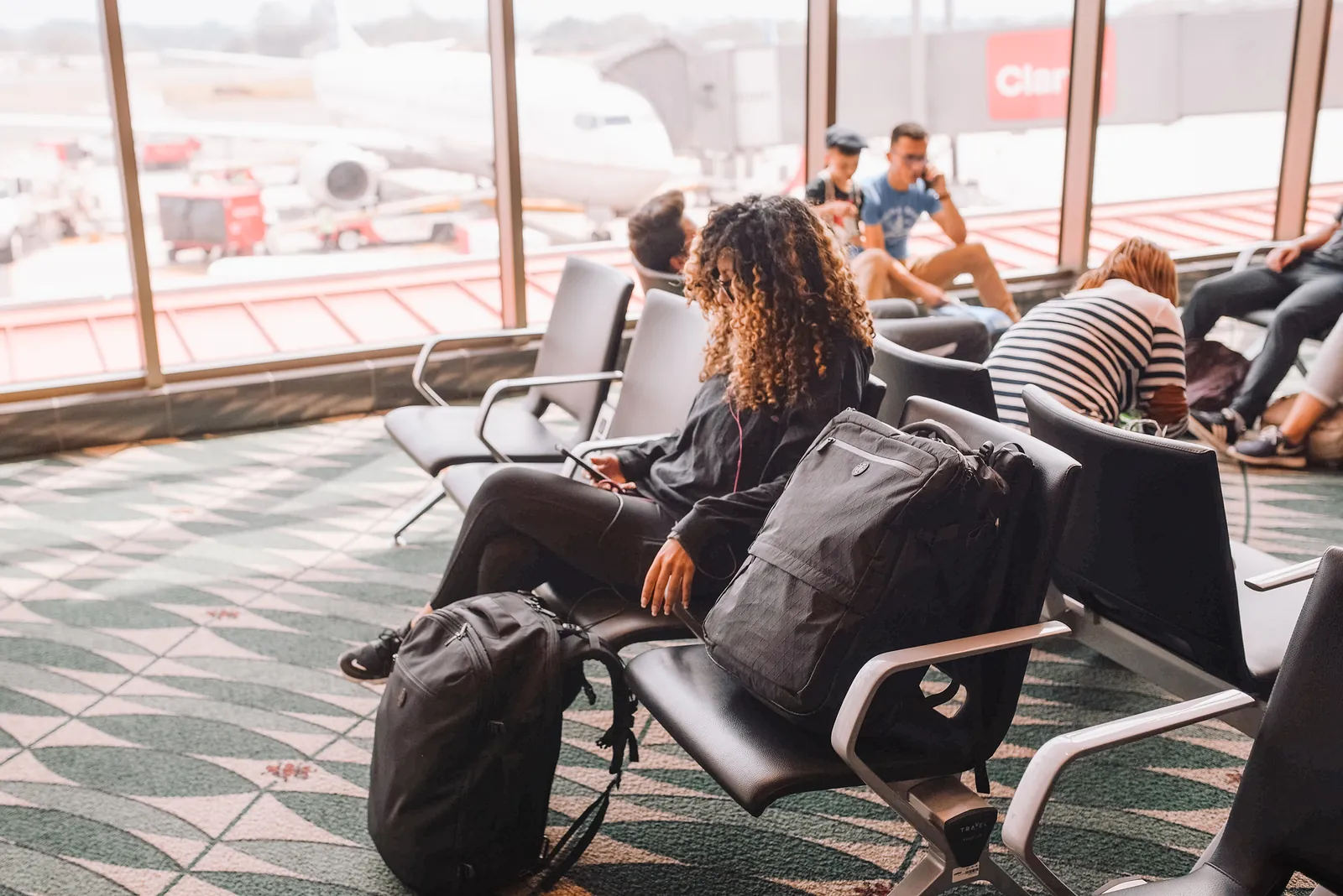
To maximize your space, place your smaller purse inside the backpack while walking through the boarding gate. Once you reach your seat, you can remove the purse and place the backpack in the overhead bin or under the seat. This space-saving strategy prevents gate agents from flagging you for having “too many bags.” If your backpack is already full, consider using a compression packing cube to shrink your clothing, leaving enough room to tuck the purse into a side pocket or the main compartment.
Is My Backpack A Carry-On?
A backpack is officially a carry-on if it exceeds the dimensions set by the airline for under-seat storage. Most airlines define the maximum size for a personal item as approximately 18 x 14 x 8 inches. If your backpack is larger than these dimensions, it must go in the overhead bin, which makes it a carry-on. If you’re traveling with both, ensure the purse is small enough to be held on your lap or placed under the seat, as you’re generally limited to two items total in the cabin.
Tips For Budget Airline Travel
When flying with low-cost carriers, every bag is scrutinized. These airlines often charge for overhead bin space, so you should aim to make your backpack your only piece of luggage. If you must carry a purse, ensure it’s a crossbody style that can be easily hidden under a jacket or inside your backpack while boarding. Always check the official baggage guidelines on the airline’s website before you leave for the airport, as some carriers have very strict weight limits for carry-on luggage.
| Strategy | Benefit | Risk |
|---|---|---|
| Nesting bags | Saves bag count | Can be heavy |
| Wearable layers | Reduces bulk | Can be hot |
| Soft-sided bags | Easier to squeeze | Less protection |
Troubleshooting Common Boarding Issues
Photo: dbjourney.com on Google
Warning: If a gate agent determines your bags exceed the limit, you may be forced to check your backpack at the gate, which can incur a high fee. If you’re worried, keep your valuable items, such as your passport, phone, and wallet, in your purse. This ensures that even if your backpack is checked, your essential travel documents remain with you. If you’re challenged at the gate, remain polite and explain that the purse is your personal item and the backpack is your carry-on.
Related guides
Frequently Asked Questions
Does a purse count as a personal item?
Yes, almost all airlines categorize a purse as a personal item. As long as it’s small enough to fit under the seat in front of you, it will be permitted in addition to your carry-on bag. If you have an oversized tote bag or a large designer purse, some strict agents may count it as a carry-on, so try to keep it compact.
Can I bring a laptop bag too?
Most airlines allow a laptop bag as a personal item. If you’re already bringing a purse and a backpack, you’ll likely exceed the two-bag limit. You should consolidate your laptop into your backpack to ensure you only have two distinct items. If your purse is small, you might be able to put it inside your laptop bag to comply with the rules.
What if I have a duty-free bag?
Many airlines permit a duty-free shopping bag in addition to your carry-on and personal item. However, this policy varies by carrier. Some budget airlines count all bags, including duty-free items, toward your total allowance. Always check the airline’s specific rules on their website if you plan to do heavy shopping at the airport, as you may be required to pack the bag inside your luggage.
Will my backpack fit under the seat?
Most standard-sized backpacks fit under the seat in front of you, provided they aren’t overstuffed. If your backpack is a large hiking pack or has a rigid frame, it will likely not fit and must be stowed in the overhead bin. If you choose to put it in the overhead bin, that backpack officially becomes your carry-on bag for the duration of the flight.
Can I bring a small backpack and a purse?
You can absolutely bring both if the airline allows a personal item and a carry-on. If the airline only allows one personal item, you must pack the purse inside the backpack to count them as one single bag. Regardless of the allowance, ensure that your combined items don’t exceed the total weight limit set by the airline, which is often around 15 to 20 pounds.
Before heading to the airport, double-check your airline’s specific baggage policy on their mobile app or website to confirm your exact allowance. If you’re still concerned about space, consider using a soft-sided backpack that can be easily compressed to fit under the seat. Safe travels and enjoy your trip with your organized luggage.