
Yes, but only if your airline ticket includes both a personal item and a standard carry-on bag. Whether you can bring a backpack and purse on a plane depends on your ticket class and bag sizes.
Bringing a backpack and purse on board
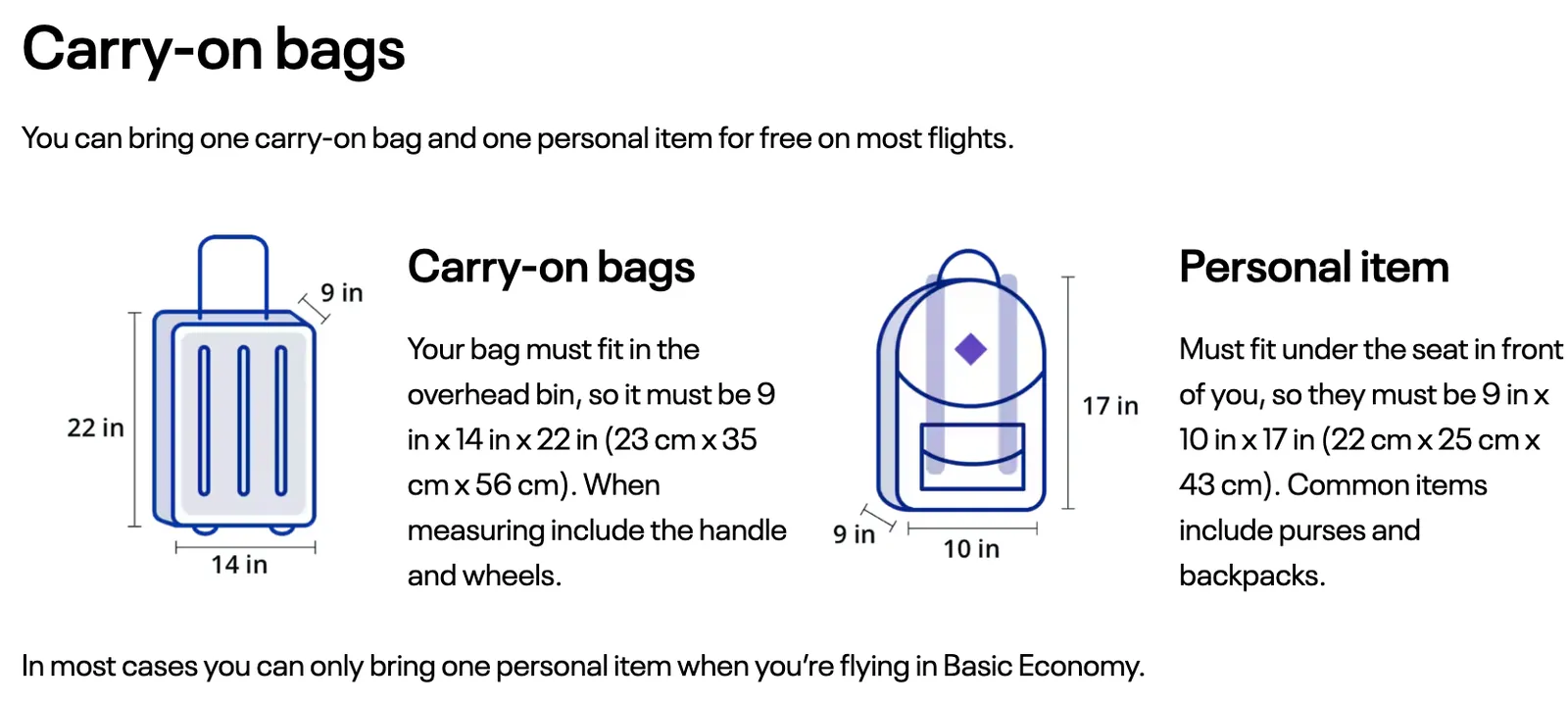
Your ticket rules determine whether two bags are allowed past the boarding gate without extra fees. Mainstream carriers treat a standard purse as a personal item and an average backpack as a carry-on, provided the sizes match their rules.
Budget carriers operate differently. Basic tickets on low-cost airlines allow only one personal item that fits completely beneath the seat in front of you. Carrying two separate pieces on these fares leads to gate fees unless you pack one inside the other.
| Your situation | Answer | Why |
|---|---|---|
| Standard economy on legacy US airlines | Yes | Ticket includes one carry-on and personal item |
| Basic Economy on United Airlines | No | Fare allows only one small personal item |
| Frontier or Spirit standard ticket | No | Low-cost fare covers one personal item only |
| Southwest Airlines any fare | Yes | Ticket includes one carry-on and personal item |
| Small purse placed inside backpack | Yes | Airline treats both as single personal item |
| Backpack exceeds overhead size limits | No | Oversized carry-on must be checked at gate |
Ticket class and bag dimensions
Your bag dimensions and fare class determine if you can carry both items. Airlines divide cabin luggage into overhead carry-ons and under-seat personal items. A regular purse usually measures well under 18 x 14 x 8 inches, so it qualifies as your personal item. A standard backpack usually measures around 22 x 14 x 9 inches, which fits the overhead bin allowance on full-service carriers.
According to the FAA baggage guidance, each passenger must follow airline limits on the number and size of carry-on items to keep cabin aisles and emergency exits clear. If your fare permits an overhead bag, the backpack goes up and the purse goes under your seat.
This creates a clear trade-off: you gain extra packing capacity in the cabin, but you lose your under-seat legroom during the flight. Size limits vary by aircraft type, listed on your flight itinerary.
Steps for carrying both bags successfully
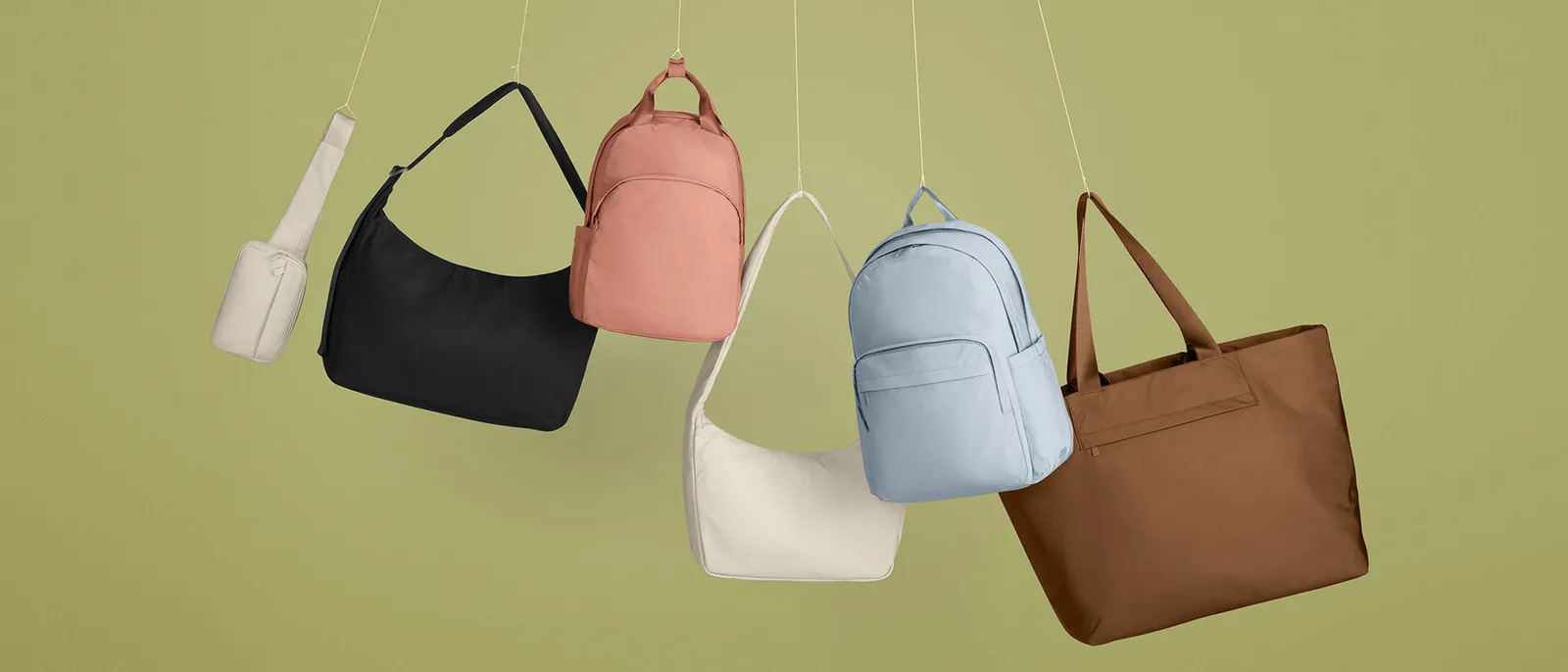
Carrying two bags requires careful packing and boarding strategy so airline gate agents don’t stop you. Follow these steps to board without delays:
- Check your ticket terms. Read your fare rules on the airline mobile app to confirm your carry-on allowance allows one overhead bag and one personal item. The boarding pass shows your boarding group and cabin baggage count.
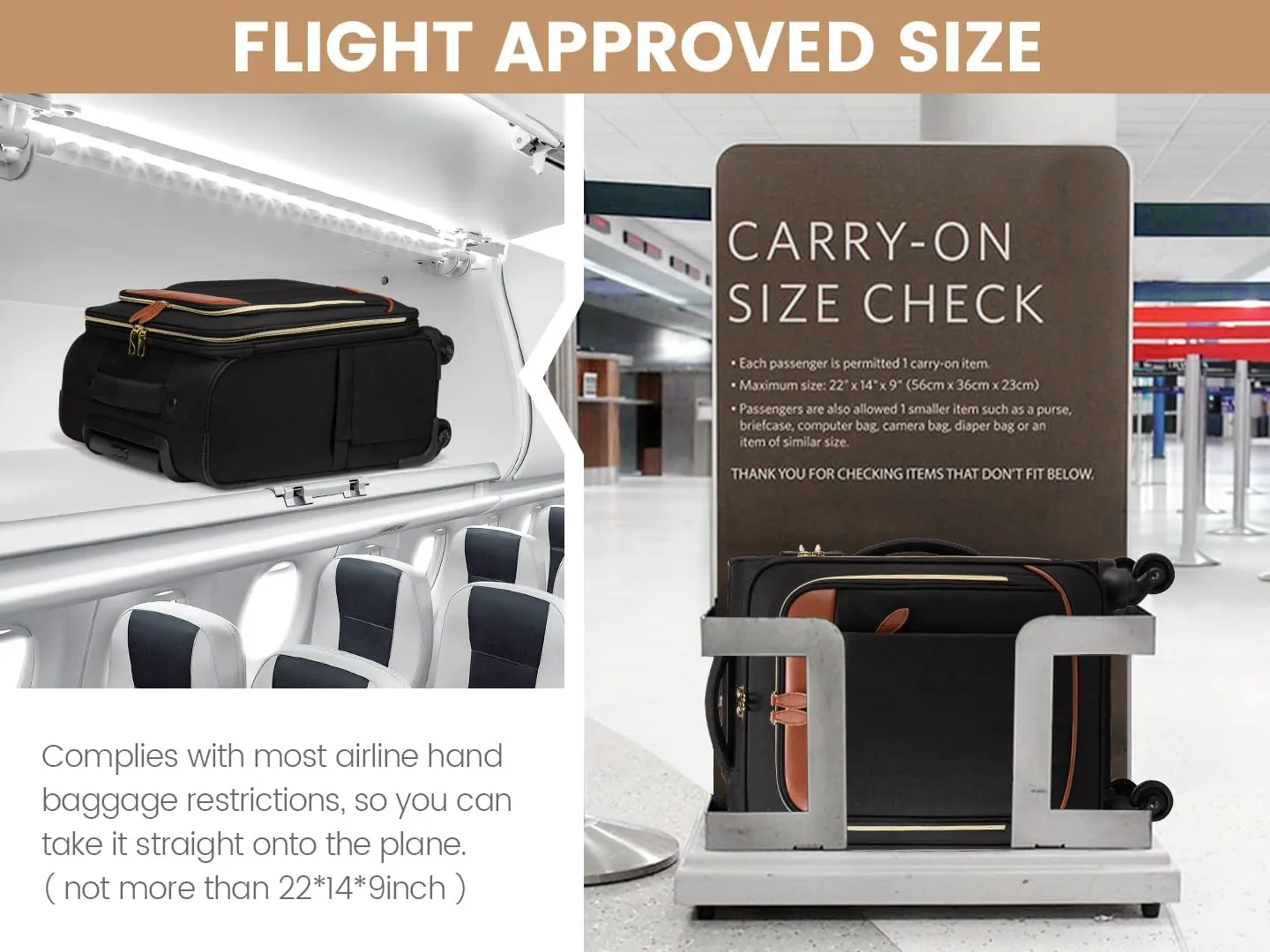
- Measure both packed bags. Use a tape measure on your backpack and purse after packing to verify they meet the dimensions listed on your carrier’s website. The bag will slide into the metal sizing box at the gate without force.
- Leave space in the backpack. Keep enough room in the main compartment of your backpack to slip your purse completely inside if required. You can pull the purse out again once you’re seated.
- Place heavy items in the purse. Put your phone, wallet, medications, and chargers in the purse for easy access under the seat. You can reach your essentials during the flight without opening the overhead bin.
- Board during your assigned group. Walk through the gate with your purse over your shoulder and your backpack in hand or on your back. The gate agent will scan your pass without asking you to consolidate.
Bringing two bags when not allowed
Travelers often make the mistake of carrying both a purse and a backpack on basic economy tickets. This mistake results in significant gate-check fees on airlines like Frontier, Spirit, or Allegiant. Gate staff count every separate handle and strap as a piece of luggage. To avoid this cost, place your purse inside the backpack before reaching the gate line, ensuring the zipper closes completely.
When an airline stops your bags
Gate agents stop travelers when bags don’t follow airline safety limits or ticket rules. This situation is no longer a do-it-yourself packing issue when:
- The flight is completely full, so flight attendants require all passengers in later boarding groups to gate-check overhead bags.
- The gate agent tests your backpack in the sizer and it won’t fit, requiring the agent to collect payment and print a cargo luggage tag.
- A bag contains prohibited liquids or batteries that gate staff must handle directly for safety reasons.
The gate agent handles these situations, and their call is final at the aircraft door.
Frequently asked questions
Can a backpack count as a personal item?
Yes, if it measures under 18 x 14 x 8 inches and fits completely under the passenger seat in front of you.
What happens if I bring two bags on Basic Economy?
You must pay a gate-check fee, and the agent will send your larger backpack into the cargo hold.
Does a small cross-body purse count as a bag?
Yes, every airline counts a small cross-body bag as one personal item the moment you pass the boarding gate.
Can I put both bags in the overhead bin?
No, airlines require you to place your personal item under the seat in front of you to save bin space for other travelers.
How big can my carry-on backpack be?
The limit is 22 x 14 x 9 inches on most major carriers, which matches the standard overhead bin capacity.
Is it safe to leave valuables in my overhead backpack?
No, keep cash, passports, jewelry, and expensive electronics inside your purse under your seat where you can watch them.
Checking your bags before boarding
Review your airline’s baggage limits online and measure both bags before leaving home. When your purse fits under your seat and your backpack fits the overhead bin, you’ll clear boarding smoothly. If your backpack can’t close or won’t fit the airline sizer, gate staff will check it into the plane’s cargo hold.