
What backpack is best for college? The best choice for most students is a 25-liter to 30-liter capacity bag with dedicated padded compartments for a laptop and books, depending on your specific course load and commute. You need a design that balances weight distribution with durable, water-resistant materials.
What backpack is best for college?
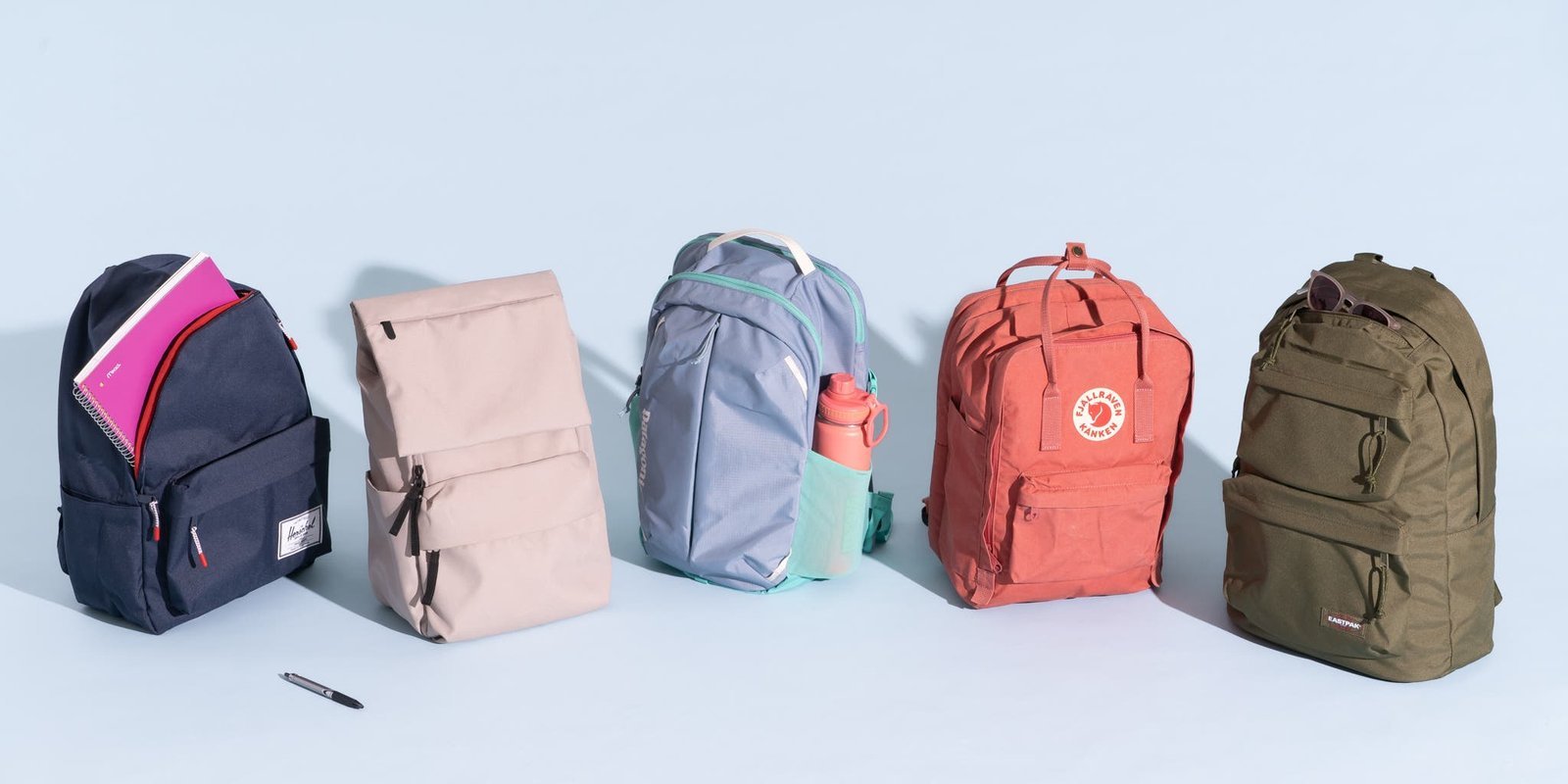
The key to a successful bag is the internal structure. A bag with too many pockets often leads to wasted space, while one with no organization makes finding your pens or chargers a daily chore. Focus on the back panel; it must have enough padding to keep hard edges of books from digging into your spine.
The most common mistake is choosing based purely on brand or style. You end up with a bag that looks great but hurts your shoulders after a ten-minute walk across campus.
Essential features for daily carry
- Select a bag with a dedicated laptop sleeve that sits close to the back panel to keep the center of gravity stable.
- Check the strap width; straps should be at least two inches wide and padded to prevent them from cutting into your shoulders.
- Ensure the zippers are heavy-duty, preferably YKK brand, as these take the most stress during daily opening and closing.
- Add a rain cover or choose a model made from high-denier polyester or nylon if you walk through heavy weather. Tip: If you carry more than 15 pounds of gear daily, look for a model with a sternum strap to shift weight toward your hips.
- Verify the bag fits your specific laptop dimensions, as the American Occupational Therapy Association recommendations suggest keeping the load under 10% of your body weight to avoid strain. Tip: This isn’t for students who only carry a tablet or a single notebook, as a large 30-liter bag will feel bulky and empty for light loads.
- Test the side pockets to see if they hold your water bottle securely without letting it tip over when you bend down.
How long it takes
The time to find the right bag varies by how much research you do into your own equipment needs.
| Situation | Time to Research | What changes it | What to watch for |
|---|---|---|---|
| Minimalist carry | 30 minutes | Number of devices | Laptop size limits |
| Heavy science major | 2 hours | Lab equipment needs | Straps and padding |
| Commuter student | 1 hour | Travel distance | Water resistance |
If your search takes longer than three hours, you’re likely overthinking the aesthetic choices rather than focusing on the physical fit; stop and prioritize the strap comfort.
How to tell when it’s done
You know you have the right bag when it passes the “loaded test.” Place your laptop, three thick textbooks, and your charger inside. Put it on and adjust the straps so the bottom of the bag sits at your waist, not below your hips. If the weight feels centered against your back and the straps don’t dig into your neck, it’s a good fit. If the bag pulls your shoulders backward, the straps are too long or the bag is too large for your torso length. This varies by model — check the label for torso size compatibility.
Mistakes that ruin it
- Ignoring torso length: A bag that’s too long will hit your lower back painfully, while one that’s too short will sit too high on your neck. Measure your torso from your C7 vertebrae to your iliac crest and match it to the bag’s specifications.
- Buying for the look: Choosing a fashion-first bag often means sacrificing the padding or the laptop protection you need. Always prioritize the frame and strap quality over the exterior color or aesthetic.
- Overloading the capacity: Even a great bag will fail if you pack it beyond its rated weight. If you must carry heavy gear, use a bag with an internal frame to help distribute the load across your hips.
Frequently asked questions

Can I use a hiking backpack for college?
Yes, you can, but it’s often overkill because hiking bags focus on hip belts and hydration bladders that you don’t need in a classroom. They’re excellent for heavy loads, but the tall, narrow shape can make it hard to reach your books while sitting in a tight desk.
Why do my shoulders hurt with my current bag?
Your shoulders hurt because your bag is likely sitting too low on your back, which pulls your posture forward and strains your muscles. Tighten the shoulder straps until the bag sits high against your upper back, and if your bag has a sternum strap, use it to pull the weight inward.
Is it safe to carry a heavy laptop in a soft bag?
No, it isn’t safe unless the bag has a specific, reinforced, and padded sleeve that prevents the laptop from hitting the floor. A thin fabric layer provides no protection against drops or the pressure of heavy books pressing against the screen, which can cause internal damage over time.
How long should a good college backpack last?
A high-quality bag should last through your entire four-year degree if you maintain the zippers and avoid overloading it. Most major manufacturers offer warranties that cover manufacturing defects, but these don’t cover normal wear and tear from dragging the bag on the ground or overstuffing the pockets.
What happens if I choose a bag that’s too big?
A bag that’s too big will allow your gear to shift around constantly, which makes the weight feel heavier and harder to manage. You’ll also find it difficult to organize your items, as smaller things like pens and keys will disappear into the bottom of the deep, empty space.
Final Thoughts
Ultimately, your ideal bag should feel like a natural extension of your daily routine rather than a burden. Don’t rush your decision; visit a local shop to try on a few options with some weight inside. Once you find that perfect fit, you’ll be ready to tackle the semester with confidence.