
A backpack that can hold a lot of books should feature a reinforced frame, a capacity of at least 30 liters, and wide, padded straps to distribute weight effectively. Most students need a bag with a dedicated internal sleeve to keep heavy items close to their back, preventing unnecessary strain.
Choosing the right gear
The most important factor is the internal load-bearing structure. If the bag lacks a rigid back panel, it will sag under weight, pulling your shoulders backward and causing discomfort. A common mistake is buying a stylish bag with thin straps; these dig into your skin when carrying multiple heavy textbooks. Always check that the stitching at the top handle and strap attachments is reinforced with bar-tack sewing, as this prevents the fabric from tearing under heavy pressure.
Choosing a backpack that can hold a lot of books
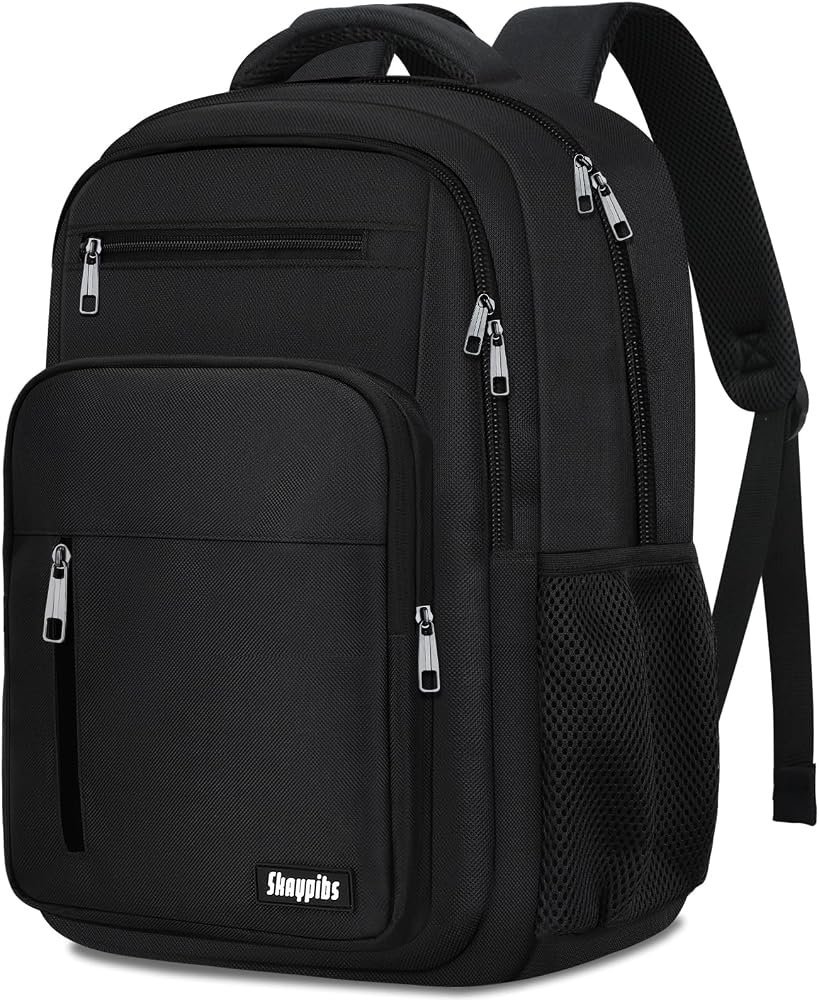
- Select a pack with a volume between 30 and 40 liters to ensure you have enough room for thick volumes and a laptop.
- Verify the bag includes an internal sleeve positioned against the back panel to keep the heaviest items centered.
- Tighten the load-lifter straps at the top of the shoulder harness to pull the weight closer to your center of gravity.
- Fasten the sternum strap across your chest to stabilize the shoulder straps and prevent them from sliding outward during movement.
- Use the waist belt if your load exceeds 15 pounds, as this transfers weight from your shoulders to your hips. Tip: Don’t carry more than 15% of your total body weight to avoid long-term postural issues, as noted in the American Academy of Pediatrics guidance on school backpack safety.
- Distribute the weight evenly by placing the heaviest books in the main compartment, centered and as close to your back as possible. Tip: A mistake here is leaving heavy items loose; this causes the bag to shift, which ruins your balance when walking.
Weight and Capacity Variations
| Situation | Capacity Needs | Weight Limit | Best Feature |
|---|---|---|---|
| Daily Commute | 20–25 Liters | 10 lbs | Slim Profile |
| Heavy Study Days | 30–40 Liters | 20 lbs | Padded Hip Belt |
| Overnight Travel | 45+ Liters | 25+ lbs | Internal Frame |
If the bag feels significantly heavier than the weight of your books, re-adjust the shoulder straps so the bottom of the bag sits at or above your waistline.
Assessing Load Comfort
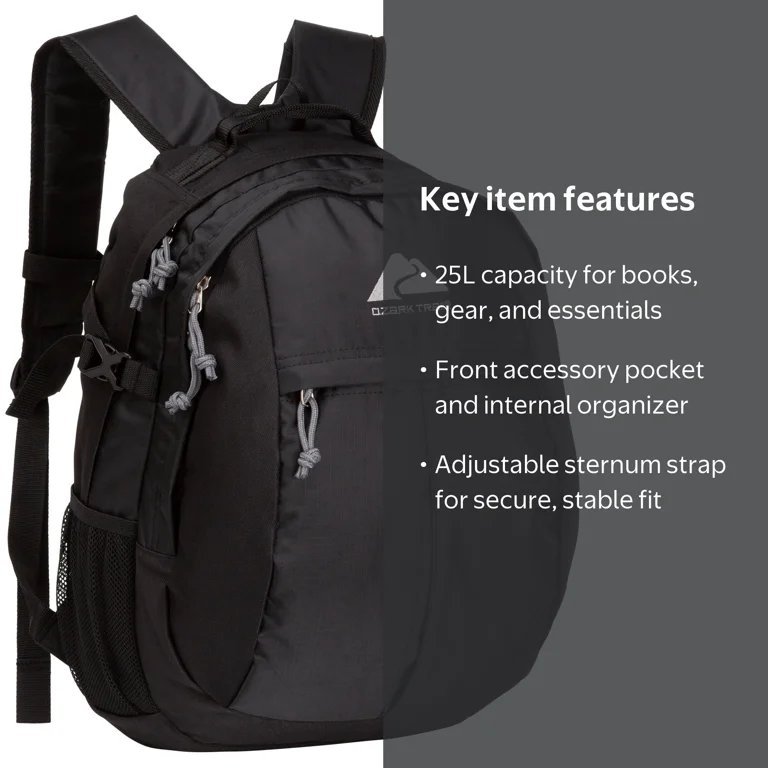
You can tell the bag is packed correctly when the weight feels balanced against your spine rather than pulling your shoulders back. When you stand up straight, the bag shouldn’t cause you to lean forward to compensate for the load. If the straps pinch your neck or the bag swings side-to-side while walking, you haven’t secured the compression straps or the sternum buckle tight enough. A properly packed bag will feel like an extension of your body, with the weight resting primarily on your hips rather than hanging from your shoulders.
Common Loading Mistakes
- Overloading the front pockets: This pulls the center of gravity away from your body, which forces you to hunch over to stay upright. Place heavy items in the main compartment against the back panel instead.
- Wearing only one strap: Using a single strap causes uneven pressure on your spine and shoulder muscles, leading to quick fatigue. Always use both straps to balance the weight across your frame.
- Ignoring internal organization: Throwing books in randomly creates uneven pressure points that can damage your bag’s lining and fabric. Use the internal sleeves to keep everything vertical and secure.
- Neglecting strap adjustments: Failing to tighten the straps after loading makes the bag hang too low, which hurts your lower back. Adjust the straps every time you add or remove heavy items to maintain a snug fit.
Frequently asked questions
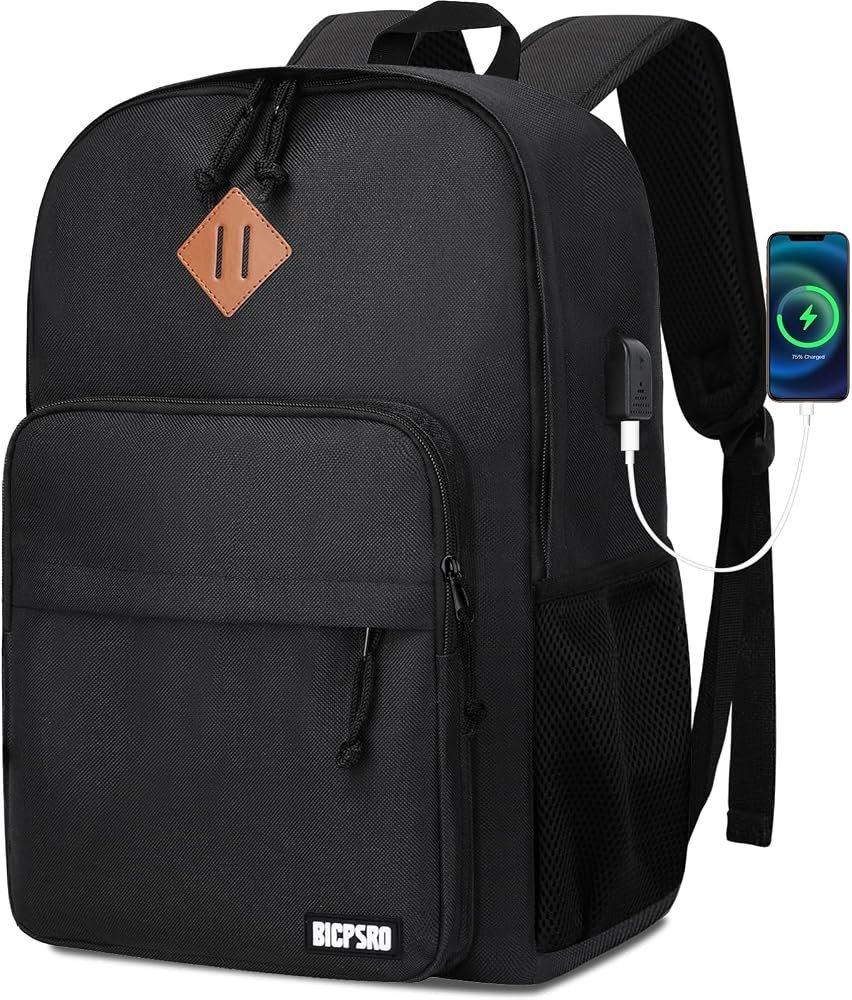
Can a regular school bag hold heavy books?
No, a standard school bag often lacks the structural integrity or padding required for heavy loads. Regular bags typically use thinner materials that tear under the weight of multiple thick textbooks. You need a bag designed for heavy-duty use with reinforced stress points and high-density foam padding to stay comfortable.
How long should a heavy-duty backpack last?
A high-quality, well-maintained bag can last for several years of daily use. This varies by model — check the label for material denier, as higher numbers indicate stronger, more durable fabric. If you notice frayed seams or broken zippers, the bag has likely reached the end of its useful life.
Is it safe to carry heavy books in a backpack?
Yes, it’s safe as long as you don’t exceed 15% of your body weight and use both straps. Carrying excessive weight for long periods can lead to back pain or poor posture. Always use the hip belt to shift the weight away from your shoulders if the load feels too heavy.
What happens if I carry too much weight?
Carrying too much weight causes muscle strain and forces your body to lean forward to maintain balance. This misalignment creates tension in your neck and lower back that can persist after you take the bag off. If your bag feels consistently heavy, remove unnecessary items and ensure the load is centered.
How do I know if my backpack is too heavy?
You know it’s too heavy if you must lean forward or bend your knees significantly to stand upright while wearing it. If the bag is causing visible strain or if you feel numbness in your arms, the load is likely excessive. Always aim for a weight that allows you to walk with a natural, upright posture.
Final Thoughts
Choosing the right gear makes your daily commute much easier on your shoulders. Once you’ve picked a durable model that fits your style, try packing your heaviest items closest to your back to improve your balance. You’ll definitely notice the difference in comfort when you’re walking across campus this semester.