
A durable, high-capacity pack with a volume of 30 to 40 liters is the ideal backpack that can hold a lot of books without causing strain. These bags feature reinforced stitching, padded shoulder straps, and internal dividers to distribute heavy loads evenly across your back and shoulders.
Choosing the right pack depends on the total weight of your gear. If you carry more than 15% of your body weight, you must use a bag with a supportive hip belt to shift the load. A common mistake is buying a bag based only on its looks; this often leads to broken zippers or shoulder straps that dig into your skin after just one week of use.
How to hold more books in your backpack
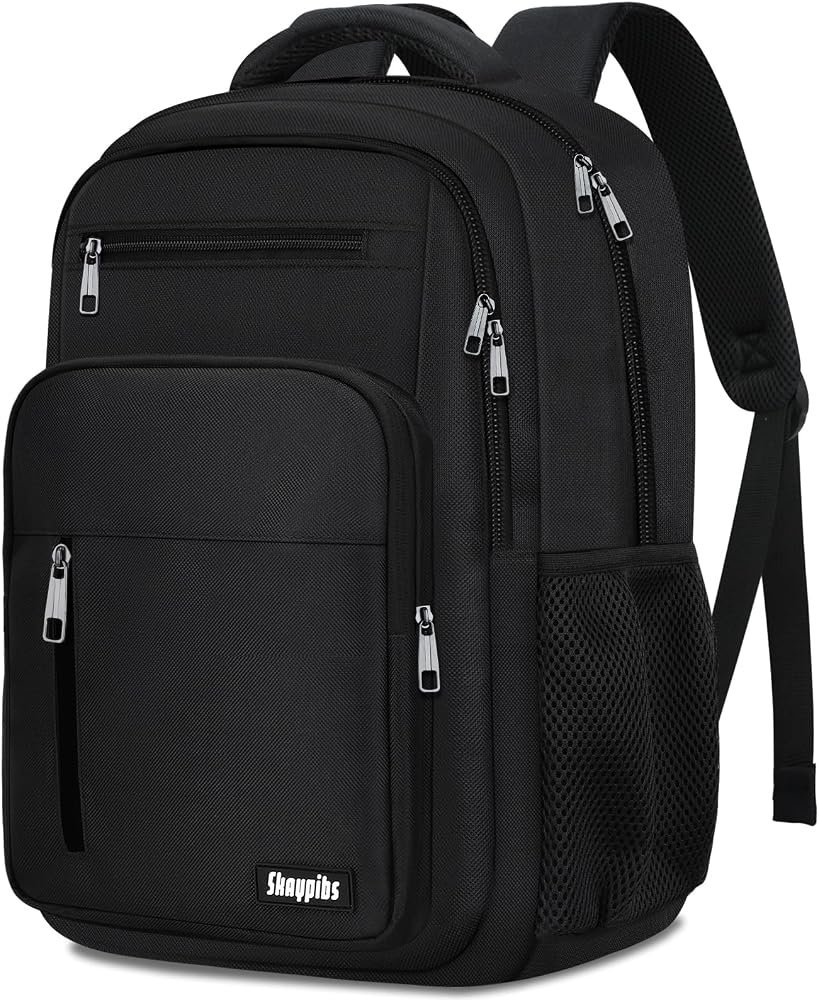
- Select a pack with a dedicated laptop sleeve located against the back panel. This keeps the heaviest item closest to your spine, which improves your balance while walking.
- Ensure the shoulder straps are at least 2.5 inches wide and have high-density foam padding. Thin, unpadded straps concentrate pressure on your trapezius muscles and cause nerve irritation over time.
- Check the material density of the fabric, ideally looking for 600D polyester or higher for daily wear. According to the American Academy of Pediatrics, your child’s backpack should never weigh more than 10% to 20% of their body weight to prevent long-term back pain. Tip: If the bag lacks a sternum strap, you can buy an add-on clip to keep the shoulder straps from sliding outward.
- Test the zippers by pulling them horizontally rather than at an angle. If you notice the teeth separating under light tension, the zipper is too weak for a heavy book load.
- Inspect the bottom panel for double-layer reinforcement. This prevents the corners of heavy textbooks from wearing holes through the fabric after a few months. Tip: If you carry sharp-edged binders, place a piece of stiff cardboard at the base of the bag to protect the fabric.
Choosing a backpack that can hold a lot of books
| Bag Size | Max Book Capacity | Best Use Case | Risk Factor |
|---|---|---|---|
| 20-25 Liters | 3-5 Large Books | Short commutes | Overloading the zipper |
| 30-35 Liters | 6-10 Large Books | Full school days | Shoulder strain |
| 40+ Liters | 10+ Large Books | Heavy travel/study | Poor spinal alignment |
This assumes a standard textbook size of 8.5 by 11 inches; for larger art portfolios or oversized reference books, allow for 20% less total capacity to prevent jamming. If your pack feels significantly heavier than the table suggests, check your load for unnecessary items like extra electronics or water bottles.
Checking structural integrity
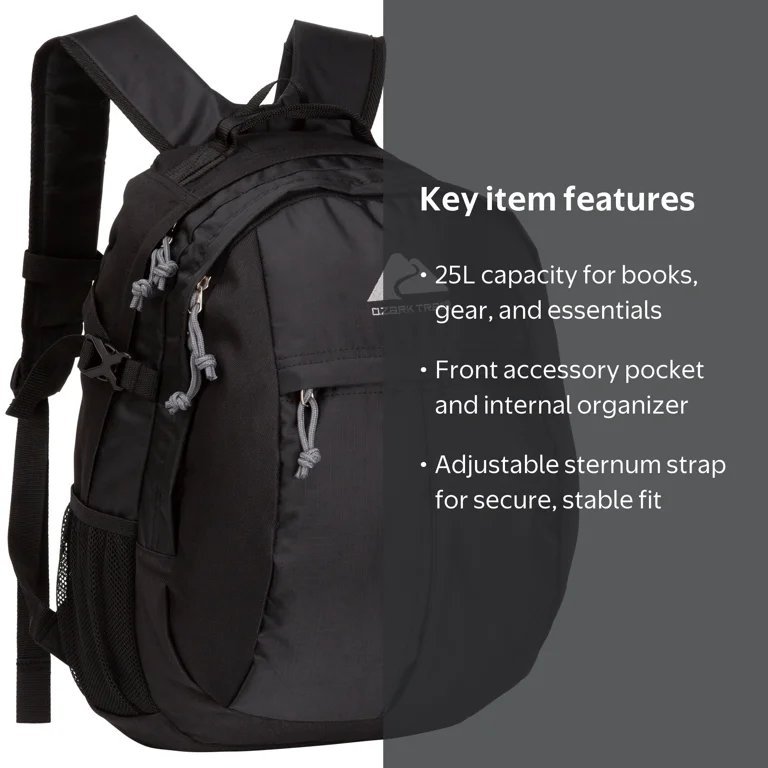
You can tell if a bag is failing by looking at the stress points where the shoulder straps meet the body of the pack. If you see the stitching pulling apart or small gaps appearing in the fabric, the bag has reached its limit. You should also check the vertical alignment of the zippers after loading the bag; if they appear wavy or strained, they will likely fail within a week. If it does, the weight distribution is uneven, which can cause discomfort and poor posture.
Mistakes that ruin it
- Overstuffing the main compartment Forcing a zipper closed puts extreme pressure on the slider and will cause it to snap or lose its track. Instead, leave at least one inch of space at the top to allow the fabric to flex.
- Carrying the bag on one shoulder This creates an asymmetrical load that causes muscle spasms in your neck and lower back. Always use both shoulder straps to distribute the weight evenly across your torso.
- Ignoring the load-lifter straps Many people leave these dangling, but they’re vital for pulling the weight of the books closer to your upper back. Tighten these until the load is pulled close to your upper back and the weight is transferred to your shoulders.
- Storing heavy items in the front pocket This pulls your center of gravity backward and forces you to lean forward to compensate. Always keep your heaviest books in the main compartment, closest to your back.
Frequently asked questions
Can I machine wash my heavy-duty backpack?
No, you shouldn’t machine wash it because the agitation can ruin the internal stiffeners and water-resistant coatings. Instead, use a soft brush, warm water, and a mild soap to spot-clean the fabric. Always air dry the bag in the shade to prevent the UV rays from weakening the synthetic fibers.
Is it safe to carry 20 pounds of books?
Yes, it’s safe if you’re an adult and use a pack with a proper hip belt and sternum strap. If you’re a student, keep the total weight below 15% of your body weight to avoid spinal stress. If the weight is higher, consider using a bag with wheels.
How long should a quality backpack last?
A high-quality pack typically lasts three to five years with daily use if you don’t exceed the manufacturer’s recommended weight limit. This varies by model — check the label or the brand website for the specific load rating. If you notice the seams fraying, take it to a professional tailor early.
What happens if the zipper breaks?
If a zipper breaks, the bag is usually no longer safe for holding heavy books because the contents may fall out. While you can sometimes replace a slider, a broken zipper track requires a full replacement of the entire closure. Check your warranty, as many reputable brands offer lifetime coverage for zipper failure.
How can I make a heavy bag feel lighter?
You can make it feel lighter by adjusting the shoulder straps so the bag sits high on your back, rather than resting on your lower lumbar area. Tighten the straps so the top of the bag sits just below your shoulders. This simple adjustment shifts the weight to your stronger core muscles.
Final Thoughts
Choosing the right bag makes a world of difference when you’re carrying a heavy load all day. Once you’ve picked a style that fits your needs, head to a local shop to try one on with some weight inside. You’ll feel the comfort difference immediately, and your back will definitely thank you.
Related guides