
How to choose a backpack for school involves matching the pack’s capacity to your daily load while ensuring the straps remain padded and supportive. If you carry heavy books, select a model with a waist belt for better weight distribution.
How to choose a backpack for school
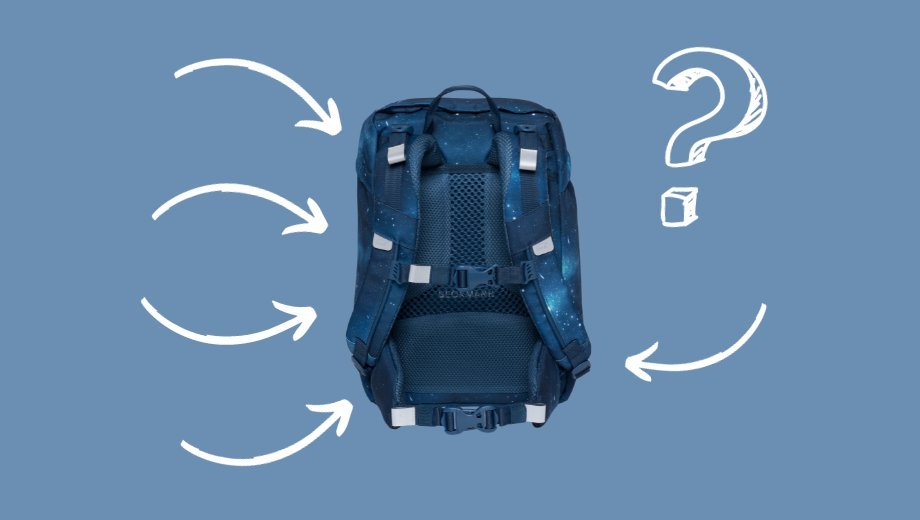
Selecting the right bag depends on your daily routine and the gear you need to transport.
| Method | How long | Effort | Cost | Best for |
|---|---|---|---|---|
| Standard Pack | 15 mins | Low | Low | Daily books |
| Rolling Bag | 10 mins | Medium | Medium | Heavy loads |
| Tech Rucksack | 20 mins | High | High | Electronics |
The cost is relative to brand quality and features. This varies by model — check the label for specific weight limits before you load it.
Traditional shoulder carry packs
- Measure your torso length from the C7 vertebra to the iliac crest.
- Select a pack that sits two inches below your shoulders and ends at your waist.
- Tighten the shoulder straps so the bag sits flush against your back.
- Adjust the sternum strap to keep the shoulder straps from sliding outward.
This method works well for students with light to moderate loads. It keeps your hands free for walking or biking. However, if you carry too much weight in a single-strap style, you risk uneven pressure on your spine. According to the American Academy of Pediatrics, the weight should never exceed 10 to 20 percent of your total body weight to prevent long-term strain.
Wheeled transport systems
- Check the handle height to ensure you don’t have to hunch while pulling.
- Inspect the wheel casing for durability against curbs and rough pavement.
- Pack the heaviest items at the bottom near the wheels for stability.
- Ensure the bag has a cover for the straps so they don’t drag on the ground.
These are excellent for students who must carry heavy textbooks all day. They save your shoulders from significant strain. The main weakness is that they’re difficult to maneuver on stairs or in crowded hallways. If you choose this, make sure the model fits under your school desk to avoid blocking aisles.
Dedicated laptop and tech bags
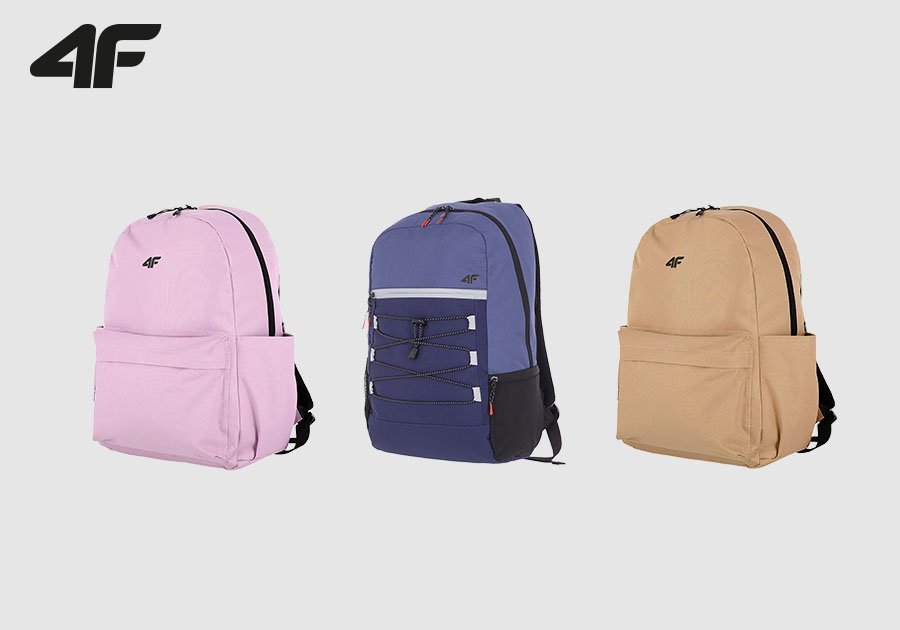
- Verify the laptop sleeve is padded and sized for your specific screen size.
- Check for reinforced corners that protect internal hardware from accidental drops.
- Organize cables in smaller internal pockets to prevent tangled cords.
- Test the zippers to ensure they don’t snag on the protective padding.
These bags excel at keeping expensive equipment organized and safe from impact. They often include water-resistant materials for extra protection. A common mistake is choosing a bag that’s too large, which allows the laptop to slide around inside. This costs you time when you need to access gear quickly and risks damage to the screen.
Which one should you use?
If you’re in a hurry, pick a standard pack because it’s easy to find and fits most basic needs. If you’re doing this for the first time, choose a model with wide, padded straps to avoid discomfort as you adjust to carrying weight. If you want the best possible result, buy a high-quality tech bag with a waist belt, as this balances comfort with protection for your expensive items. Remember the trade-off: more features usually mean more weight and a higher price tag.
The rules that apply whichever way you choose
Regardless of the style, always check the internal capacity against your school’s requirements. Prepare by listing your heaviest daily items to ensure the bag can handle the volume. Partway through the semester, check for worn seams or fraying straps that could lead to a sudden failure. At the end of the year, wash the bag according to the manufacturer’s care instructions to remove grime. If you need specialized medical-grade support for back issues, consult a physical therapist before you buy. Never ignore pain; if your back hurts, the bag is likely too heavy or improperly adjusted.
Frequently asked questions
Can a backpack cause back pain?
Yes, a bag that’s too heavy or worn incorrectly can cause significant back pain. This occurs when the weight pulls your shoulders backward, forcing you to lean forward to compensate, which changes your natural posture and puts stress on your spine.
How long should a school backpack last?
Most well-made bags will last at least one full school year if you handle them with care. This varies by model — check the label for warranty information and material quality, as cheaper synthetic fabrics often tear after a few months of heavy use.
Is it safe to wear one strap?
No, wearing your bag on one shoulder is unsafe because it creates an uneven weight distribution. This habit leads to muscle imbalances and shoulder strain. Always use both straps to keep the weight centered over your body’s natural frame.
What happens if I overpack my bag?
Overpacking leads to poor posture and can cause long-term skeletal strain. It also increases the speed at which your zippers and fabric wear out. If you can’t zip the bag shut without force, you’re carrying too much gear.
How do I clean my backpack?
Most bags can be cleaned with a damp cloth and mild soap. Never submerge a bag with electronic components in water. For heavy stains, check the care label to see if machine washing is allowed, but always use a gentle cycle.
Final Thoughts
Finding the right fit doesn’t have to be stressful. Once you’ve narrowed down your favorites, head to a local shop to try them on with your own gear inside. You’ll quickly see which one feels most comfortable on your shoulders. It’s a small step that’ll make your daily commute much easier.