
A front-loading clamshell pack with a capacity of 40 liters is the most versatile option for most travelers. This design offers easy access to your gear like a suitcase, while the 40-liter size typically meets most airline carry-on limits.
Choosing the right bag depends on your trip duration and your ability to carry weight. If you plan to walk for hours, prioritize a suspension system with a hip belt; if you’re mostly moving between taxis and hotels, a simple carry handle and shoulder straps are enough. The biggest mistake people make is buying a bag that’s too heavy when empty, which limits how much you can actually pack before hitting airline weight restrictions.
Choosing the best backpack for travelling
Photo: expertvagabond.com on Google
- Choose a bag between 35 and 45 liters to stay within standard carry-on dimensions, which the Transportation Security Administration lists as generally acceptable for cabin storage.
- Adjust the torso length on the back panel to ensure the hip belt sits on your iliac crest, not your waist.
- Place your heaviest items, such as shoes or toiletry kits, close to your back and centered between your shoulder blades to maintain balance.
- Use internal compression straps to secure your items so they don’t shift while you’re walking through terminals or transit hubs.
- Lock the main zippers with TSA-approved luggage locks if your bag doesn’t have integrated security features to prevent unauthorized access. Tip: Don’t overstuff the front pocket, as it makes the bag bulge and may prevent it from fitting into a rigid sizer box at the gate.
Time Estimates for Packing and Adjusting
Fitting your gear into a single bag often takes longer than using a standard suitcase because you must be more selective. The following table shows how your trip length and packing style impact your process.
| Situation | How long | What changes it | What to watch for |
|---|---|---|---|
| Weekend trip | 15 minutes | Number of layers | Bulky sweaters |
| One-week trip | 45 minutes | Packing cubes | Excess toiletries |
| Two-week trip | 90 minutes | Laundry access | Heavy footwear |
If your packing takes over two hours, you’re likely carrying too many “just in case” items that you won’t actually use.
Identifying When Your Bag Is Ready
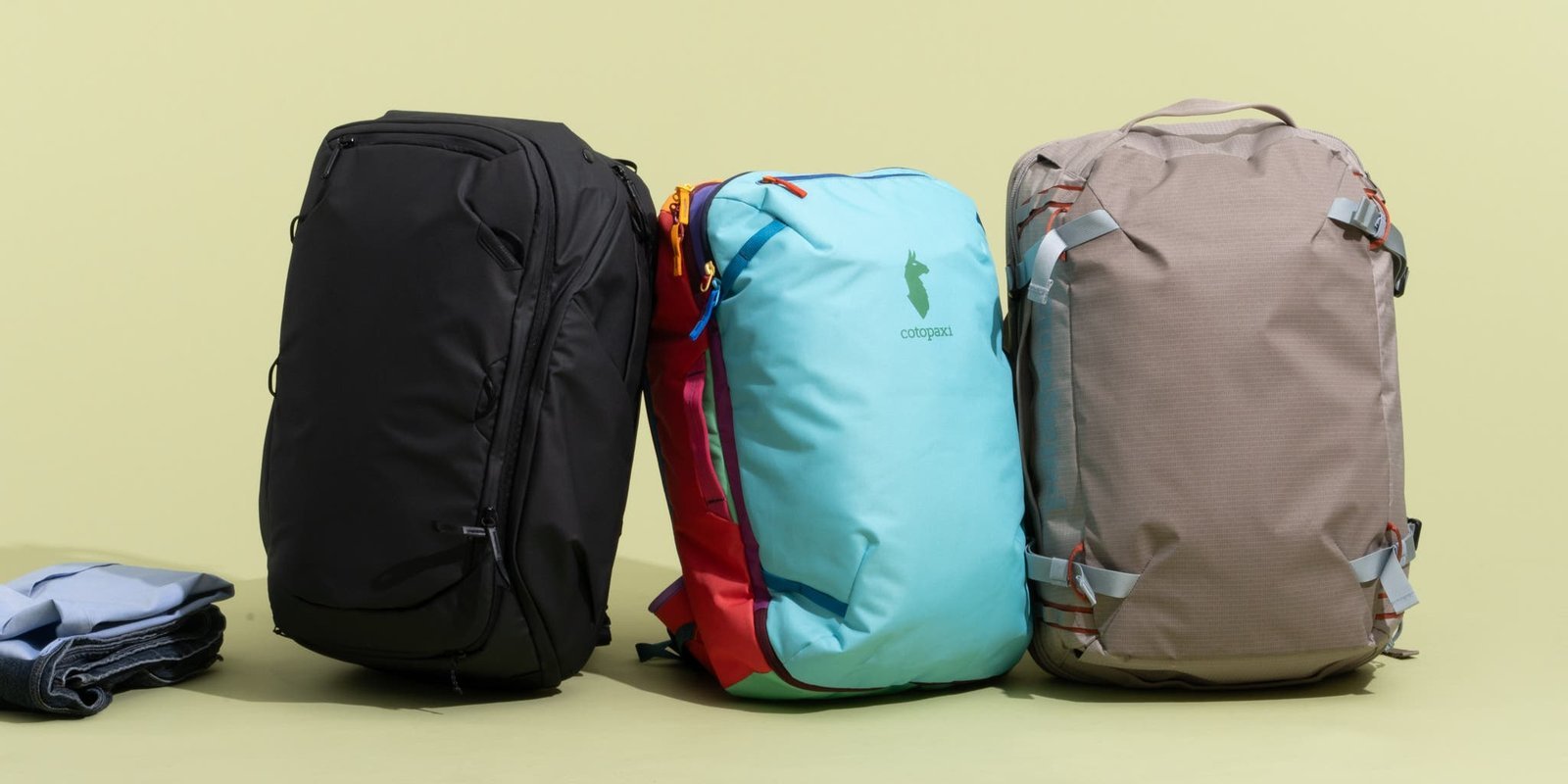
Your bag is properly packed when the zippers close without strain and the shoulder straps don’t pull away from your body. You should be able to jump lightly without the bag shifting significantly on your spine. If you feel the weight pulling your shoulders backward, you must loosen the load-lifter straps or move heavier items lower in the main compartment. A properly adjusted bag should feel like an extension of your torso rather than a heavy weight hanging off your back. If the zippers feel tight, don’t force them, as this often leads to broken teeth or fabric tears.
Common Errors That Impact Comfort
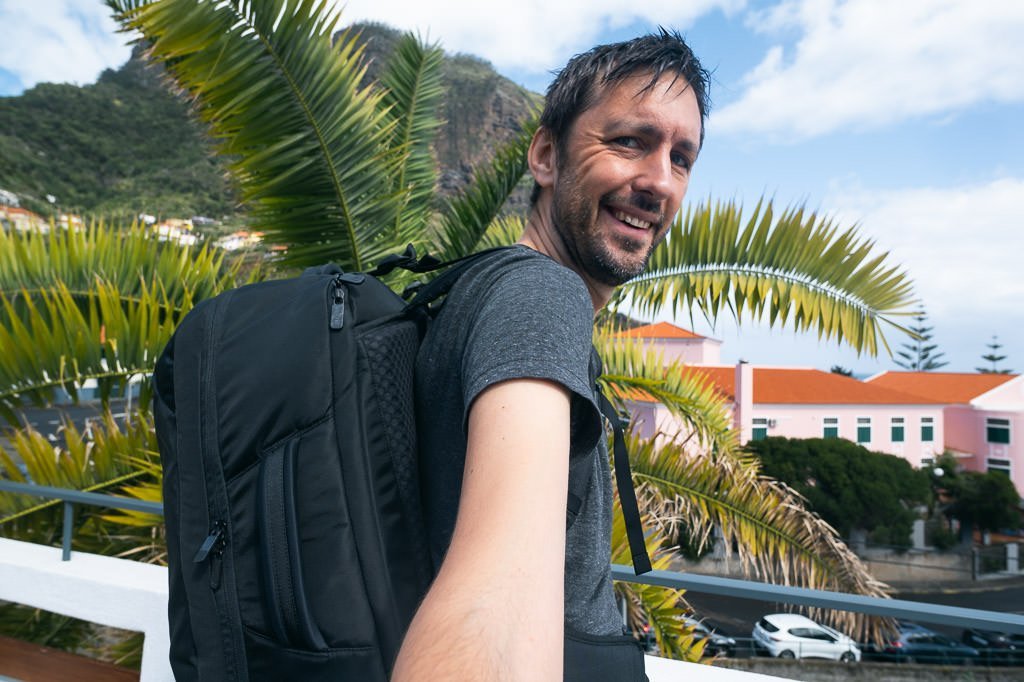
- Ignoring the frame sheet: Many people choose soft, frameless bags that sag, which causes back pain during long walks. Always choose a bag with a rigid plastic or aluminum frame to distribute weight evenly across your hips.
- Overloading the exterior: Attaching items like sleeping bags or loose shoes to the outside of your pack creates a snag hazard and ruins your center of gravity. Keep everything inside the main compartment to maintain a slim profile.
- Skipping the weight test: Failing to weigh your bag before you leave often results in unexpected gate-check fees. Use a handheld luggage scale to ensure you stay under the seven-kilogram limit that many international carriers enforce for carry-on items.
Can I bring a 50-liter backpack on a plane?
No, most airlines will force you to check a 50-liter bag because it exceeds the standard height limit of 22 inches. You should check your specific airline’s website, as size requirements vary by carrier and aircraft type, especially for budget airlines that have strict overhead bin dimensions.
Is a waterproof backpack necessary for travel?
No, a water-resistant fabric is sufficient for most travelers as long as you carry a separate pack cover. If you expect heavy rain or plan to spend time in tropical climates, a dedicated rain cover is a better investment than a fully waterproof bag, which is often heavier and stiffer.
What happens if my backpack is too heavy?
You’ll likely be required to check your bag at the gate, which can cost a significant fee depending on the airline. Always confirm your specific airline’s weight allowance before you arrive at the airport to avoid these surprise charges at the check-in counter.
How do I know if a bag fits my body?
A bag fits correctly when the shoulder straps wrap around your shoulders without leaving a gap and the hip belt supports at least seventy percent of the total weight. If you’re between sizes, visit a store to test the suspension system while wearing the bag with at least ten pounds of weight.
Is it safe to use a backpack in crowded cities?
Yes, it’s safe if you wear the bag on your front or use locking zippers to secure your valuables in crowded areas. Many experienced travelers use a small chest bag for passports and cash while keeping larger electronics in the main compartment of their primary travel backpack.
Your choice of bag ultimately dictates your mobility. By choosing a durable, appropriately sized pack and keeping your load balanced, you remove the stress of managing heavy luggage and focus on your trip instead.
Type backpack, in short
Choosing the right gear shouldn’t feel like a chore, so trust your instincts when you head to the store. Spend some time trying on a few models with weight inside to see how they truly feel on your shoulders. You’ll be ready for your next big adventure once you’ve found your perfect fit.