
Backpacks that can hold a lot of books are typically defined by a capacity of 30 to 40 liters and reinforced shoulder straps. Choosing the right bag ensures you carry heavy loads comfortably without putting too much strain on your back or shoulders.
Choosing backpacks that can hold a lot of books
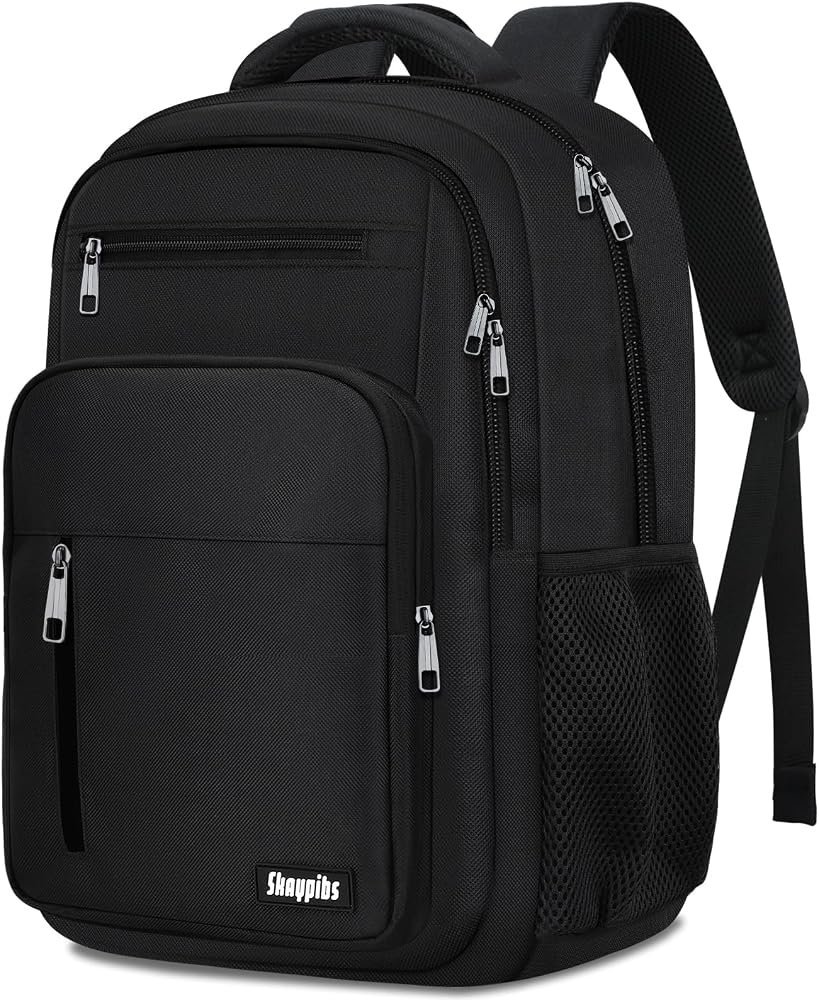
Large-capacity bags are designed for students or commuters who need to transport heavy textbooks, laptops, and daily gear simultaneously. They aren’t just about raw volume; they’re about weight distribution. A common mistake is buying a bag based only on its aesthetic or brand name rather than its internal frame support. If you choose a bag without a padded hip belt, you force your shoulders to carry 100% of the weight. This is a trade-off: larger bags offer more space, but they also become heavy very quickly. If you’re a smaller person, a 40-liter bag might be too long for your torso, which changes how the weight sits on your spine.
The basic method
- Check the volume rating on the manufacturer label; look for 30 liters or more for heavy book loads.
- Place the heaviest items, such as thick hardback books, closest to your back panel to keep the center of gravity stable.
- Tighten the shoulder straps so the bag sits centered on your back, with the bottom of the pack resting at or slightly above your waist.
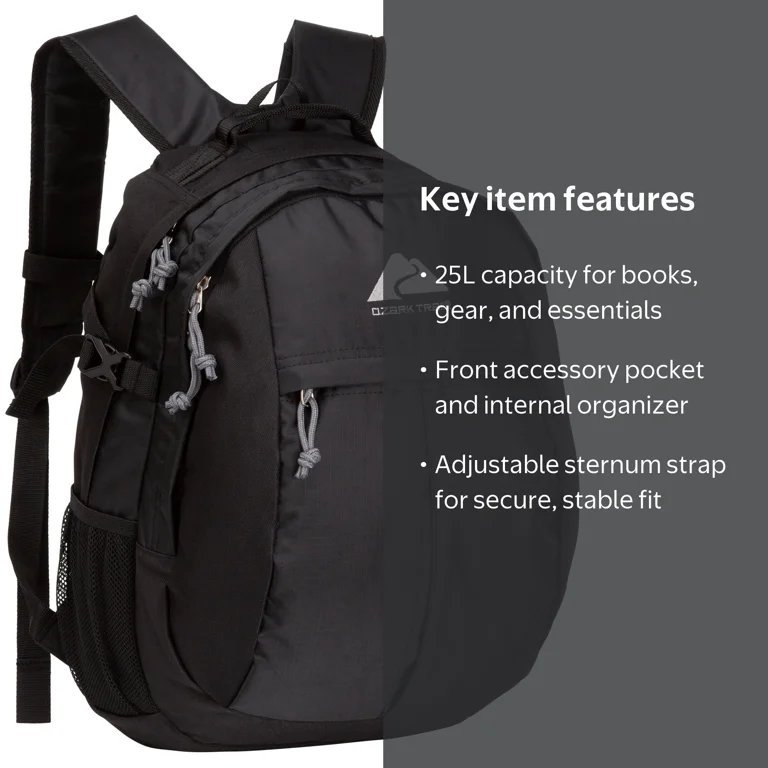
- Use the sternum strap if your bag has one; this pulls the shoulder straps together and prevents the bag from shifting while you walk.
- If the bag includes a hip belt, buckle it to transfer weight from your shoulders to your hips.
- Adjust the compression straps on the sides to pull the load tight against your back, preventing the books from sliding around inside.
If you have back pain, always prioritize bags with adjustable torso lengths. If you’re unsure about safe carrying limits, consult the American Occupational Therapy Association guidelines on proper backpack usage to prevent injury.
Key numbers and settings at a glance
Load weight shouldn’t exceed 10% to 15% of your total body weight to avoid long-term physical strain.
What separates good results from bad ones
Loading and balance
Experienced users treat their bags like a puzzle. They place the heaviest, densest books directly against the back panel. This keeps the heaviest weight close to your center of gravity. If you put heavy books at the bottom or far from your back, the bag will pull you backward, forcing you to lean forward to compensate. This bad posture causes muscle fatigue within minutes.
Adjustment and fit
The second factor is the fit of the straps. Most people leave their straps too loose. You want the bag to feel like a part of your body. If you feel the bag pulling away from your shoulders, the straps aren’t tight enough. If you have a bag with an internal frame or a stiff back panel, ensure it isn’t digging into your lower back. This varies by model — check the label to see if the back panel is adjustable.
Common problems and quick fixes
| What you notice | What it usually means | What to do first |
|---|---|---|
| Shoulder pain | Straps are too loose | Tighten straps |
| Bag sags low | Incorrect torso fit | Raise strap height |
| Zipper gets stuck | Overloaded capacity | Remove one book |
| Back feels sweaty | Poor air circulation | Use ventilated panel |
Carrying safety rules
The American Academy of Pediatrics recommends that children and students carry no more than 10% to 20% of their body weight to avoid spinal issues. Always distribute the weight evenly between both shoulders. If you carry a heavy load for long distances, use a bag that features a load-lifter strap system. This is a small strap on top of the shoulder harness that pulls the load closer to the body. If you require a medical-grade or ergonomic solution for chronic pain, consult a physical therapist who can recommend specific frame types for your unique posture.
Maintaining your gear
To keep your bag in good shape, wipe the interior with a damp cloth regularly to remove dust or paper debris. If the zippers feel stiff, apply a small amount of graphite or a specialized zipper lubricant. Never machine wash a bag with a rigid frame, as this can snap the plastic or bend the metal stays. Check for loose threads around the shoulder straps as part of your usual clean; if you see the stitching coming undone, have it repaired immediately by a professional tailor.
When to use a different approach
If you’re carrying more than 20 pounds of books daily, a backpack may not be the best choice regardless of its size. In this case, switch to a rolling book bag or a dedicated cart to remove the weight from your spine entirely. If you’re traveling through crowded areas where you must keep your bag in front of you, a smaller messenger bag is safer and easier to manage than a large, deep backpack.
Frequently asked questions
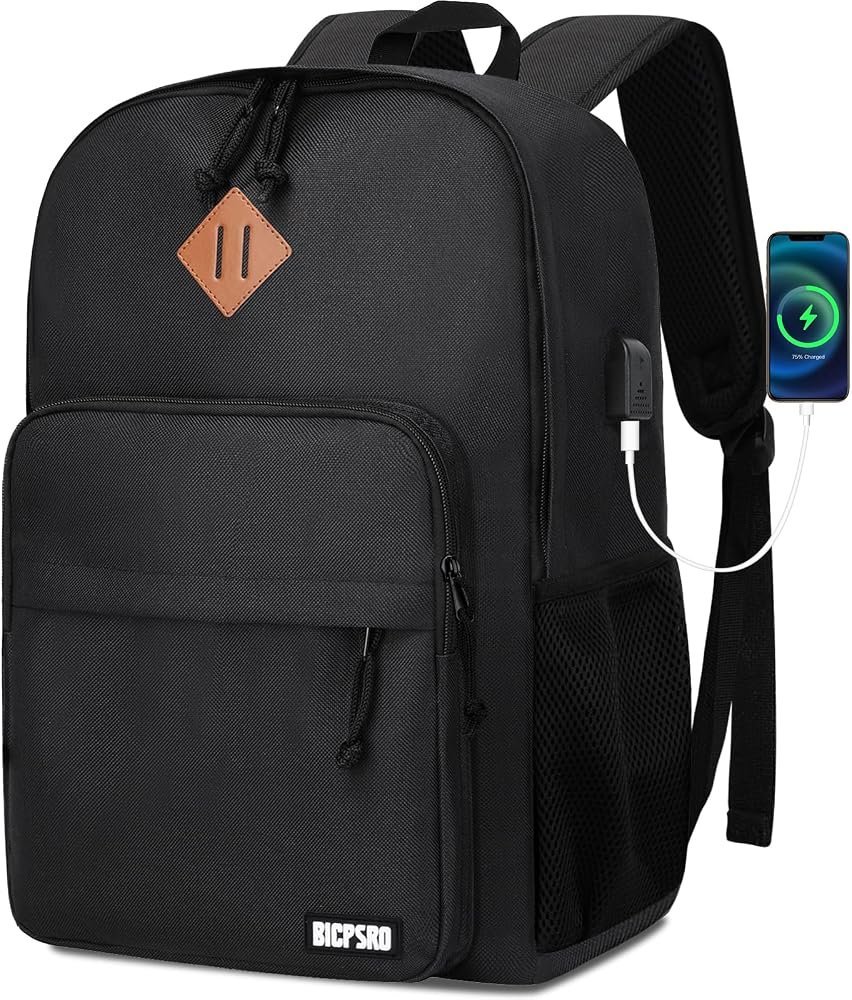
Can I use a hiking backpack for school?
Yes, you can, but they often lack the padded laptop sleeves found in school-specific bags. Ensure your books are protected in a separate case before putting them inside a hiking pack.
Why is my bag hurting my lower back?
It’s likely too low on your spine. Tighten the shoulder straps so the bag sits higher, and if it has a hip belt, move the belt to rest on your hip bones.
How long should a heavy-duty bag last?
A high-quality bag should last three to five years with daily use. This varies by model — check the label for the manufacturer’s warranty, which often covers zipper and strap failures.
Is it safe to carry heavy books on one shoulder?
No, it isn’t safe because it creates an uneven load that pulls your spine to one side. Always use both shoulder straps to distribute the weight across your back.
What happens if I overload my bag?
Overloading causes the zippers to fail and the shoulder straps to tear away from the main body. It also increases the risk of muscle strain and poor posture while walking.
Final Thoughts
Investing in a sturdy bag is a smart move for your long-term comfort. Once you’ve picked a style that fits your needs, try packing it with your heaviest items first to keep the weight centered. You’ll definitely notice the difference in how your back feels by the end of the day.
Related guides