
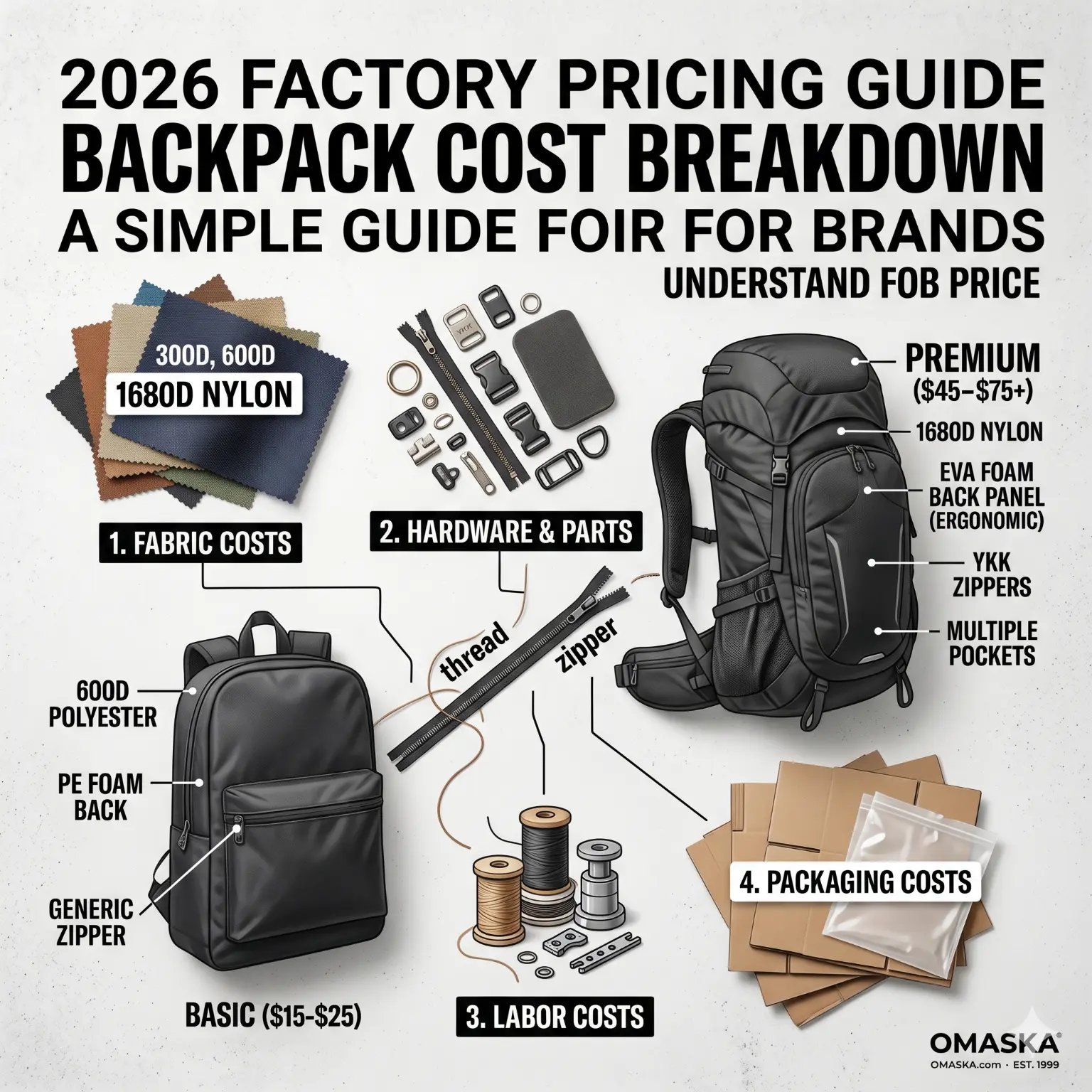
A basic daypack usually costs between $20 and $50, while professional-grade hiking or laptop backpacks typically range from $100 to $300, so the cost of a backpack depends largely on your intended use and the materials.
If you’re buying a bag for school or light commuting, a simple polyester pack will suffice. If you plan to carry heavy gear or travel long distances, you need a bag with a reinforced frame and moisture-wicking fabrics. The most common mistake is choosing a pack based only on the brand name rather than the fit; a poorly fitted bag causes back strain and often leads to an early replacement, costing you more in the long run.
Choosing the Right Pack
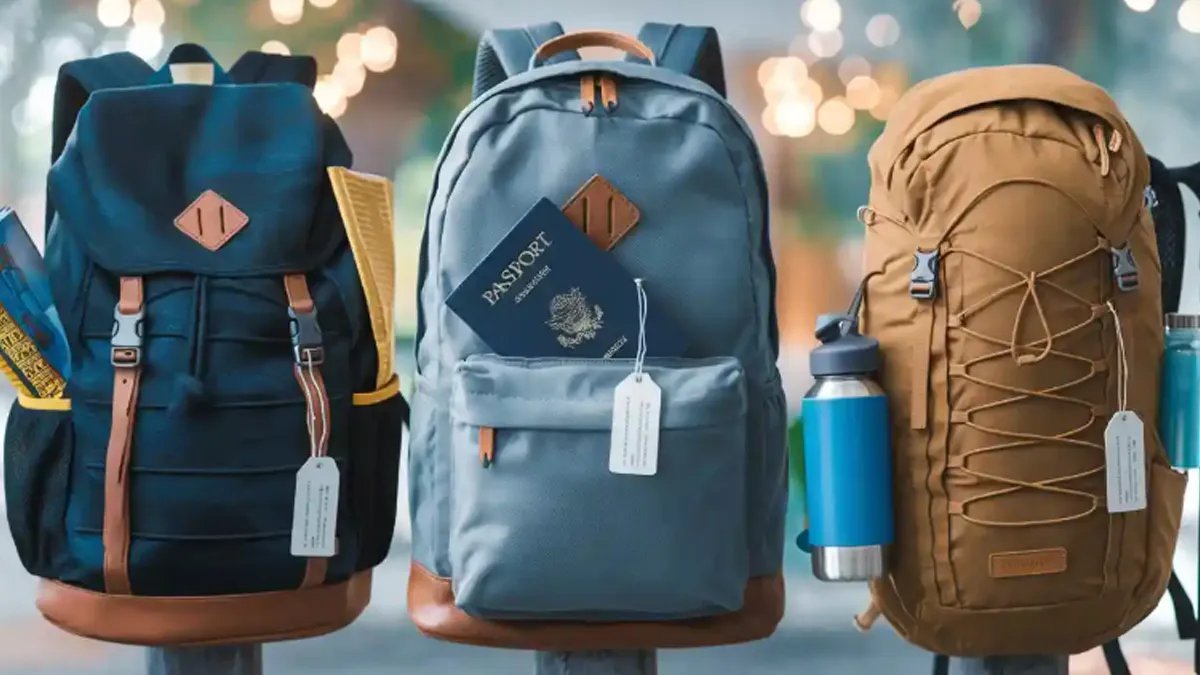
- Identify your primary activity, such as commuting, hiking, or air travel, to narrow down your search.
- Measure your torso length to ensure the bag fits your spine, as the American Academy of Orthopaedic Surgeons recommends that a pack should never hang more than four inches below your waistline.
- Check the material density; look for nylon or polyester with a denier rating above 400 for daily use, or 600 for rugged outdoor activities.
- Test the zippers and buckles by opening and closing them at least ten times to ensure they don’t snag or feel loose.
- Inspect the shoulder straps to confirm they’re padded and at least two inches wide to prevent pressure points on your shoulders.
- Verify the warranty policy, as reputable manufacturers often cover seam failures or broken hardware for several years.
Tip: If you’re buying a bag for a child, ensure the total weight of the pack and its contents doesn’t exceed 10% to 15% of their body weight.
How Much Do Backpacks Cost: Key Factors
The final price tag changes based on brand reputation, material quality, and technical features like water resistance or laptop compartments.
| Situation | Price Range | What changes it | What to watch for |
|---|---|---|---|
| Basic Daypack | $20 – $50 | Simple zippers, thin fabric | Frayed seams |
| Student/Laptop | $50 – $150 | Padded sleeves, organizers | Zipper quality |
| Hiking/Technical | $150 – $350 | Internal frame, ventilation | Weight of bag |
| Travel/Carry-on | $100 – $300 | TSA-friendly, expandable | Airline size rules |
If your pack costs significantly less than the ranges above, inspect the stitching carefully, as budget models often skip double-stitching in high-stress areas.
Inspecting for Quality
Check if the fabric feels thick and if the stitching is tight, with no loose threads hanging from the seams. A high-quality backpack should maintain its shape even when empty. Test the weight distribution by loading the pack with your usual items; if it pulls backward or pinches your neck, the design is poor regardless of the price. The final test is the “shake” test: hold the bag by the top handle and give it a firm shake to ensure the handle doesn’t feel like it’s pulling away from the fabric.
Common Buying Mistakes
- Ignoring torso size: Buying a one-size-fits-all pack for technical hiking often results in poor weight distribution, which ruins your comfort on long trails. Always verify the manufacturer’s fit guide before you purchase.
- Overestimating capacity: Purchasing a massive 50-liter pack for daily errands makes you carry unnecessary weight and bulk, which is cumbersome in crowded spaces. Stick to a 20-25 liter capacity for daily use to keep your load manageable.
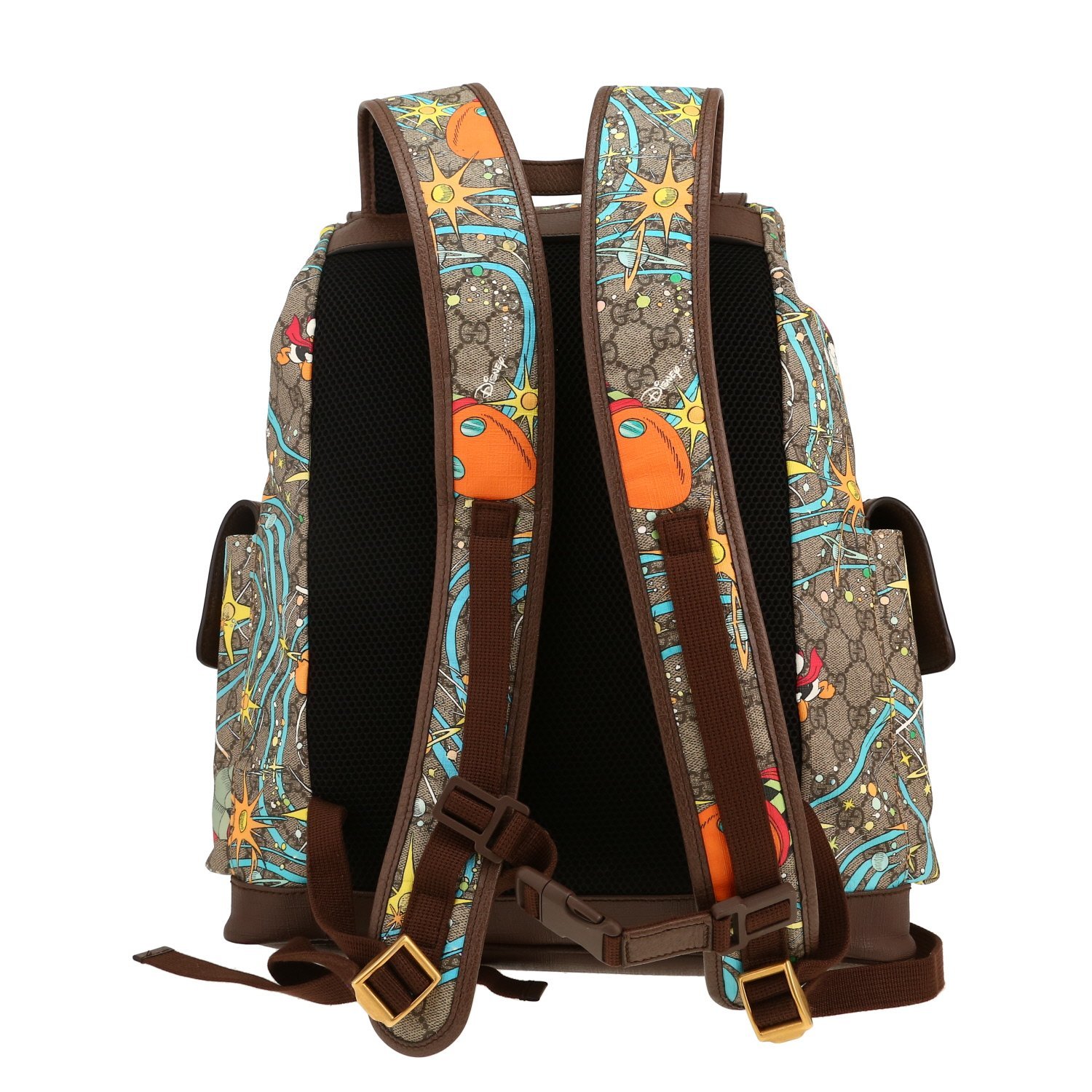
- Choosing style over function: Focusing on aesthetic patterns or colors often leads to buying bags with weak zippers or lack of padding. Always prioritize the build quality of the straps and the strength of the main compartment closure.
Frequently asked questions
Can I find a durable backpack for under $50?
Yes, you can find durable options under $50 if you stick to reputable brands that focus on utility over branding. Look for packs made of high-denier polyester without excessive external pockets, as fewer zippers mean fewer points of failure. Check the seams for double-stitching before you make the purchase.
Why do some backpacks cost over $300?
Backpacks costing over $300 typically feature proprietary suspension systems, ultralight aerospace-grade materials, and lifetime repair warranties. These models are designed for professional explorers who require gear that survives extreme weather and heavy, technical loads for years. You’re paying for the engineering that reduces physical fatigue during long use.
How long should a good backpack last?
A well-maintained backpack should last at least five to ten years with daily use. This assumes you don’t overload the bag beyond its stated weight capacity and keep the zippers free of dirt or debris. If the fabric begins to thin or zippers stick, it’s time for a replacement.
Is it safe to buy a used backpack?
Yes, it’s safe to buy a used backpack, provided you inspect it for mold, broken zippers, and damaged internal frames. Check the interior lining for any signs of water damage or lingering odors that indicate improper storage. Avoid bags with compromised shoulder straps, as these can’t be safely repaired.
What happens if I overload my backpack?
Overloading your backpack beyond the manufacturer’s recommended weight limit will cause the seams to tear and the zippers to fail. It also shifts your center of gravity, which increases the risk of falls and chronic back pain.
How often should I clean my backpack?
You should clean your backpack once or twice a year, or whenever it becomes visibly dirty, to prevent grit from wearing down the fabric. Use a damp cloth and mild soap to wipe down the exterior, and avoid putting it in a washing machine unless the label explicitly says it’s safe.
Backpacks cost, in short
Before you head to the store, think about the heaviest items you’ll carry every day. It’s worth checking a few customer reviews online to see how well a bag holds up over time. You’ll find that investing in a sturdy choice today saves you from needing a replacement later on.
Related guides