
Yes, you can absolutely bring both a carry-on suitcase and a personal item like a backpack on the vast majority of commercial flights. Most airlines permit one piece of standard carry-on luggage to be placed in the overhead bin and one personal item that must fit entirely underneath the seat in front of you. This two-bag strategy is the industry standard for domestic and international travel, allowing passengers to keep essential items accessible while keeping heavier gear stowed securely.
Key Takeaways
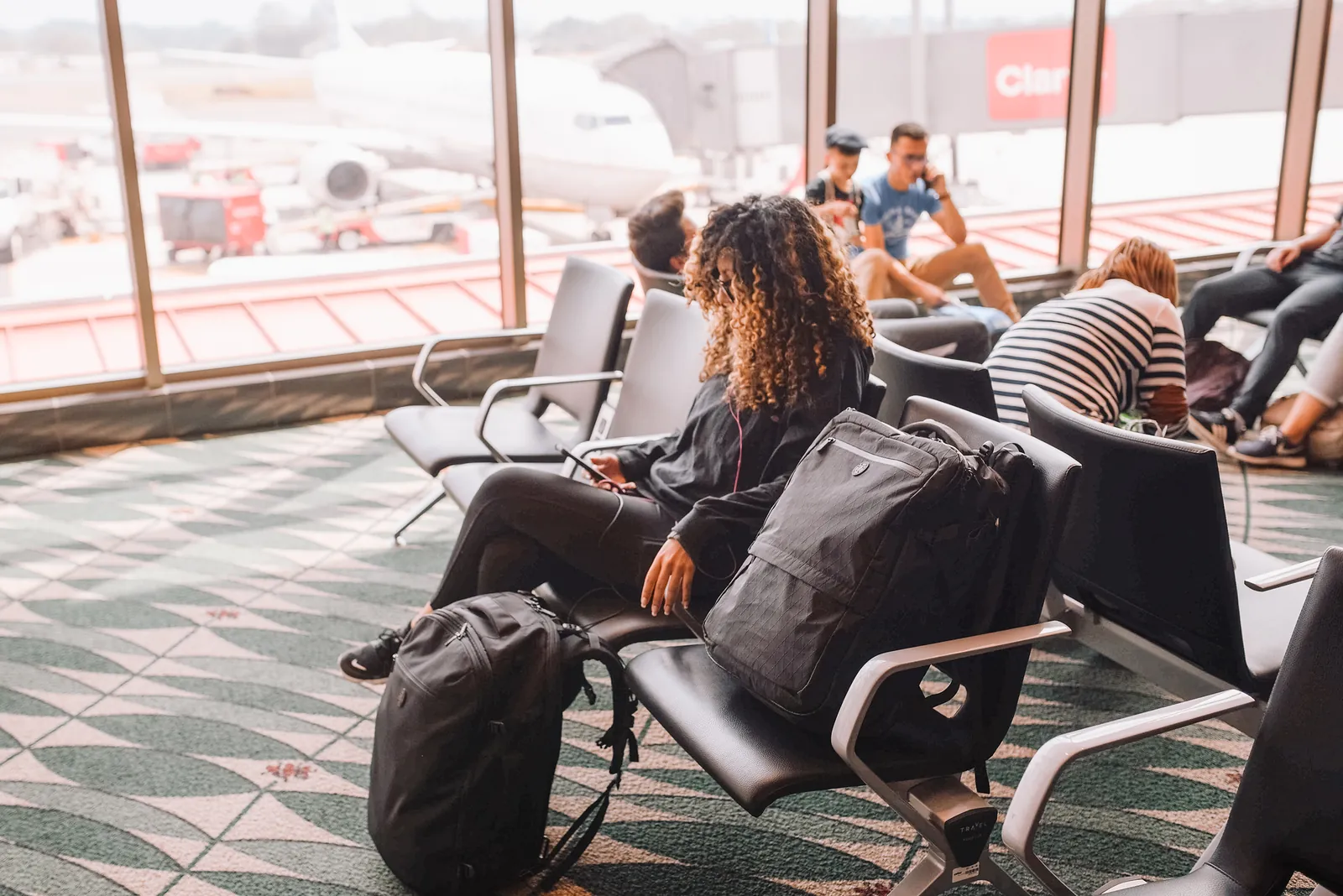
- Check your specific airline’s baggage policy, as dimensions for “personal items” vary significantly between carriers.
- Your backpack must fit under the seat in front of you to count as a personal item.
- The overhead bin is reserved for your roller bag, while the backpack stays at your feet.
- Weight limits for carry-on bags range from 15 to 35 pounds depending on the airline.
- Always pack your most valuable electronics and medications inside your backpack for easy access.
Can You Have a Carry-on and Backpack?
The short answer is yes, provided your backpack qualifies as a personal item. Airlines define a personal item as a bag that’s smaller than your primary carry-on, such as a laptop bag, purse, or small backpack. While your carry-on suitcase is destined for the overhead compartment, your backpack must remain stored under the seat directly in front of you. This configuration ensures that you maximize your total storage space while adhering to standard airline safety regulations.
Understanding Airline Baggage Policies
Every carrier sets its own rules regarding the number and size of bags allowed in the cabin. While major legacy carriers like United, American, and Delta generally allow one carry-on and one personal item for free, ultra-low-cost carriers may charge extra for overhead bin access. Always verify your ticket class, as “Basic Economy” fares on some airlines restrict you to only one personal item, meaning you would have to pay a fee to bring a carry-on suitcase.
| Airline Type | Carry-on Policy | Personal Item Policy |
|---|---|---|
| Major Legacy | Included in fare | Included in fare |
| Low-Cost | Often requires fee | Included in fare |
| Ultra Low-Cost | Extra charge applies | Sometimes requires fee |
What Defines a Personal Item?
A personal item is typically defined by its ability to fit under the seat in front of you. Most airlines provide specific dimension limits, usually around 18 x 14 x 8 inches. If your backpack is oversized, a gate agent may force you to check it, which could result in significant gate-check fees. To avoid this, use a dedicated travel backpack that’s designed to meet these specific size requirements, ensuring a smooth boarding process.
Essential Packing Strategy
Photo: eumeworld.com on Google
To optimize your two-bag setup, place items you need during the flight in your backpack. This includes your passport, phone charger, noise-canceling headphones, and snacks. Your carry-on suitcase should contain everything you don’t need until you reach your destination, such as extra clothing, shoes, and toiletries. By keeping your travel essentials accessible, you prevent the need to stand up and open the overhead bin while the plane is in flight.
How to Choose Your Backpack
When selecting a bag, prioritize ergonomic design and organizational features. A backpack with a dedicated laptop sleeve and external water bottle pockets is ideal for air travel. Ensure the material is durable enough to handle being pushed under a seat, which often involves tight spaces and abrasive flooring. Popular brands for this purpose include Osprey, Timbuk2, and Patagonia, all of which offer models specifically tailored for the modern air traveler.
Weight and Size Restrictions
While airlines are often more lenient with the weight of a personal item than a carry-on, you should still aim for a manageable load. According to the TSA carry-on baggage guidelines, security screening procedures remain the same regardless of your bag size, but you must ensure your liquids are in containers of 3.4 ounces or less if they’re in your carry-on. Always check the airline’s website for the latest weight maximums to avoid surprises at the check-in counter.
Managing Your Bags at Security
Navigating security with two bags requires a bit of organization. You’ll need to remove your laptop and any liquids from your backpack before it goes through the X-ray machine. If you have a carry-on and a backpack, try to stack your backpack on top of your rolling suitcase handle to move through the terminal with ease.
Pro Tip: Keep your ID and boarding pass in a small, external pocket of your backpack so you don’t have to dig through your main compartment at the security checkpoint.
Handling Full Overhead Bins
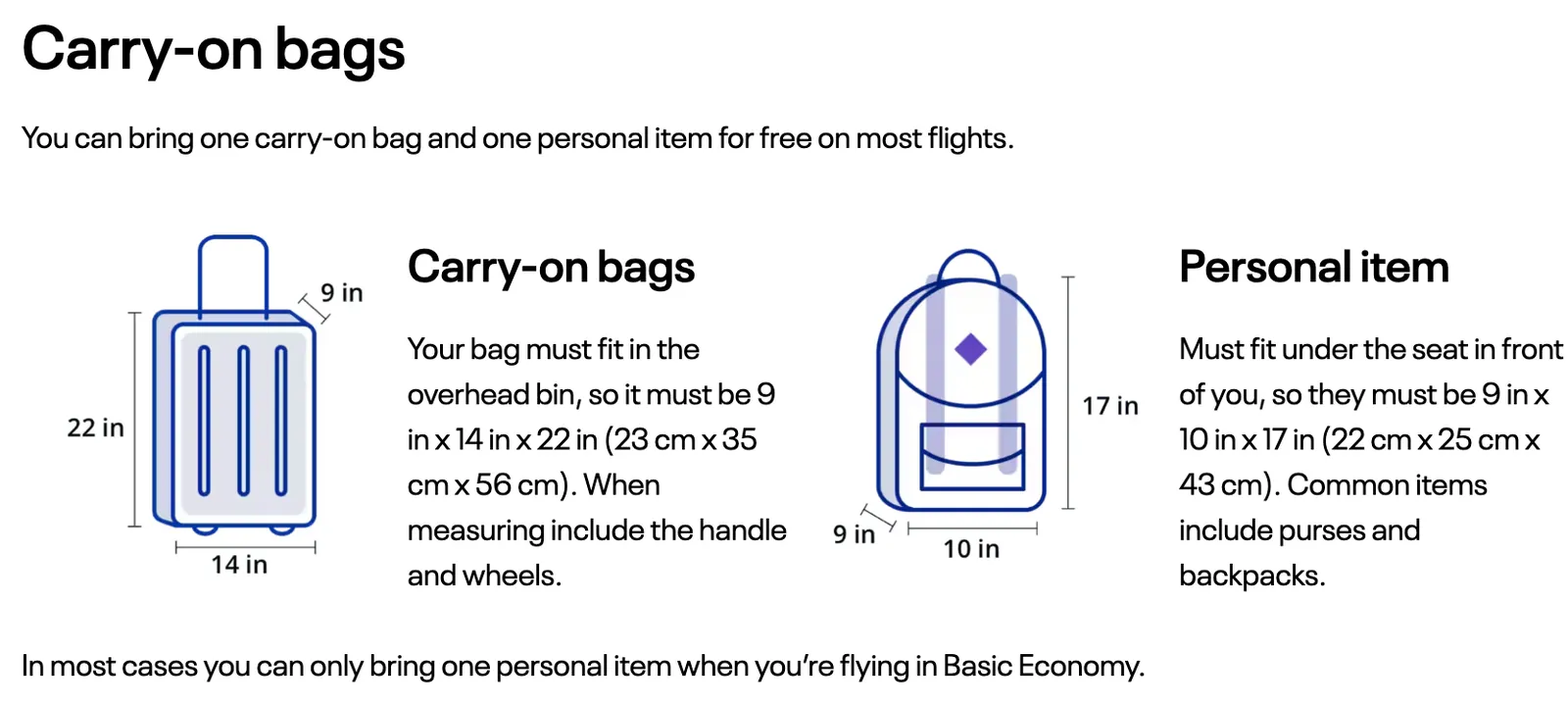
Sometimes, overhead bins fill up before you board, especially if you’re in a later boarding group. In these cases, flight attendants may ask you to gate-check your carry-on suitcase for free. If this happens, ensure you remove any fragile electronics or essential medications from your suitcase and move them into your backpack before handing the bag over to the ground crew. This protects your most valuable items from potential damage or loss.
Related guides
- Can I Have a Carry on Bag and a Backpack: Airline Rules
- Can I Travel With a Carry On and Backpack: Airline Rules
- Can I Bring a Carry on Bag and a Backpack? Airline Rules
Frequently Asked Questions
Can my backpack count as my carry-on?
Yes, if you choose not to bring a suitcase, your backpack can serve as your primary carry-on bag. In this scenario, you would simply bring your backpack and one additional smaller item, such as a small purse or a laptop sleeve, as your personal item.
Does a laptop bag count as a personal item?
In almost all cases, a laptop bag is classified as a personal item. You can bring it alongside your standard carry-on suitcase. However, ensure it meets the airline’s specific dimension requirements to avoid being forced to check it at the gate.
What if my backpack is too large?
If your backpack exceeds the dimensions for a personal item, the airline may treat it as a carry-on. If you already have a carry-on suitcase, you’ll be required to check one of the bags. This can lead to unexpected baggage fees, so measure your bag carefully before arriving at the airport.
Are there weight limits for personal items?
While many airlines don’t explicitly weigh personal items, some budget carriers have a combined weight limit for all carry-on luggage. It’s best to keep your backpack under 15 pounds to remain within a safe range, making it easier to lift and store under the seat during takeoff and landing.
Can I bring a duty-free bag too?
Most airlines allow a duty-free shopping bag in addition to your carry-on and personal item. However, this policy varies by carrier. Check your airline’s specific rules regarding “additional items” to ensure your shopping bag is permitted without counting toward your baggage allowance.
Warning: Always verify your specific airline’s baggage policy 24 hours before your flight, as rules can change based on the aircraft type and your ticket class.
Conclusion
To ensure your journey is as stress-free as possible, double-check your airline’s baggage dimensions on their official website and pack your most valuable items in the bag that will remain at your feet. Being prepared with the right gear and knowledge is the best way to guarantee a smooth transition from your home to your final destination.