
Yes, you can absolutely bring both a carry-on suitcase and a personal item like a backpack onto almost any commercial flight. Airlines generally permit passengers to carry one standard carry-on bag—which must fit in the overhead bin—and one smaller personal item that fits underneath the seat in front of you. This dual-bag strategy is the most efficient way to maximize your luggage allowance without paying extra fees for checked baggage.
Key Takeaways
Photo: www.reddit.com on Google
- Confirm your airline’s specific size limits, as these vary significantly between carriers.
- The personal item must fit fully under the seat to ensure compliance with safety regulations.
- Pack your most valuable items and essential documents inside your backpack for quick access.
- Always keep your heaviest items in the carry-on suitcase to minimize shoulder strain.
- Check the TSA carry-on baggage guidelines to ensure your liquids and electronics meet security requirements.
Can You Do A Carry On And A Backpack?
The short answer is yes, most major airlines allow this combination as standard policy. Your carry-on suitcase is intended for the overhead compartment, while your backpack functions as your “personal item.” The key is ensuring that the backpack is small enough to slide beneath the seat in front of you. If your backpack is too large, gate agents may force you to check it, which often incurs a fee if you’re flying on a basic economy ticket.
Standard Size Requirements
While policies differ, most airlines follow a general set of dimensions for these two categories. Staying within these ranges ensures your bags will be accepted at the gate without issue.
| Bag Type | Typical Dimensions (Inches) | Primary Storage Location |
|---|---|---|
| Carry-On Suitcase | 22″ x 14″ x 9″ | Overhead Bin |
| Personal Item | 18″ x 14″ x 8″ | Under Seat |
| Laptop Backpack | 17″ x 12″ x 7″ | Under Seat |
Selecting The Right Backpack
Not all backpacks are suitable for air travel. When choosing a bag to pair with your suitcase, look for features that facilitate travel. Brands like Osprey, Patagonia, and Timbuk2 offer specific travel-oriented backpacks. Prioritize bags with a dedicated laptop sleeve and external pockets for your passport and boarding pass. Avoid hiking packs with bulky external frames, as these are often too rigid to fit under a seat.
Packing Strategies For Efficiency
Photo: www.matadorequipment.com on Google
Organizing your belongings effectively prevents the need for constant rummaging. Use your packing cubes to keep your clothes compressed inside your suitcase. In your backpack, keep only the items you need during the flight, such as your noise-canceling headphones, a tablet, a light jacket, and a portable charger.
Warning: Don’t overstuff your backpack, as a bulging bag will be difficult to slide under the seat, potentially annoying your fellow passengers or triggering a request from flight attendants to move it.
Managing Security Screening
Navigating security with two bags requires a systematic approach. Place your laptop, liquids, and other electronics in easily accessible pockets of your backpack so you can pull them out quickly. If you have a TSA PreCheck status, you can often leave these items inside your bag, but always be prepared to remove them if instructed by a security officer.
Airline Policy Variations
Budget carriers often have stricter rules than full-service airlines. While a legacy carrier might be lenient, a low-cost airline will strictly enforce size limits.
| Airline Class | Personal Item Policy | Carry-On Fee |
|---|---|---|
| Full-Service | Included | Free |
| Budget/Basic | Included | $30 – $75 |
| Ultra-Low Cost | Included | $50 – $100 |
Pro Tip: If you’re flying a budget carrier, ensure your backpack isn’t stuffed to capacity, as this can make it look larger than the airline’s permitted dimensions and lead to extra scrutiny at the gate.
What To Keep In Your Backpack
Your backpack serves as your “emergency kit” during transit. Always prioritize keeping your essential travel documents and medications in this bag rather than the suitcase. If your suitcase is gate-checked due to a lack of overhead space, you’ll still have your most important items with you.
- Passport, ID, and boarding passes
- Charging cables and power banks
- Prescription medications
- Valuable jewelry or watches
- Snacks and reusable water bottle
Troubleshooting Common Issues
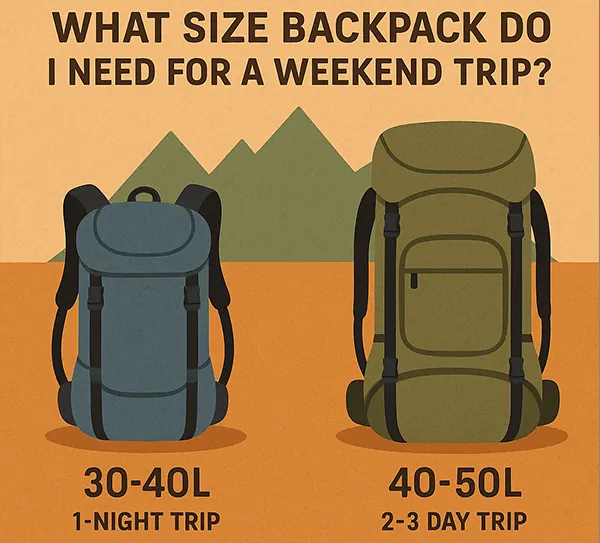
If you find that your backpack is too heavy, shift the weight to your suitcase. If your suitcase is full, wear your heaviest items—such as a coat or boots—onto the plane to save space and reduce the total weight of your luggage. Should a gate agent question your bag size, politely show them that the bag fits under the seat, as this is the primary requirement for a personal item.
Frequently Asked Questions
Does my backpack count as a carry-on?
No, most airlines treat a backpack as a personal item, which is distinct from a carry-on. You’re typically allowed one of each. However, if your backpack is exceptionally large, the airline may count it as your carry-on, meaning you wouldn’t be allowed to bring a suitcase as well. Always check your specific ticket type before heading to the airport.
Can I bring a laptop bag too?
If you already have a backpack and a carry-on, a laptop bag might count as an extra item. Most airlines allow only two items total. To avoid issues, place your laptop inside your backpack. This ensures you only have two distinct pieces of luggage, keeping you within the standard limits of almost every commercial airline carrier.
What happens if my bag is too big?
If your backpack exceeds the dimensions for a personal item, the airline may force you to check it at the gate. On many budget airlines, this results in a significant fee. If you’re flying on a basic economy ticket, they might even charge you for the carry-on suitcase if you have already used your personal item allowance.
Should I lock my backpack?
Using a TSA-approved lock on your backpack is a good idea if you’re storing valuables inside. However, ensure the lock is easy to open if security needs to inspect your bag. While it adds a layer of security, avoid over-locking your bags, as this can slow you down when you need to retrieve your passport or electronics quickly during the boarding process.
Can I carry a camera bag?
A camera bag is generally considered a personal item. If you’re also carrying a backpack and a suitcase, you’re likely exceeding the two-bag limit. Most travelers in this situation combine their camera gear into their backpack. By using padded inserts, you can protect your equipment without needing a third bag, which helps you avoid extra baggage fees at the boarding gate.
Conclusion
To ensure a smooth travel experience, verify your airline’s specific dimensions on their official website before you leave for the airport, as policies can change seasonally. By keeping your backpack within the personal item size limits and using your suitcase for bulkier items, you can travel with everything you need while avoiding unnecessary stress or extra costs at the gate.