
Yes, you can carry on backpacking backpacks provided they fit within the airline’s specific size and weight constraints for cabin baggage. While most standard travel packs designed for carry-on use will pass through security without incident, the primary hurdle is ensuring your bag doesn’t exceed the dimensions mandated by your carrier. Airlines typically enforce strict limits to ensure that all luggage fits safely in the overhead bins or under the seat in front of you.
Key Takeaways
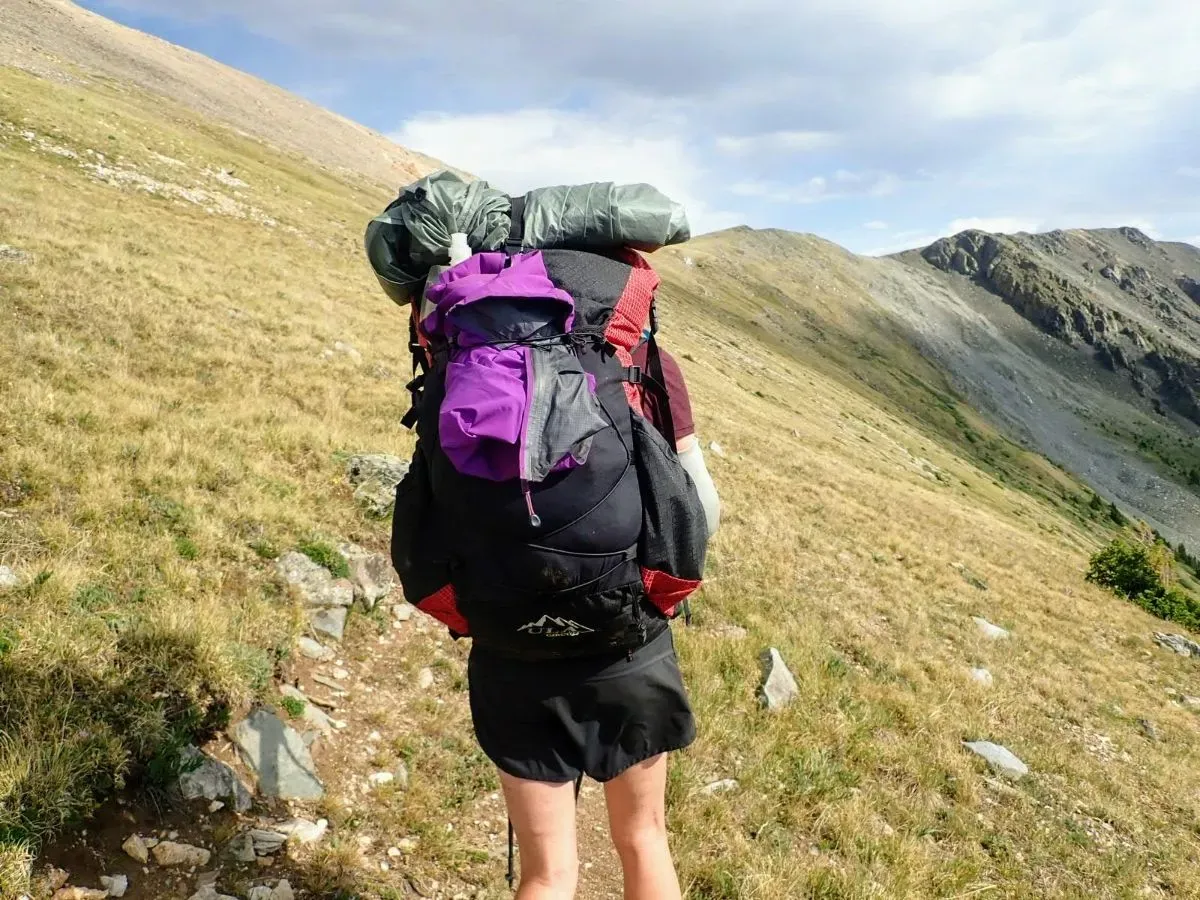
- Measure your pack while fully loaded to get an accurate dimension check.
- Check the TSA carry-on bag size guidelines to understand prohibited items that might flag your bag.
- Remove external gear like trekking poles or carabiners that could be viewed as security risks.
- Use compression straps to shrink your pack’s depth if it’s slightly over the limit.
- Always check the individual airline website, as budget carriers often have smaller allowances.
Can You Carry On Backpacking Backpacks?
You can absolutely bring a backpacking backpack as your primary carry-on, but you must treat it like a suitcase rather than a piece of backcountry gear. The internal frame of many hiking packs is often flexible enough to squeeze into a sizer bin, provided the bag isn’t overstuffed. If your pack has a rigid, non-removable frame that exceeds the airline’s maximum linear inch requirement, you may be forced to gate-check the item, which often incurs a substantial fee.
Standard Carry-On Size Limits
Most international and domestic airlines follow a standard range for carry-on luggage. While specific policies fluctuate, the industry standard is generally between 21 and 22 inches in height, 13 and 14 inches in width, and 8 and 9 inches in depth.
| Airline Class | Typical Height | Typical Width | Typical Depth |
|---|---|---|---|
| Legacy Carriers | 22 inches | 14 inches | 9 inches |
| Budget Airlines | 21 inches | 13 inches | 8 inches |
| Personal Item | 17 inches | 10 inches | 8 inches |
Preparing Your Pack for Security
To ensure a smooth experience at the checkpoint, you must organize your gear to facilitate quick scanning. Avoid packing liquids in large containers; follow the 3-1-1 rule strictly. Ensure your toiletry kit is easily accessible at the top of your bag so you don’t have to dig through your clothes during security screening. Avoid carrying any sharp tools, such as multi-tools or knives, as these are prohibited in the cabin.
Dealing With External Attachments
Backpacking packs are often covered in loops, straps, and external pockets that can snag on the conveyor belt or attract unwanted attention from gate agents. Use a rain cover or a dedicated travel cover to streamline the silhouette of your backpack. This simple trick hides dangling straps and makes the bag appear more compact, which helps in avoiding scrutiny from airline staff who may be looking for oversized bags to force into the cargo hold.
Weight Restrictions and Limits
Weight is just as critical as physical dimensions. Even if your bag fits in the overhead bin, many airlines impose a weight limit for carry-on items. These limits typically range from 15 to 22 pounds. If your pack exceeds this weight, you might be required to check it at the counter. Investing in a digital luggage scale is a smart way to verify your weight before you leave home, preventing the stress of rearranging items at the terminal.
Choosing the Right Backpack
When selecting a bag for air travel, look for features that bridge the gap between hiking utility and travel convenience. A clamshell opening is significantly better than a top-loading design, as it allows you to access your belongings without dumping the entire contents of your pack. Look for models with stowable harness systems, which allow you to zip away the hip belt and shoulder straps, preventing them from catching during the baggage handling process.
| Pack Feature | Benefit for Travel | Essential Status |
|---|---|---|
| Clamshell Opening | Easy organization | Highly Recommended |
| Stowable Straps | Prevents snagging | Necessary |
| Laptop Sleeve | Protects electronics | Optional |
| Compression Straps | Reduces bulk | Necessary |
Common Packing Mistakes
Many travelers fail to account for the “bulge factor.” Even if your empty bag is the right size, a fully packed bag might expand beyond the allowable depth. Don’t overstuff the front pockets, as these add significant depth to the total measurement. Keep your packing cubes organized to ensure the weight is distributed evenly, which makes the bag easier to lift into the overhead bin without hitting other passengers.
Navigating the Gate Check
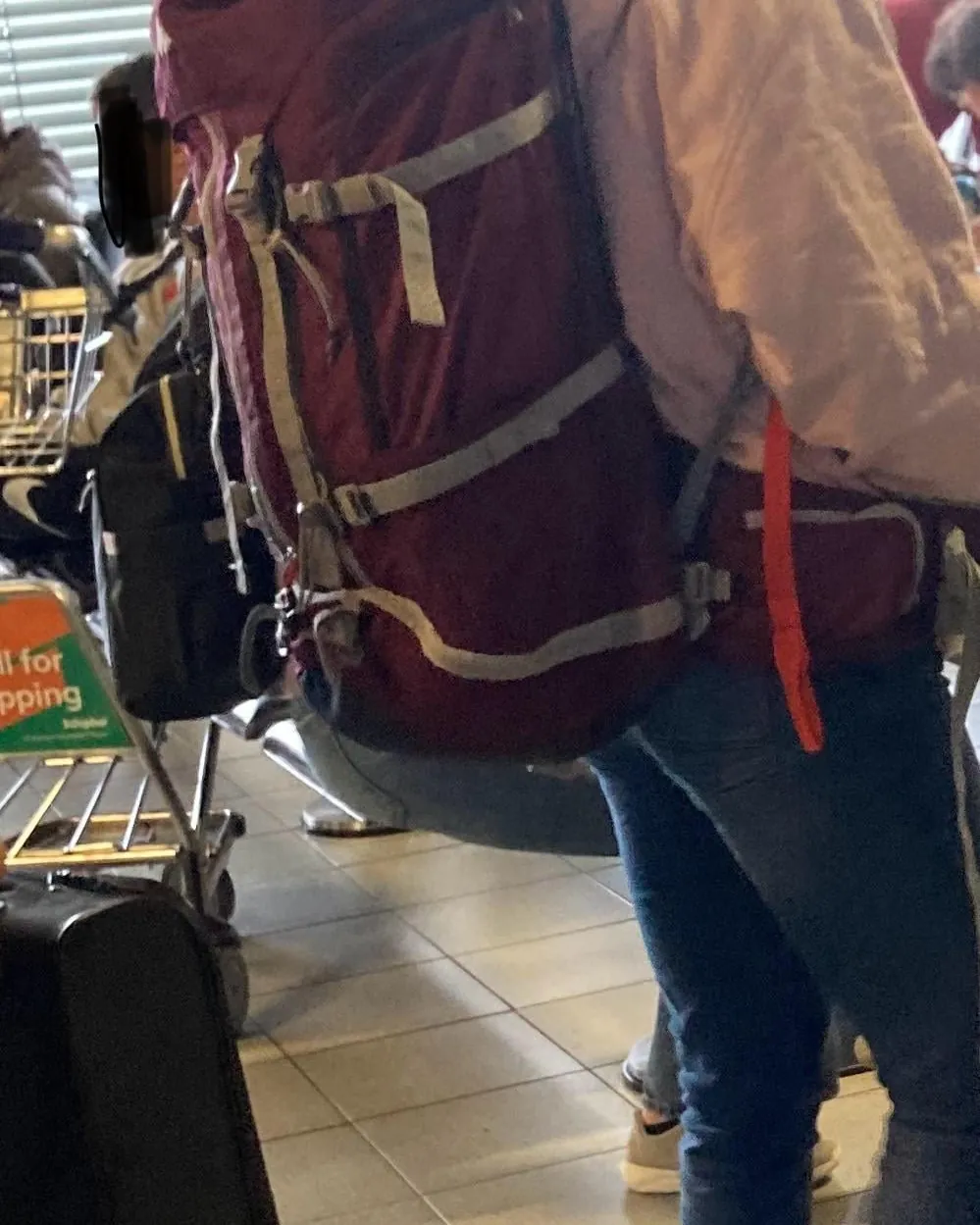
If a gate agent tells you your backpack must be checked, remain calm and polite. Sometimes, the plane is simply full, and they’re looking for volunteers to check bags for free. If you have fragile items like a camera or laptop, remove them immediately before handing the bag over. Always keep your important documents and medications in a small, separate personal item that you can keep under your seat, regardless of what happens to your larger backpack.
Frequently Asked Questions
Will my trekking poles be allowed?
No, standard trekking poles are generally not permitted in carry-on luggage because they’re considered potential impact weapons. You must check these items in your main luggage or rent gear at your destination. If you use collapsible poles, verify if they can fit securely inside a checked bag, or choose to leave them behind to avoid the hassle of checking a separate item.
Does a hip belt count toward size?
Yes, the hip belt is part of the bag’s total dimensions. If your hip belt is bulky or rigid, it can prevent the bag from fitting into the airline’s metal sizer box. Look for packs where the hip belt is removable or can be folded flat against the back panel to minimize the footprint of your pack when you’re going through the gate.
What if my pack is slightly over?
If your pack is only marginally over the limit, compression straps are your best friend. Tighten them as much as possible to pull the fabric closer to the frame. In many cases, if the bag looks compact and you can lift it into the bin without assistance, gate agents won’t bother measuring it. Avoid drawing attention to your bag by keeping it close to your body.
Can I bring a dry bag?
Yes, you can bring a dry bag as part of your carry-on, but ensure it doesn’t contain prohibited items. Dry bags are excellent for organizing clothing or protecting electronics. Since they’re flexible, they’re easy to compress, making them perfect for fitting into tight spaces in the overhead bin. Just ensure the roll-top closure is secure so your belongings don’t spill out during transit.
How do I protect my pack?
To protect your backpack from scuffs or broken buckles, consider using a dedicated flight duffel or a heavy-duty trash bag as a temporary cover. This adds a layer of protection against dirt and conveyor belt grease. If you plan on traveling frequently with your backpacking gear, investing in a high-quality, purpose-built travel cover will save your expensive harness system from unnecessary wear and tear.
Conclusion
Taking your backpacking gear on a plane is a straightforward process when you prioritize a compact, organized approach. Before heading to the airport, double-check your airline’s specific size requirements and weigh your pack to ensure you stay within the limits. By streamlining your gear and securing loose straps, you can confidently navigate the terminal and enjoy a seamless transition from the city to the trail.