
Yes, you can absolutely bring both a carry-on bag and a personal item like a backpack on the vast majority of commercial flights. Most airlines allow passengers to board with one piece of luggage that fits in the overhead bin and a smaller bag that must fit securely underneath the seat in front of them. Understanding these dual-item policies is the most effective way to maximize your packing capacity while avoiding surprise gate-check fees during the boarding process.
Key Takeaways
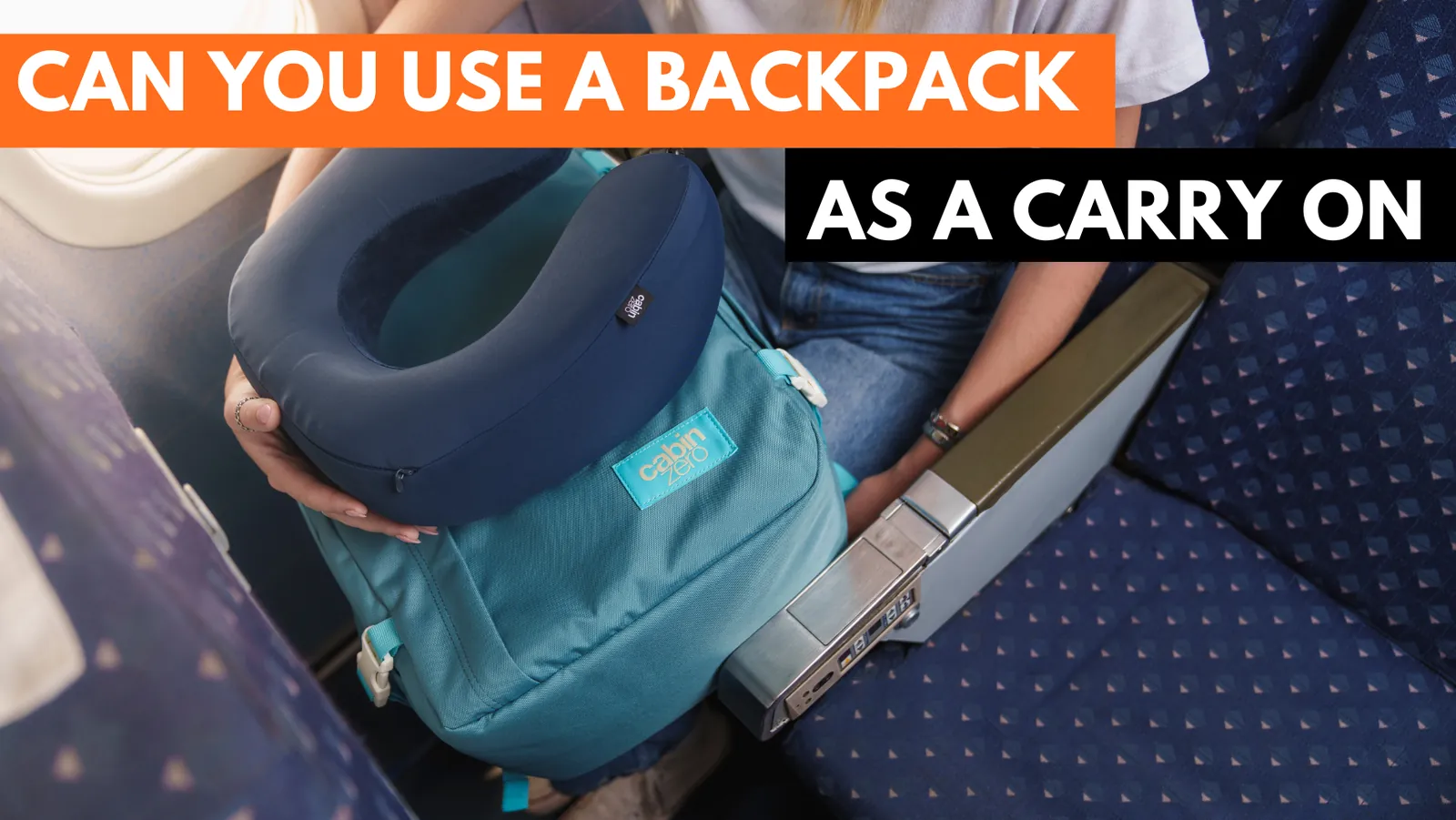
- Standard policies permit one carry-on plus one personal item for most travelers.
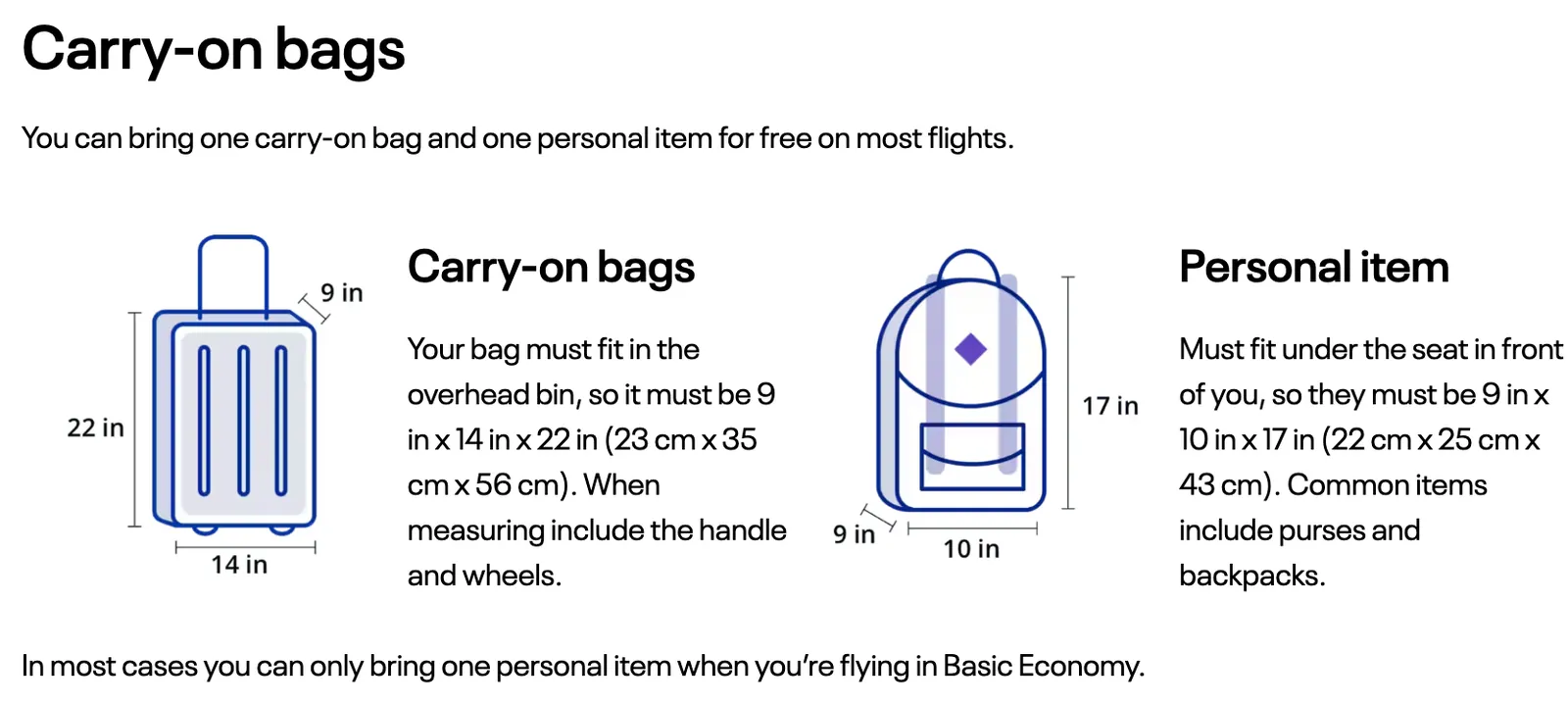
- Your personal item must fit underneath the seat directly in front of you.
- Weight limits for carry-on bags typically range from 15 to 35 pounds.
- Basic Economy tickets on some carriers may restrict you to only one item.
- Always verify specific airline dimension requirements before heading to the airport.
Can You Bring A Carry On And A Backpack?
The short answer is yes, provided your backpack qualifies as a “personal item.” While a carry-on suitcase is designed for the overhead compartment, your backpack should be sized to stow beneath the seat. This combination is standard across major carriers, allowing you to keep essential electronics, documents, and medications within reach throughout your journey.
Defining Your Personal Item
A personal item is defined by its ability to fit into the restricted space located under the seat in front of you. This category commonly includes items such as a laptop bag, a small daypack, or a large purse. If your backpack is oversized or framed, it might be classified as a carry-on, which could force you to gate-check your suitcase if the overhead bins reach full capacity.
| Item Type | Standard Location | Typical Size Limit (Inches) |
|---|---|---|
| Carry-on Suitcase | Overhead Bin | 22 x 14 x 9 |
| Personal Backpack | Under Seat | 18 x 14 x 8 |
| Large Hiking Pack | Overhead Bin | 24 x 16 x 10 |
Checking Airline Specific Rules
Every airline maintains its own set of rules regarding baggage dimensions and weight. While many carriers allow a generous allowance, others—especially low-cost budget airlines—may charge a premium for anything beyond a single small bag. You should always consult the TSA carry-on baggage guidelines to ensure your chosen items comply with federal security regulations regarding prohibited materials.
Warning: Always confirm your specific ticket class, as “Basic Economy” fares on major airlines often prohibit the use of the overhead bin entirely, limiting you to just one personal item that fits under the seat.
Essential Packing Strategies
To manage two bags effectively, organize your belongings by frequency of use. Place items you need during flight—such as headphones, chargers, and snacks—inside your backpack. Keep your bulky items, extra clothing, and shoes in the carry-on suitcase. This strategy prevents you from needing to stand up and access the overhead bin while the plane is in motion or during taxiing.
Managing Weight And Balance
Even if you have the space, you must consider the weight of your gear. Carrying two heavy bags through a large terminal can cause physical strain. Aim to keep your total load manageable, as you may need to move quickly between gates or navigate crowded boarding ramps. Distribute heavy items like books or camera equipment evenly to keep your backpack comfortable on your shoulders.
| Strategy | Benefit | Best For |
|---|---|---|
| Packing Cubes | Compression | Organizing clothes |
| Tech Organizer | Accessibility | Cables and chargers |
| Rolling Suitcase | Ergonomics | Heavy heavy items |
Selecting The Right Backpack
Not all backpacks are created equal for air travel. A travel-specific backpack with a dedicated laptop sleeve and a pass-through luggage strap is ideal. The pass-through strap allows you to secure your backpack onto the handle of your rolling carry-on, effectively turning two bags into one stable unit while you walk through the airport.
- Osprey Farpoint 40 (often used as a carry-on)
- Timbuk2 Authority Laptop Backpack
- Aer Travel Pack 3 Small
- Herschel Little America
- Peak Design Travel Backpack
Troubleshooting Common Issues
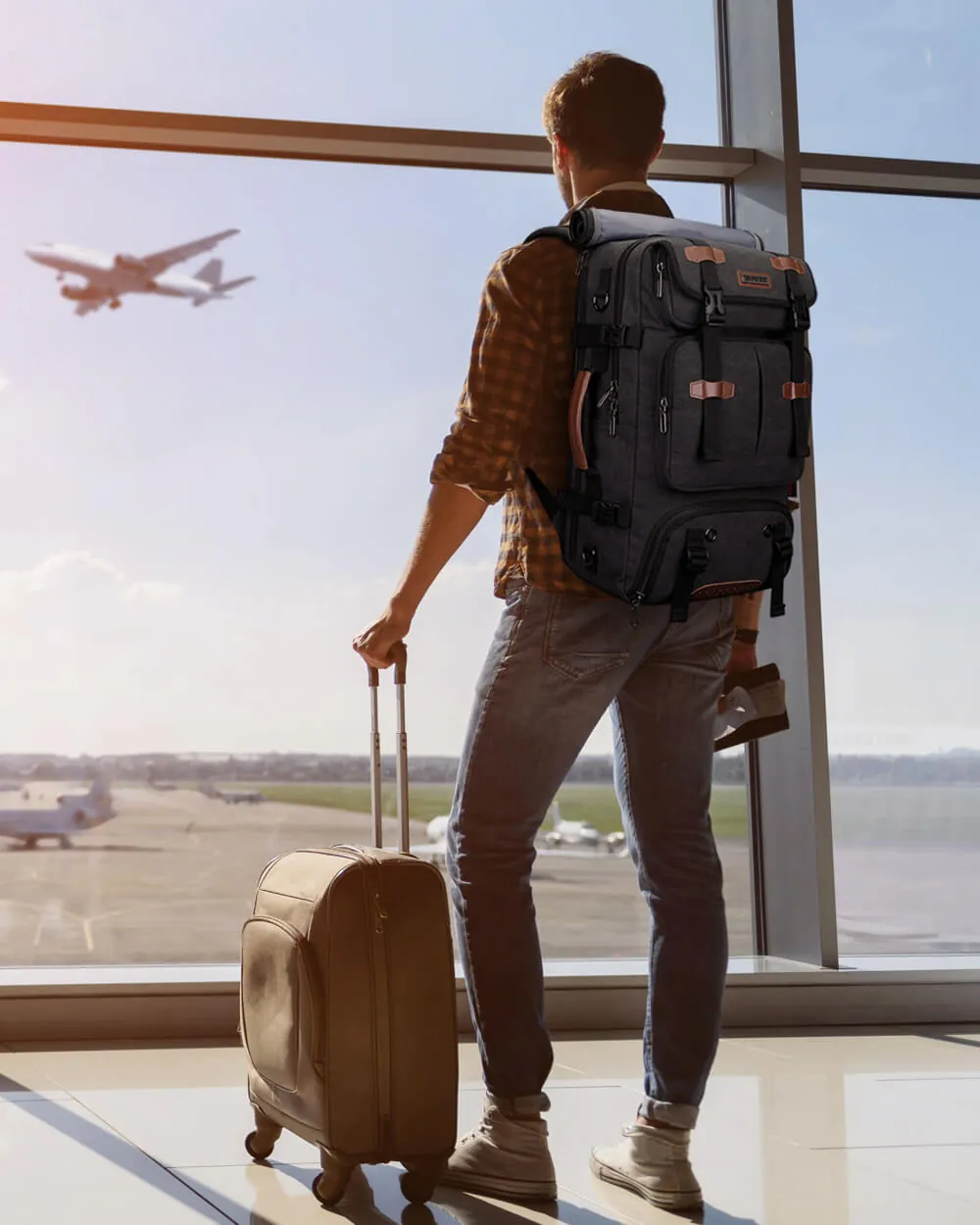
If you find that your backpack is too bulky, consider wearing your heaviest jacket or boots onto the plane to save space and weight. If the overhead bins are full, the flight crew may request that passengers gate-check their carry-on bags. In this scenario, ensure your essential items are already in your backpack so you can quickly remove them before handing over your suitcase.
Pro Tip: If you’re worried about bin space, board as early as your ticket class allows to secure a spot for your carry-on directly above your assigned seat.
Frequently Asked Questions
Does a laptop bag count as my personal item?
Yes, a laptop bag is almost universally classified as a personal item. If you’re already carrying a backpack, you must check if your airline allows a third item or if you must consolidate your laptop into your backpack. Most airlines strictly enforce a “one carry-on plus one personal item” rule, so combining your electronics into your backpack is the safest approach.
Can I bring a pillow on the plane?
Most airlines allow a travel pillow as an additional item beyond your carry-on and personal item. However, this policy varies by carrier. Some budget airlines may count a large pillow as a personal item if it isn’t specifically exempted. It’s best to attach your travel pillow to the outside of your backpack to avoid it being counted as a separate piece of luggage.
What happens if my bag is slightly too large?
If your bag exceeds the dimensions, the gate agent may force you to gate-check it. This often incurs a fee, especially on budget airlines that charge for checked bags. If the flight is full, they may check it for free, but you risk losing access to your belongings until you reach your final destination. Always measure your bags before leaving home to avoid this uncertainty.
Are there weight limits for personal items?
While many airlines don’t weigh personal items, they do have weight limits for carry-on luggage, which typically range from 15 to 35 pounds. If your backpack is exceptionally heavy, a gate agent might ask you to weigh it. It’s wise to keep your backpack under 15 pounds to ensure you can easily lift it into the space beneath the seat without assistance.
Can I bring a duty-free bag?
Many airlines allow a duty-free shopping bag in addition to your standard carry-on and personal item. However, this is at the discretion of the gate agent and the specific airline’s policy. If you plan to shop at the airport, try to pack your personal item loosely so you can fit your duty-free purchases inside your backpack before boarding the aircraft.
Conclusion
Ensure your backpack is packed with all your high-value electronics and essential medications, as these should never be placed in a checked bag. Before you head to the airport, double-check your airline’s mobile app for the most current baggage dimensions specific to your flight. Safe travels on your upcoming trip!