
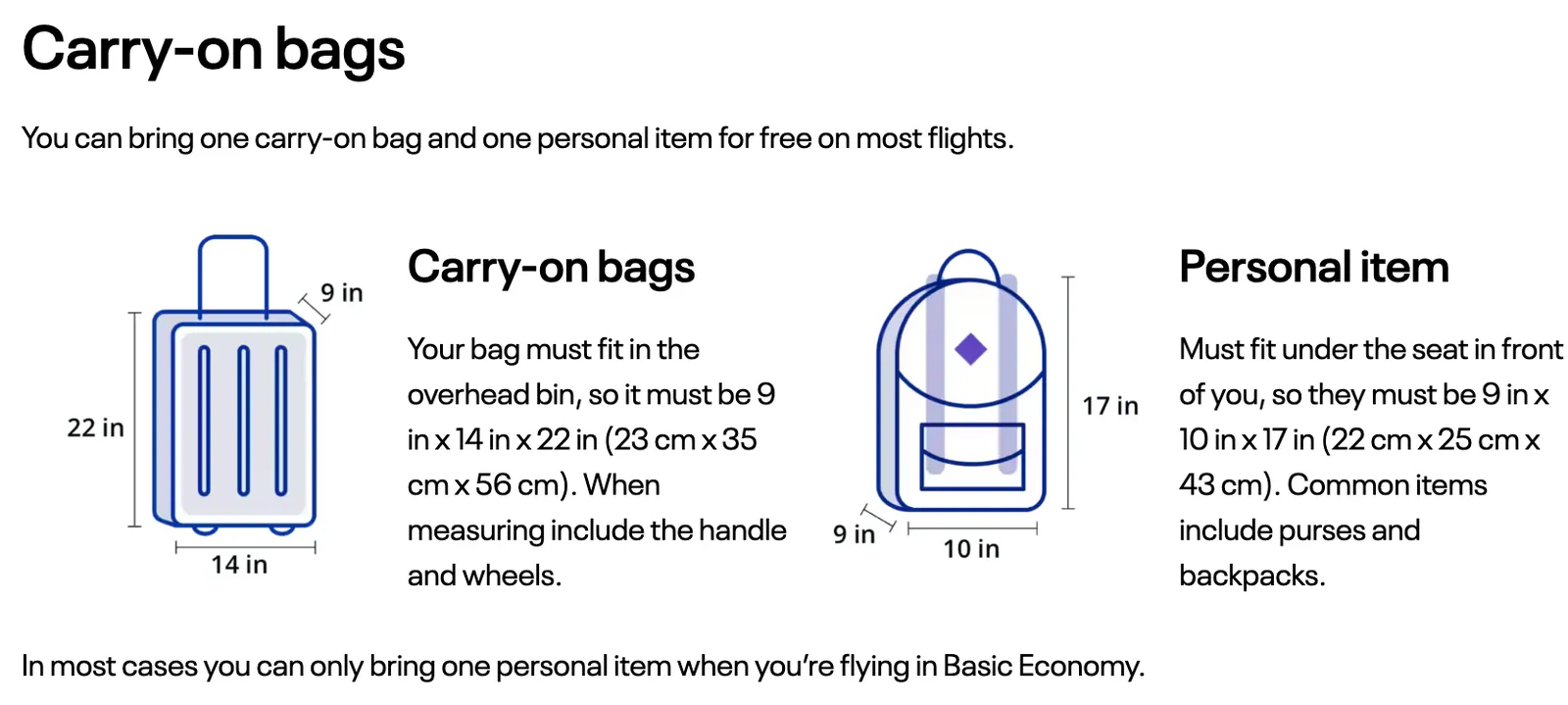
Yes, you can bring a backpack and a carry-on bag on almost all commercial flights, provided you adhere to specific airline policies regarding total piece counts and size dimensions. Most major carriers permit one standard carry-on suitcase and one smaller personal item, such as a backpack, to be stowed in the cabin. The primary constraint is that the backpack must fit entirely under the seat in front of you, while your carry-on suitcase is designed for the overhead bin storage compartment.
Key Takeaways
- Confirm your specific airline’s baggage allowance before arriving at the airport gate.
- Ensure your personal item backpack fits easily beneath the seat in front of you.
- Measure your carry-on suitcase to verify it meets the airline’s maximum height and width limits.
- Keep essential medications, travel documents, and electronic devices in your backpack for quick access.
- Check weight limits, as some carriers have a combined weight restriction for carry-on baggage.
Can You Bring a Backpack and Carry-On?
Most domestic and international airlines categorize cabin luggage into two distinct groups: the carry-on bag and the personal item. A backpack typically qualifies as your personal item, meaning it’s allowed in addition to a standard wheeled carry-on suitcase. The key is ensuring that the backpack doesn’t exceed the size requirements set by your specific airline. If your backpack is oversized, the gate agent may force you to check it, which often incurs a substantial fee.
Standard Size and Weight Limits
While policies vary, most airlines follow a general standard for cabin luggage dimensions. Your carry-on suitcase should generally be no larger than 22 x 14 x 9 inches, including wheels and handles. Your backpack, serving as your personal item, should be smaller and capable of sliding under the seat. According to TSA carry-on baggage guidelines, you must ensure that your items pass through the security screening process efficiently.
| Item Type | Standard Size Range | Typical Weight Limit |
|---|---|---|
| Personal Item | 16-18″ x 10-12″ x 6-8″ | 10-15 lbs |
| Carry-On Bag | 20-22″ x 13-14″ x 8-9″ | 20-35 lbs |
Packing Your Two-Bag Setup
To maximize your efficiency, pack your heavy travel gear in the wheeled suitcase and your essential daily items in the backpack. By keeping your laptop, power banks, and chargers in the backpack, you avoid digging through your overhead luggage during the flight.
Pro Tip: Always pack a change of clothes in your backpack just in case your carry-on suitcase must be gate-checked due to limited overhead bin space.
Choosing the Right Backpack
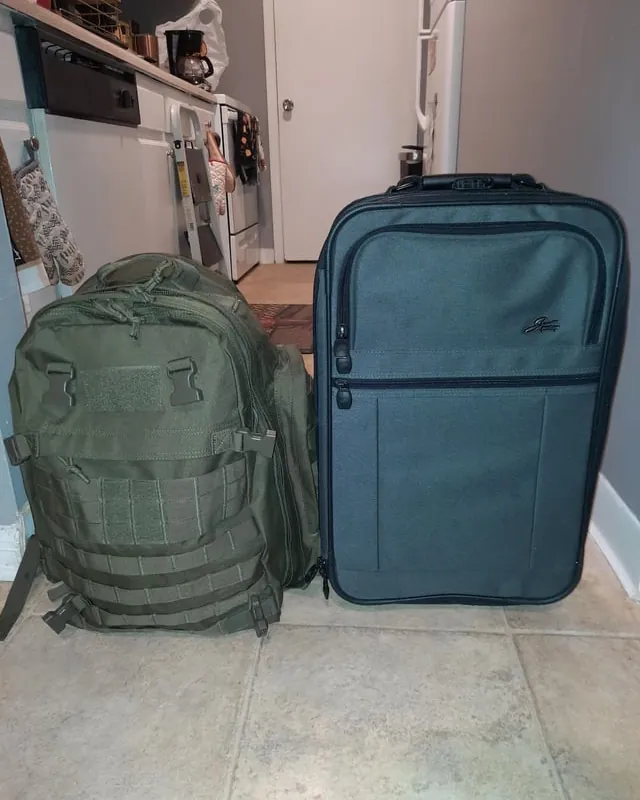
Not all backpacks are suitable for air travel. A dedicated travel backpack with a laptop sleeve is significantly more functional than a standard school bag. Look for models from brands like Osprey, Patagonia, or Timbuk2 that feature ergonomic straps and weather-resistant materials. A structured travel bag will protect your electronics better than a flimsy, unpadded alternative.
Managing Overhead Bin Space
The biggest challenge with two bags is finding space in the overhead bin. Because many passengers now travel with carry-on luggage to avoid checked bag fees, bins fill up quickly. If you board in a later group, flight attendants might require you to gate-check your carry-on suitcase. Always keep your valuable personal items in the backpack that stays with you at your seat.
Strategic Packing for Efficiency
| Strategy | Benefit |
|---|---|
| Compression Cubes | Saves significant space in suitcases |
| Tech Organizers | Prevents tangled cables in backpacks |
| Wear Bulky Items | Reduces weight in your carry-on |
Avoiding Extra Airport Fees
Airlines are increasingly strict about baggage policies, especially on budget carriers. If you’re flying with a low-cost airline, be aware that they may charge for any bag that doesn’t fit into their specific sizer box. Always weigh your bags before leaving home to avoid surprise baggage charges at the check-in counter.
Warning: Never attempt to hide a third bag inside your carry-on, as gate agents often catch this during the boarding process, leading to mandatory check-in fees.
Handling Security Screening Quickly
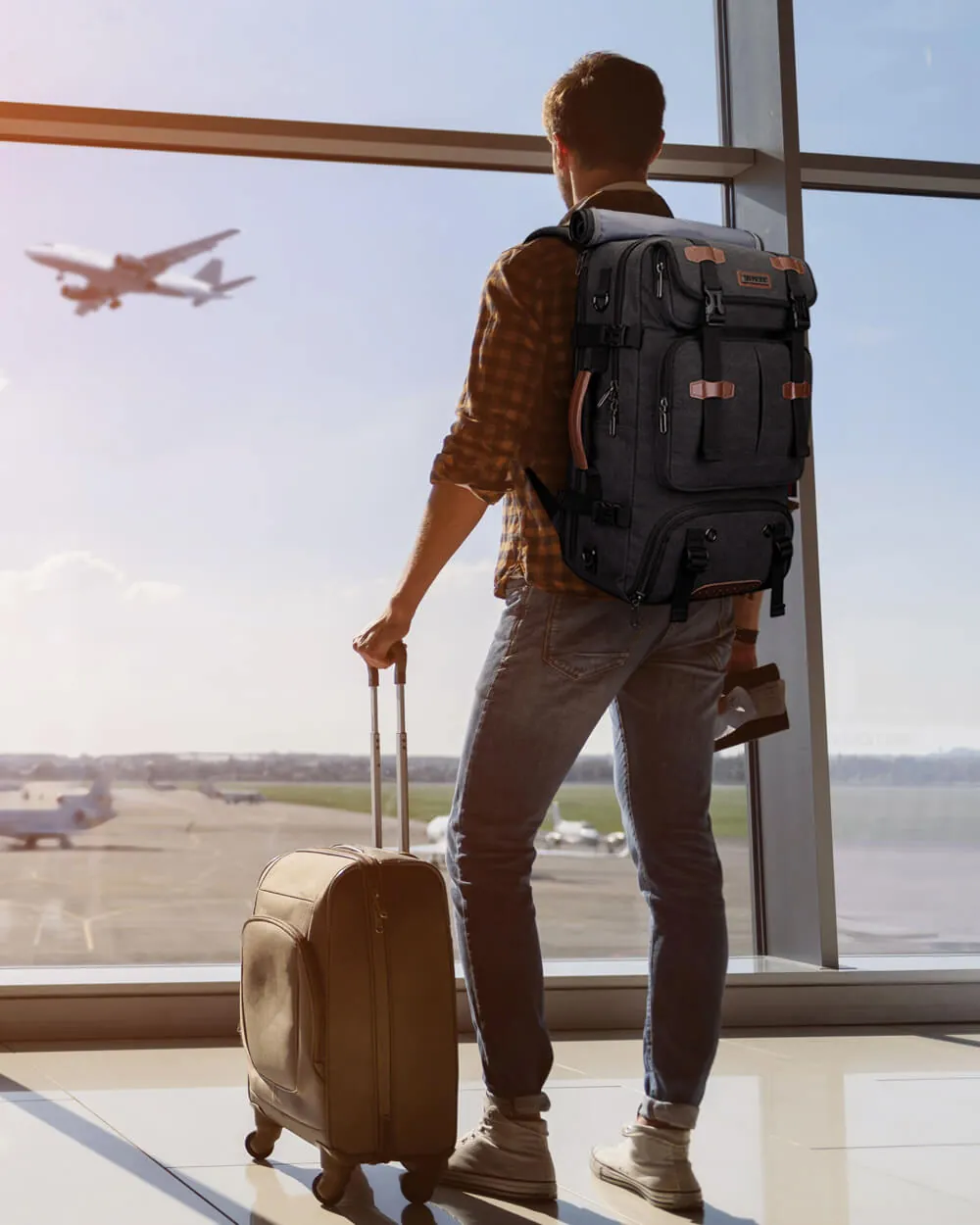
Security lines move faster when you’re organized. Place your laptop in an easily accessible pocket of your backpack so you can remove it quickly if required. Keep your liquids baggie near the top of your carry-on to avoid dumping out your clothes at the security checkpoint. Being prepared reduces stress for both you and the TSA officers.
Frequently Asked Questions
Does a backpack count as a carry-on?
Most airlines count a backpack as your “personal item,” not your carry-on bag. A carry-on is the larger suitcase stored in the overhead bin, while the personal item is the bag stored under the seat. If your backpack is extremely large, such as a multi-day hiking pack, the airline might count it as your carry-on, meaning you wouldn’t be allowed an additional suitcase.
Can I bring a laptop bag plus a backpack?
Generally, no. Most airlines allow only one personal item. If you bring a dedicated laptop bag, that counts as your personal item. You would then need to pack your backpack inside your carry-on suitcase or pay for an extra bag. Always check if your airline permits a “personal item plus” configuration, though this is rare in economy class.
What happens if my bag is too big?
If your backpack or carry-on exceeds the airline’s size limits, you’ll likely be required to check the bag into the cargo hold. This often results in a fee, which can be quite expensive if paid at the gate. If the flight is full, the airline might check your bag for free, but it’s better to measure your bags beforehand to avoid any uncertainty.
Are there weight limits for backpacks?
While many airlines don’t weigh personal items, some international carriers do have strict weight limits for all cabin bags, often between 15 and 20 pounds. If you’re flying on a budget carrier, check their website for specific weight restrictions. Even if they don’t weigh your bag, a heavy backpack is difficult to carry through the terminal and uncomfortable to store under your seat.
Should I wear my heavy coat?
Yes, wearing your heaviest clothing items, such as a winter coat or hiking boots, is a smart way to bypass strict weight limits for carry-on bags. By wearing these items, you free up valuable space and reduce the total weight of your luggage. This simple trick helps you keep your backpack and carry-on within the required limits without sacrificing necessary gear for your trip.
Conclusion
If you have verified your airline’s specific dimensions for personal items and carry-on suitcases, you’re ready to pack. Start by identifying the most restrictive size limit among your bags, then organize your belongings using packing cubes to ensure everything fits securely. Double-check your flight confirmation email one last time to confirm your baggage allowance before heading to the airport.