
Yes, your backpack can absolutely serve as your carry-on bag, provided it fits within the specific dimensions and weight restrictions enforced by your airline. Most major carriers permit one carry-on item and one personal item, meaning your backpack can function as either depending on its size and how you intend to stow it. Whether you’re flying on a low-cost carrier or a premium legacy airline, the primary goal is ensuring your bag doesn’t exceed the allotted space in the overhead bin or underneath the seat in front of you.
Key Takeaways
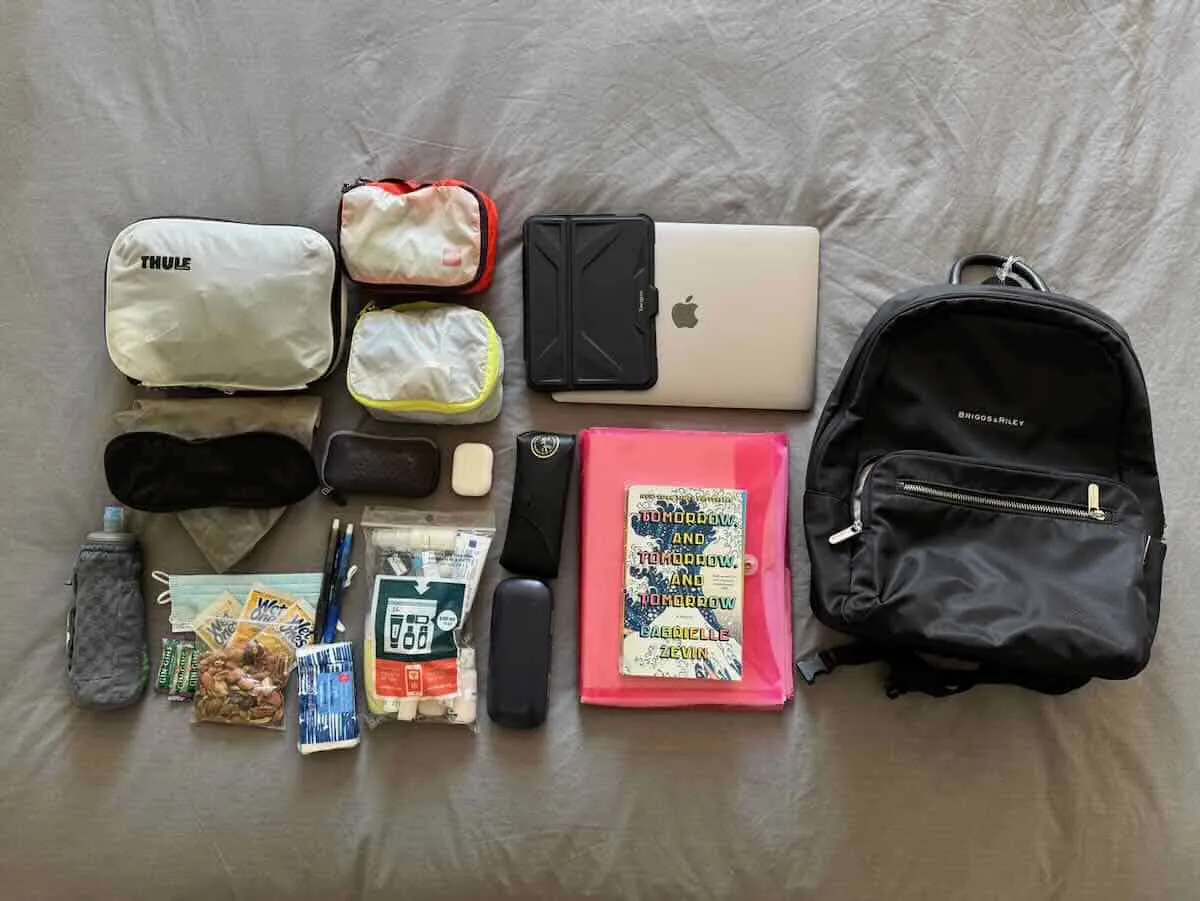
- Check your specific airline’s website for exact dimension limits.
- Measure your backpack when fully packed, not just empty.
- Use compression cubes to maximize your limited internal space.
- Ensure your laptop or tablet is easily accessible for security.
- Always keep essential medications and documents in your backpack.
Can My Backpack Be My Carry On?
A backpack can be your primary carry-on if it meets the size requirements for the cabin. Airlines generally distinguish between a “carry-on” (stowed in the overhead bin) and a “personal item” (stowed under the seat). If your backpack is large, it counts as your carry-on.
If it’s compact, it often counts as your personal item, allowing you to bring a separate rolling suitcase as your carry-on. Always verify your ticket type, as some “Basic Economy” fares restrict passengers to only a personal item.
Airline Size and Weight Constraints
Most airlines set strict limits to ensure safety and cabin efficiency. While domestic US carriers like Delta or American Airlines have relatively generous policies, budget airlines like Spirit or Frontier strictly enforce smaller personal item dimensions. Always weigh your bag, as some international carriers cap carry-on weight between 15 and 22 pounds.
| Airline Class | Personal Item (Inches) | Carry-On (Inches) |
|---|---|---|
| Budget Carrier | 18 x 14 x 8 | 22 x 16 x 10 |
| Legacy Carrier | 17 x 10 x 9 | 22 x 14 x 9 |
| International | 16 x 12 x 6 | 21 x 15 x 8 |
Choosing the Right Travel Backpack
Not all bags are created equal for air travel. A dedicated travel backpack usually features a clamshell opening, which acts like a suitcase for easier packing. Look for features like padded laptop sleeves and external water bottle pockets. Models from brands like Osprey, Peak Design, and Cotopaxi are specifically engineered to maximize the legal carry-on envelope while maintaining comfort during long treks through airport terminals.
Organizing Your Gear for Security
Photo: www.reddit.com on Google
Security checkpoints are the biggest hurdle for backpack travelers. If your bag is cluttered, you’ll likely be asked to unpack it. Keep your electronic devices and clear bags containing liquids in the outermost pockets. This allows you to breeze through the metal detector without holding up the line.
| Item Category | Packing Strategy |
|---|---|
| Toiletries | Use TSA-approved 3.4oz containers |
| Electronics | Keep cables in a dedicated pouch |
| Clothing | Use roll-fold or compression cubes |
| Documents | Store in a secure, hidden pocket |
Is Your Backpack Too Large?
If your backpack bulges significantly, it may not fit into the airline’s metal sizer box. If a gate agent determines your bag is too large, you might be forced to gate-check your bag, which often incurs a hefty fee at the boarding gate. To avoid this, don’t overstuff the front pockets, as this adds unnecessary depth. If your bag looks oversized, try to compress it by tightening the side straps before you reach the gate.
Warning: Never attempt to board with an oversized bag assuming the flight attendant won’t notice; gate agents are trained to spot non-compliant luggage during the boarding process.
How to Pack for Efficiency
Weight distribution is vital for travel comfort. Place your heaviest items, such as shoes or thick books, near the center of the bag, closest to your back. This prevents the bag from pulling your shoulders backward. Use packing cubes to separate clean clothes from dirty ones, as this keeps your backpack organized throughout your entire trip.
Pro Tip: If you’re worried about weight, wear your heaviest shoes and jacket onto the plane to save precious capacity in your backpack.
Essential Items to Include
Photo: www.reddit.com on Google
Always keep your high-value and essential items inside your backpack rather than in checked luggage. This includes passports, cash, expensive cameras, and necessary prescription medications. If your checked luggage is delayed or lost, having these items in your backpack ensures you remain prepared. Never pack lithium batteries in a checked bag, as these are strictly prohibited for fire safety reasons.
Frequently Asked Questions
Will my backpack fit under the seat?
Most standard-sized backpacks fit under the seat in front of you, provided they aren’t overstuffed. If you have a large 40-liter hiking pack, it will likely be too long. Always check if your specific seat has an entertainment box under it, as this can reduce available foot space.
Can I bring a backpack and a carry-on?
Yes, most airlines allow one carry-on and one personal item. Your backpack can be your personal item if it’s small enough to fit under the seat. If you have a large travel backpack, it will count as your carry-on, meaning you can’t bring a second large suitcase for the overhead bin.
Does a laptop count as a personal item?
Usually, a laptop is considered part of your personal item allowance. Most airlines allow you to bring a backpack containing a laptop plus a larger carry-on bag for the overhead bin. However, some very strict budget airlines may count a laptop bag as a separate item, so always read the fine print on your boarding pass.
What if my backpack is slightly over the limit?
If your bag is only an inch over, it might pass unnoticed. However, if it’s clearly too large, you risk a gate-check fee. If you’re worried, try wearing your heaviest items to slim down the profile of the bag. If you must check it at the gate, be prepared to pay the airline’s standard baggage fee.
Are there specific backpacks for flying?
Yes, look for “carry-on compliant” backpacks. These are designed to match the maximum dimensions allowed by most airlines. They often feature rectangular shapes, which utilize the space in the overhead bin more efficiently than traditional teardrop-shaped hiking backpacks.
Conclusion
Properly preparing your backpack for your next flight will save you both time and money at the airport. By selecting a bag that aligns with your airline’s specific dimension requirements and organizing your belongings for quick security access, you can navigate your travel day with ease. Start by measuring your current bag today to confirm it fits the standard carry-on size.