
Yes, you can carry on a backpack and a bag in most cases, provided your total items fit within the airline’s rules. The specific limit depends on your ticket class and the carrier’s policy. Check your airline’s mobile app or booking confirmation to confirm your exact allowance before heading to the airport.
Can you carry a backpack and a bag
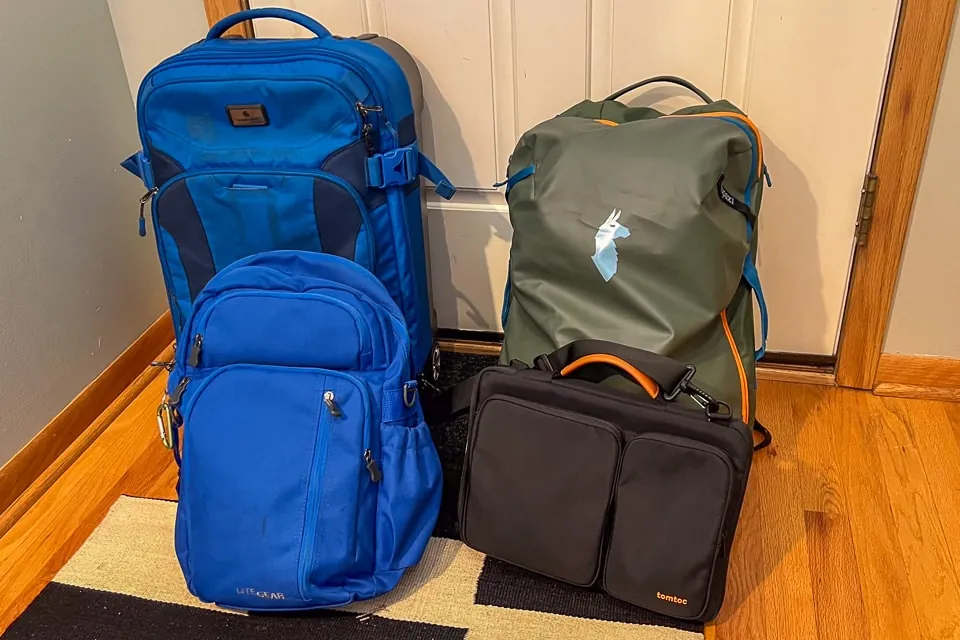
Most airlines allow one primary carry-on bag plus one smaller personal item. A standard backpack usually counts as your personal item if it fits under the seat in front of you. If you have a larger hiking pack, it might count as your carry-on, leaving no room for a second bag.
| Your situation | Answer | Why |
|---|---|---|
| Standard economy ticket | Yes | One cabin bag plus one personal item |
| Basic economy (some carriers) | No | Often limited to one personal item only |
| Flying regional jets | Sometimes | Overhead bins are too small for large bags |
| Traveling with an infant | Yes | Most airlines allow a diaper bag extra |
| Medical equipment needs | Yes | Devices are usually exempt from bag limits |
| International long-haul | Yes | Standard allowance is almost always two items |
What determines your baggage allowance
The primary factor deciding if you can bring two bags is the airline’s classification of “personal items” versus “carry-on luggage.” A personal item must be small enough to slide under the seat, while a carry-on must fit into the overhead bin. If your backpack is large enough to require overhead space, the airline will count it as your primary carry-on, meaning you can’t bring a second bag unless your ticket permits two full-sized items.
Weight limits also vary significantly between carriers. While many US-based airlines don’t strictly weigh carry-on bags, many international carriers enforce a strict limit, often between 7 and 10 kilograms, according to IATA baggage guidance. If you carry two items, their combined weight must stay under the maximum allowed by your specific fare class. If your bags exceed the weight limit, you’ll likely have to check them at the gate. If the total weight is over the limit, check it; if the size is too large, gate-check it.
If you decide to bring two bags
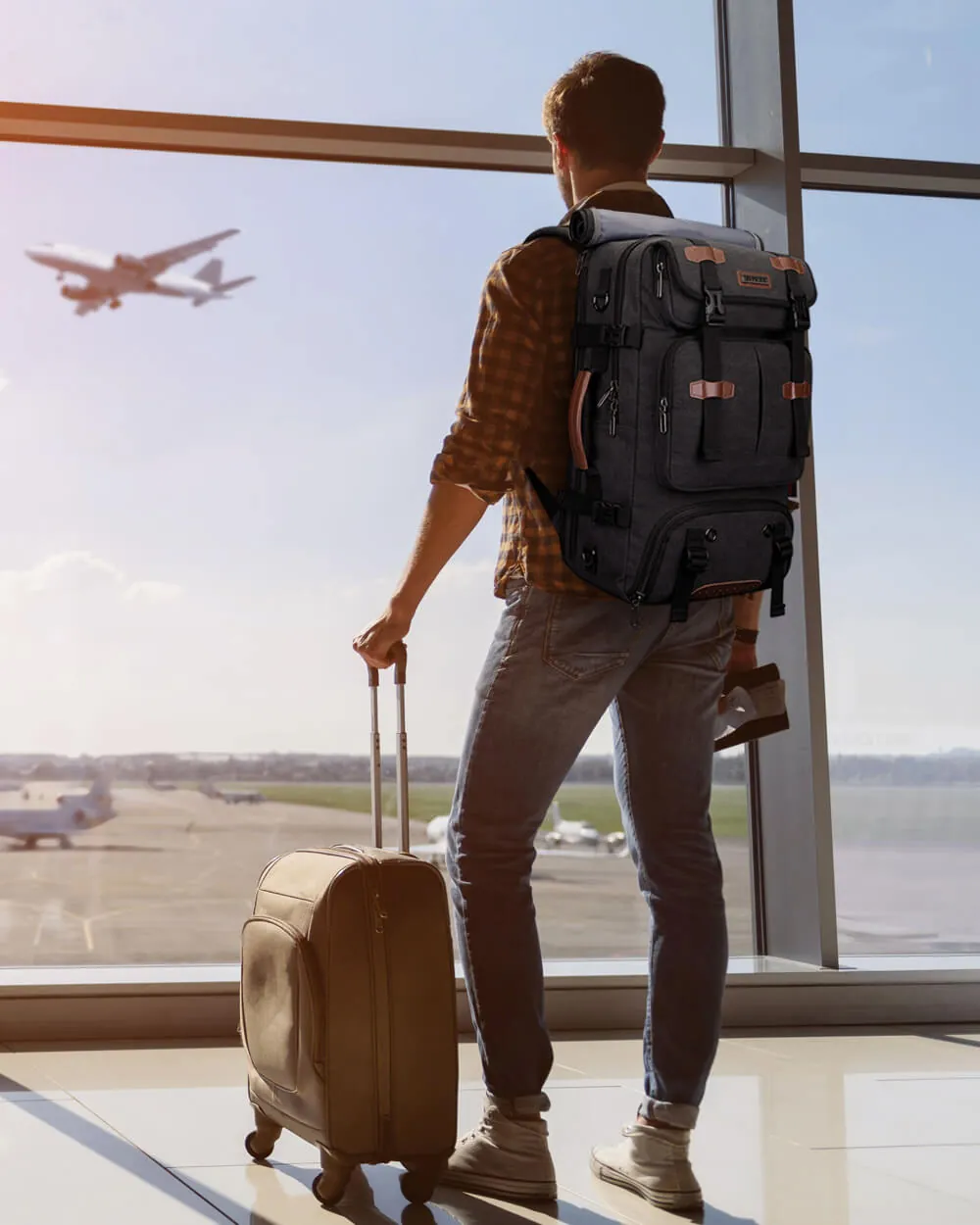
- Measure your items before leaving home to ensure the personal item fits under a standard seat, usually around 18 x 14 x 8 inches.
- Pack heavy items in the bag that will go in the overhead bin to keep the under-seat bag light and accessible.
- Organize your documents in an outside pocket of your smaller bag so you don’t have to open your main luggage at security.
- Verify your ticket class online, as basic economy fares often restrict passengers to only one personal item.
- Check the gate size if you’re flying on a small regional jet, as you may be required to gate-check even standard-sized carry-ons.
The common mistake with bag sizes
People often mistake the size of their backpack for a personal item when it’s actually too large. This forces them to check the bag at the gate, which can be an inexpensive alternative to paying for a checked bag. You avoid this expense by checking the dimensions on your airline’s website while you pack. If the backpack frame exceeds the under-seat dimensions, assume it must go in the overhead bin. This simple check saves you from paying unexpected baggage fees at the boarding gate.
When to seek airline assistance
- Oversized medical devices: If your equipment exceeds standard dimensions, contact the airline 48 hours in advance to avoid boarding delays.
- Fragile instruments: If your bag contains a delicate item, speak with the gate agent early to request a priority stowage.
- Weight disputes: If an agent flags your bag, don’t argue; ask if you can move items to your jacket pockets to meet the weight limit.
- Policy confusion: If the rules on your ticket differ from the website, always defer to the gate agent’s instructions.
Frequently asked questions
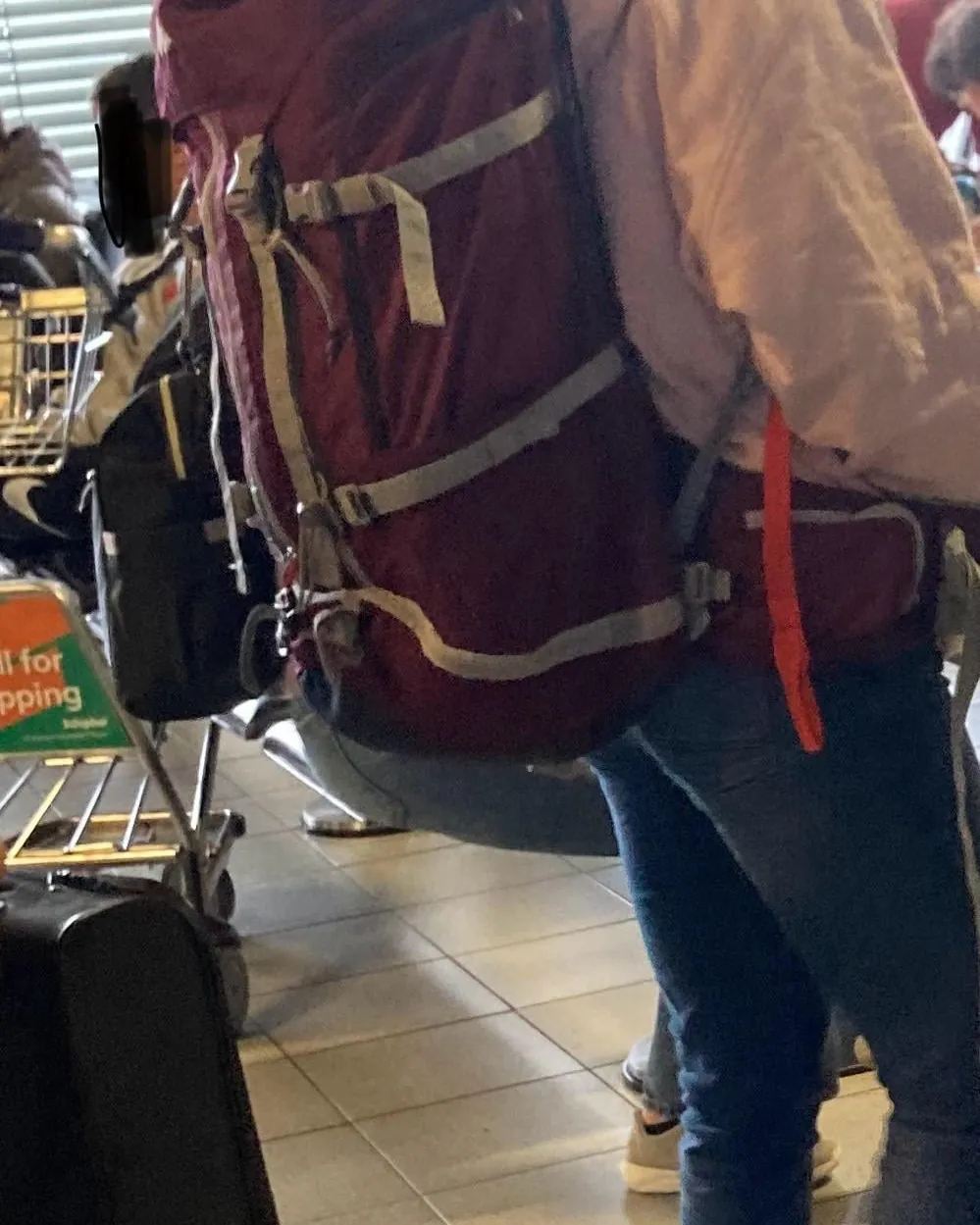
Can I carry on a backpack and a bag?
Yes, you can carry on a backpack and a bag if your airline allows one personal item and one carry-on bag, which is standard for most economy class tickets on major carriers.
Does a backpack count as a carry-on?
Yes, a backpack counts as a carry-on if it’s too large to fit under the seat in front of you, meaning it will occupy your only allowed overhead bin space.
How much do carry-on bags weigh?
Most international airlines set a limit of 7 to 10 kilograms per bag, while many domestic US airlines don’t have a specific weight limit as long as you can lift the bag yourself.
Is my laptop bag considered a personal item?
Yes, a laptop bag is almost always considered a personal item, allowing you to bring it in addition to your primary carry-on backpack or suitcase.
What happens if my bag is too big?
You’ll be required to check the bag at the gate, which often incurs a fee if your ticket doesn’t include checked luggage or if the flight is full.
Does it matter if the bags are different sizes?
Yes, the smaller bag must fit completely under the seat in front of you, while the larger bag must fit within the specific overhead bin dimensions set by the airline.
Can I bring a purse and a backpack?
Yes, you can bring a purse and a backpack, provided the purse is treated as your personal item and the backpack is your carry-on, or vice versa depending on size.
Conclusion
Your first step is to check your airline’s specific dimensions for personal items on their official website. You’ll know you’re ready when both bags meet these size limits, fitting easily into the sizer bins. If your bags are clearly too large, stop packing and prepare to check them.