
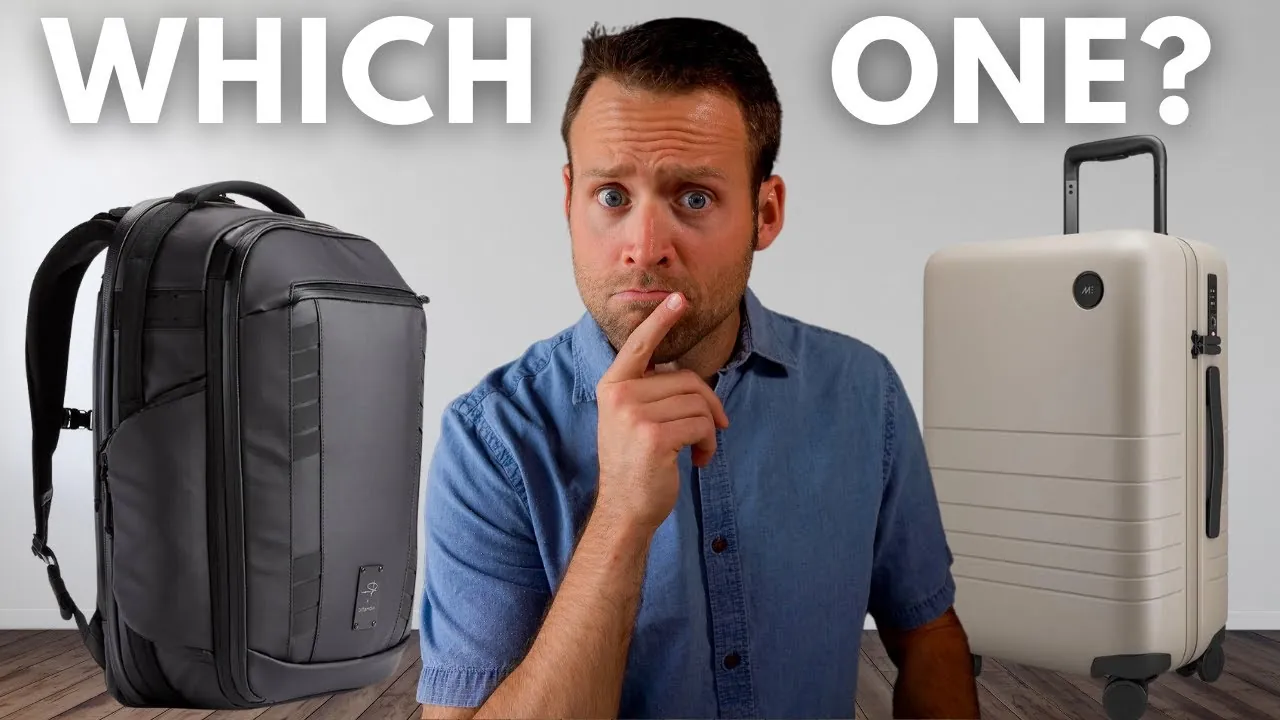
Yes, you’re almost always permitted to bring both a piece of carry-on luggage and a personal item like a backpack onto a commercial flight. Most major airlines allow passengers to carry one standard overhead bin bag and one smaller item that fits under the seat in front of them without incurring additional fees. While policies vary slightly between carriers, this dual-item allowance is the industry standard for domestic and international travel.
Key Takeaways
- Check your specific airline’s baggage policy before heading to the airport to avoid surprise gate fees.
- Ensure your backpack fits entirely under the seat in front of you to comply with personal item rules.
- Measure your carry-on luggage against the airline’s size requirements to ensure it fits in the overhead bin.
- Keep essential medications, travel documents, and electronics in your backpack for easy access during the flight.
- Weight limits for carry-on bags often range from 15 to 22 pounds depending on the specific airline carrier.
Can I Bring Carry On Luggage And A Backpack?
Most travelers are confused by the difference between a “carry-on” and a “personal item.” A carry-on bag is intended for the overhead bin, while a personal item, such as a backpack, laptop bag, or purse, must be small enough to be stowed under the seat. Because these items occupy different storage areas, you’re generally entitled to bring both. However, budget airlines may restrict this, so always verify your ticket type.
Understanding Airline Baggage Allowances
Airlines categorize bags based on size and storage location. Understanding these categories is essential for a smooth boarding process.
| Bag Type | Storage Location | Typical Size Limit (Inches) |
|---|---|---|
| Carry-on Luggage | Overhead Bin | 22 x 14 x 9 |
| Personal Item | Under Seat | 18 x 14 x 8 |
| Checked Bag | Cargo Hold | Varies by airline |
Pro Tip: If you’re flying on a basic economy fare, some airlines may restrict you to only a personal item, meaning you would have to pay extra to bring a larger carry-on bag into the cabin.
Essential Packing Strategy
To maximize your efficiency, pack your heaviest items in your carry-on bag and reserve your backpack for items you need to reach frequently. This includes your passport, headphones, chargers, and snacks. By keeping your essentials in the backpack, you avoid having to rummage through your overhead bag during the flight, which saves space and keeps the aisle clear for other passengers.
Navigating Budget Airline Restrictions
Low-cost carriers often have stricter rules than full-service airlines. Some budget providers like Spirit, Frontier, or Ryanair may charge a fee for an overhead bag while allowing a small personal item for free. Always check the Transportation Security Administration carry-on policy to ensure your items are permitted through the security checkpoint.
Choosing The Right Gear
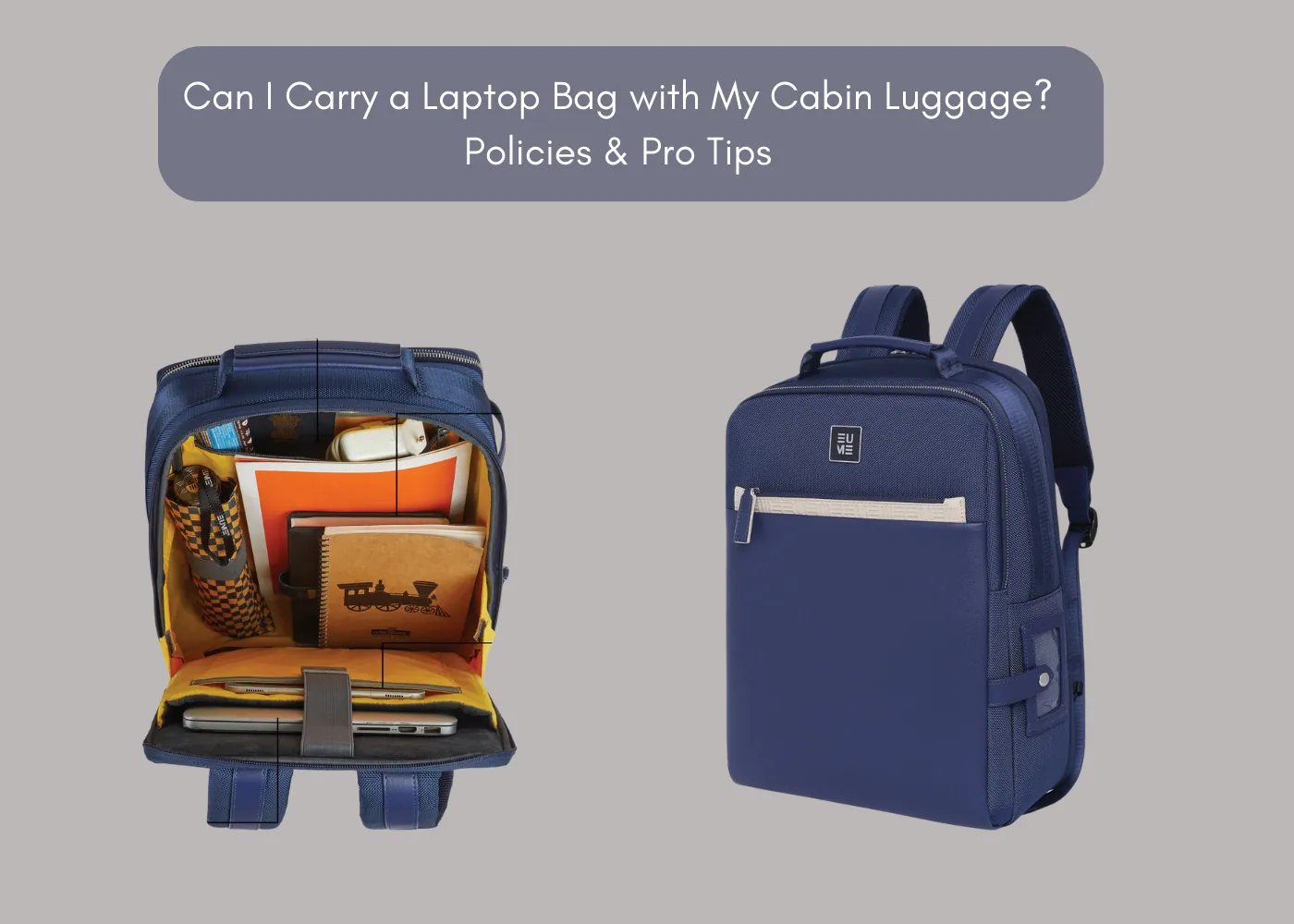
When selecting your luggage, prioritize durability and dimensions. Look for a backpack that features a dedicated laptop sleeve and a carry-on suitcase with four spinner wheels for easier navigation through crowded terminals.
- Osprey Farpoint 40
- Away The Carry-On
- Timbuk2 Authority Laptop Backpack
- Samsonite Freeform Hardside Spinner
Managing Your Weight Limits
Even if you have the right number of bags, you must respect the weight limits set by your airline. While many domestic airlines in the United States don’t weigh carry-on bags, international carriers are much stricter.
| Carrier Type | Typical Carry-on Limit | Typical Personal Item Limit |
|---|---|---|
| Domestic US | 20–35 lbs | No specific limit |
| International | 15–22 lbs | 10–15 lbs |
| Budget | 15–20 lbs | 10–15 lbs |
Warning: If your carry-on bag is deemed too heavy or too large at the boarding gate, the airline may force you to check it into the cargo hold, often for a significant fee.
Troubleshooting Common Airport Issues
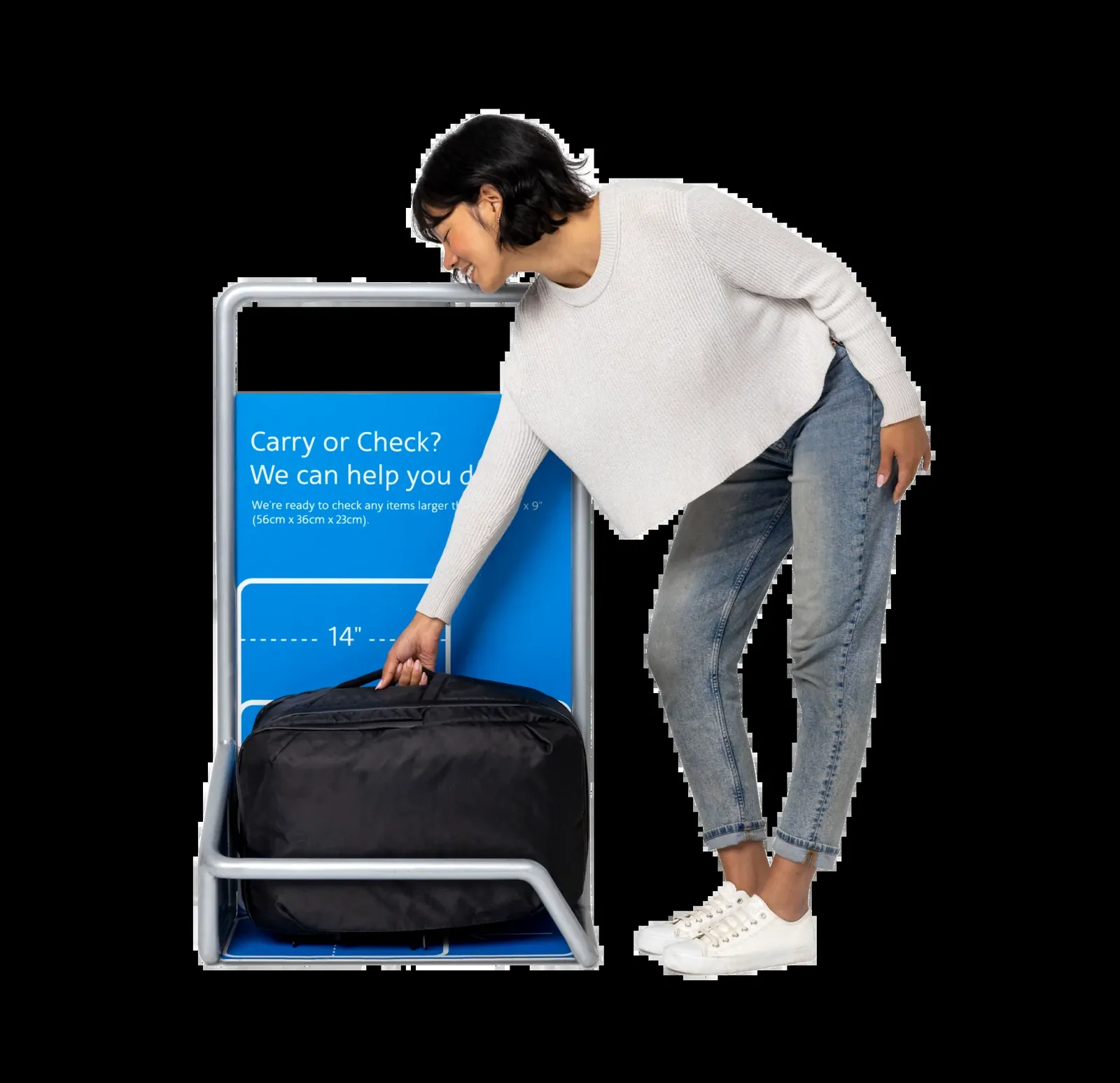
If you find yourself with too many items at the gate, try to consolidate them. If your backpack is too bulky, consider wearing your heaviest jacket or boots to free up space and reduce the overall weight of your carry-on. If you have duty-free items, these are usually considered separate from your baggage allowance, but check with the gate agent to be certain.
Related guides
- Can I Bring a Backpack and a Carry On Luggage? Airline Rules
- Can You Have a Carry On and a Backpack on Your Flight
- Can I Bring a Backpack and Purse on Plane Flights Safely
Frequently Asked Questions
Does a backpack count as my personal item?
Yes, in almost every case, a standard backpack is categorized as a personal item. As long as it can fit under the seat in front of you, it’s permitted alongside your carry-on luggage. If your backpack is exceptionally large, such as a hiking rucksack, the airline may count it as your carry-on bag instead.
What happens if my bag is too big?
If your carry-on exceeds the dimensions for the overhead bin, the airline will require you to gate-check the bag. This often results in a fee, which can range from 30 to 75 dollars depending on the airline. It’s much cheaper to measure your bag at home before leaving for the airport to ensure it meets the standard requirements.
Are laptops allowed in my backpack?
Absolutely. Laptops are considered personal electronics and are encouraged to be stored in your backpack. You’ll need to remove your laptop from your bag during the security screening process at most airports. Keeping your laptop in your backpack during the flight is safer than placing it in the overhead bin where it could be crushed or damaged.
Can I bring a purse and a backpack?
Generally, you’re allowed one personal item. If you carry a purse and a backpack, you must be able to fit the smaller item inside the larger one to count them as a single personal item. Otherwise, the gate agent may ask you to pay an extra fee or check one of the bags because you have exceeded your allotted number of items.
Do weight limits apply to personal items?
While personal items are rarely weighed, they shouldn’t be excessively heavy. Most airlines expect a personal item to weigh between 10 and 15 pounds. If your backpack is packed with heavy equipment or books, it might draw attention from gate agents. Always prioritize your carry-on for heavy items and keep your backpack manageable to avoid any scrutiny during the boarding process.
To ensure your travel day remains stress-free, print your boarding pass and verify your airline’s specific size constraints on their official website before you leave home. Packing light and choosing the correct bag dimensions will prevent unnecessary fees and help you breeze through security without complications. Always keep your essential travel documents in your backpack for quick access throughout your journey.