
Yes, you can absolutely bring a backpacking backpack as a carry-on, provided it fits within the specific size and weight constraints mandated by your chosen airline. While these bags are designed for rugged outdoor utility, they’re frequently used by travelers to navigate terminals and public transit with ease. The primary challenge isn’t the style of the bag, but its physical dimensions when fully loaded.
Key Takeaways
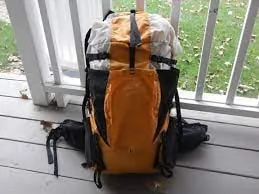
- Confirm your airline’s specific carry-on dimensions before heading to the airport.
- Avoid overstuffing your pack, as bulging side pockets often push bags over size limits.
- Remove external gear like trekking poles or sleeping pads to keep the profile slim.
- Prioritize a pack with a stowable harness to prevent straps from snagging on equipment.
- Always keep essential documents and electronics in a smaller, accessible front compartment.
Can I Bring A Backpacking Backpack?
The short answer is yes, but you must treat your pack like a standard suitcase. Most international and domestic carriers allow a primary carry-on bag and one smaller personal item. If your backpacking pack exceeds the standard dimensions—typically 22 x 14 x 9 inches—you’ll be forced to check it at the gate. Always check the official TSA carry-on luggage guidelines to ensure you aren’t carrying prohibited items that could cause your bag to be flagged at security.
Standard Carry-On Size Limits
Most airlines utilize a metal sizer at the gate to verify dimensions. If your pack is rigid or structured, it might not compress to fit inside these frames. If you’re using a top-loading pack, ensure it isn’t stuffed to the brim, as the height will increase significantly.
| Airline Class | Typical Height | Typical Width | Typical Depth |
|---|---|---|---|
| Domestic Economy | 22 inches | 14 inches | 9 inches |
| Budget Carriers | 21 inches | 13 inches | 8 inches |
| International Long-Haul | 22 inches | 16 inches | 10 inches |
Managing Your Gear Weight
While size is the first hurdle, weight is the silent killer of carry-on plans. Many airlines enforce a weight limit between 15 and 25 pounds for carry-on luggage. Backpacking packs are often heavy even when empty due to their internal frames and suspension systems.
Warning: Always weigh your pack at home using a luggage scale before leaving for the airport to avoid surprise fees at the check-in counter.
Packing Strategies For Success
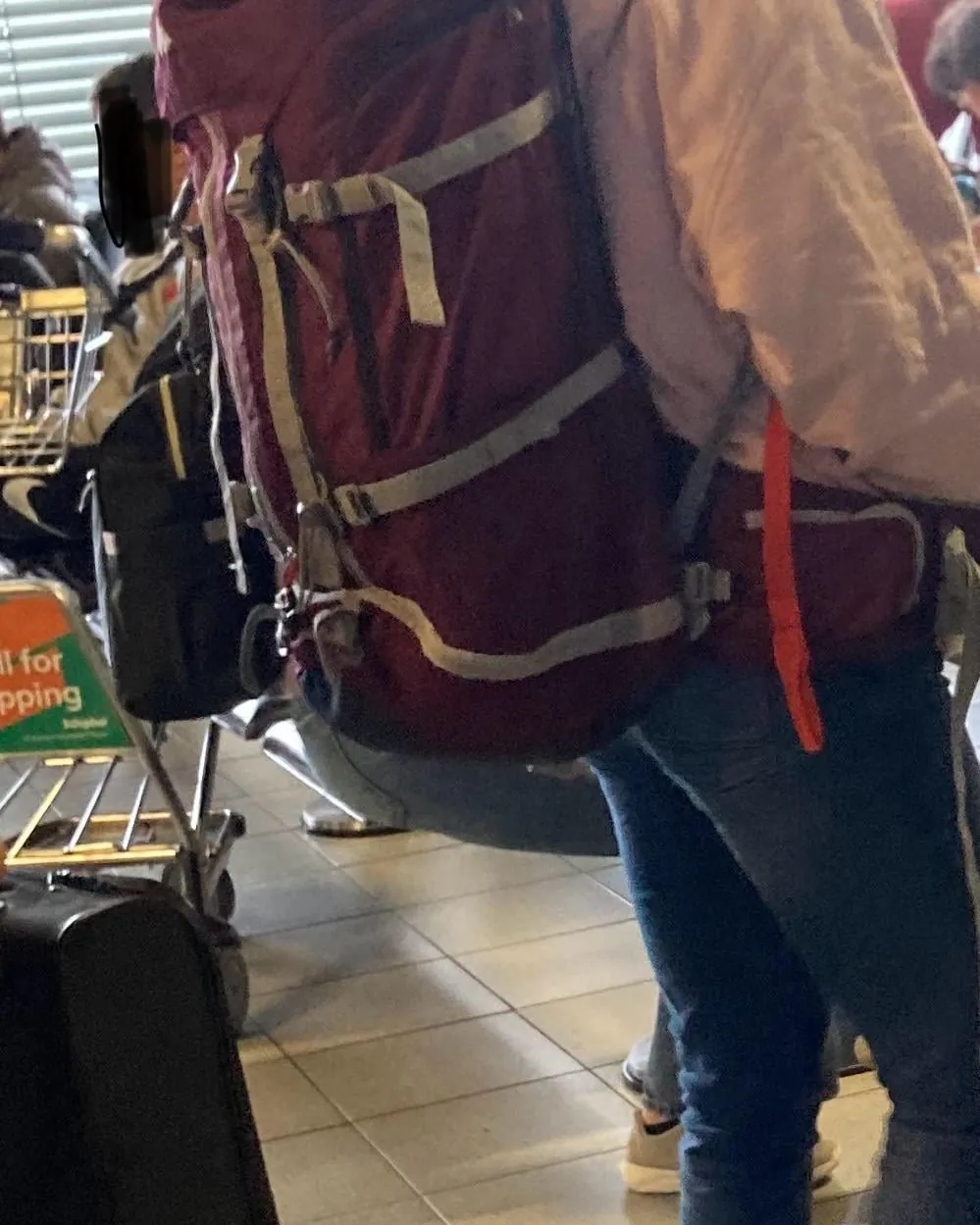
To maximize space, use compression packing cubes to organize your clothing. These allow you to squeeze air out of your garments, reducing the overall volume of your pack. Place heavier items, such as shoes or toiletry kits, closer to the back panel of the pack to shift the center of gravity toward your body, which makes the bag feel lighter and less bulky.
Pro Tip: If your pack has a hip belt that can’t be removed, tuck it behind the back panel or wrap it tightly around the front of the bag to prevent it from catching on the overhead bin latches.
Essential Gear To Remove
Backpacking gear is often incompatible with aircraft safety regulations. Items like trekking poles, multi-tools, or large containers of liquid fuel must be left behind or placed in checked luggage. If you carry a tent, ensure the stakes aren’t sharp enough to be classified as prohibited weapons by security staff.
| Item Type | Carry-on Status | Action Required |
|---|---|---|
| Trekking Poles | Prohibited | Check in or leave home |
| Liquid Fuel Stoves | Prohibited | Empty fuel and clean thoroughly |
| Tent Stakes | Restricted | Check size/sharpness with agent |
| Large Toiletries | Prohibited | Use travel-size containers (3.4oz) |
Choosing The Right Pack
If you’re currently shopping for a bag, look for models designed for travel-specific hiking, which often feature “carry-on compatible” branding. Brands like Osprey, Gregory, and Deuter offer specific lines that include features like zip-away harness covers. These covers protect your shoulder straps and hip belts, ensuring they don’t get damaged by conveyor belts or baggage handling equipment if you’re forced to gate-check the bag at the last minute.
Troubleshooting Security Issues
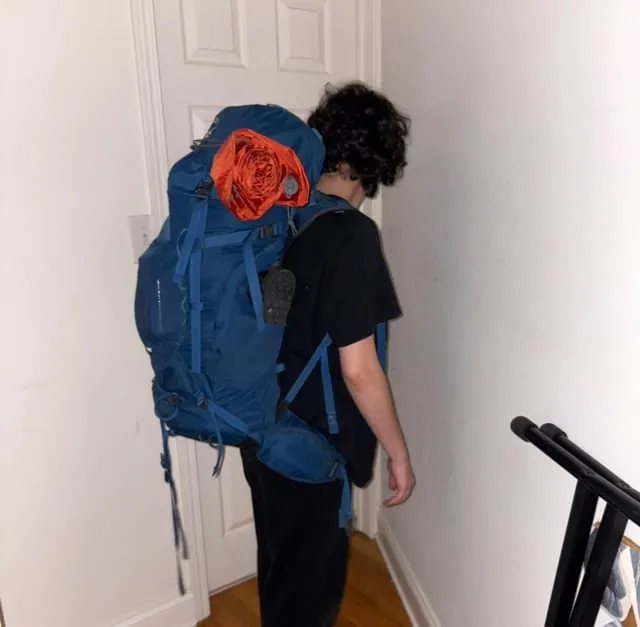
If a security agent stops you, remain calm and explain that the bag is your primary carry-on. If the pack is too tall, try to loosen the load-lifter straps to compress the height of the main compartment. If you’re carrying a laptop, ensure it’s easily accessible in a dedicated sleeve. Removing your electronics quickly will speed up your passage through the screening checkpoint and demonstrate that you’re a prepared traveler.
Frequently Asked Questions
Will my internal frame set off alarms?
No, the metal stays in an internal frame are generally not an issue for airport metal detectors. You’ll be asked to place your bag on the conveyor belt for X-ray scanning, where the frame will be clearly visible to security personnel. You don’t need to worry about the frame triggering an alarm unless you have other prohibited metallic items hidden inside the pack.
Can I bring my camping stove?
You can bring a camping stove only if it’s completely empty and shows no trace of fuel or residue. You must clean the stove thoroughly before your flight to remove any flammable vapors. However, fuel canisters are strictly prohibited in both carry-on and checked luggage. It’s usually easier to buy fuel canisters at your destination upon arrival.
What if I am forced to gate-check?
If the flight is full and the overhead bins are packed, the gate agent may ask you to check your bag. Ensure your fragile items, such as cameras, tablets, or lithium batteries, are packed in a smaller personal item that you can keep at your seat. Always remove your luggage tag from previous trips to avoid confusion during the gate-check process.
Is a 65-liter pack too big?
A 65-liter pack is almost certainly too large for carry-on requirements. Most carry-on bags fall within the 35 to 45-liter range. If you attempt to board with a 65-liter pack, you’ll likely be required to check it as standard luggage. If you must use a large pack, consider using a pack cover to protect the straps during transit.
Should I use a pack cover?
Using a pack cover is highly recommended if you have to gate-check your bag. It keeps your straps from snagging and protects the exterior fabric from tears. Even if you’re carrying it on, a lightweight cover can help consolidate loose straps and exterior pockets, giving your pack a much cleaner, more compact appearance that’s less likely to be challenged by gate agents.
Packing for a trip should be an exciting process, not a source of stress. By choosing the right size, removing prohibited items, and organizing your gear effectively, you can navigate the airport with the same agility you bring to the trail. Remember to double-check your airline’s specific baggage dimensions and weight policies on their official website before you head out to the terminal.