
As an Amazon Associate, we earn from qualifying purchases. This post contains affiliate links, and buying through one costs you nothing extra.
There’s no single best choice for everyone when looking for the best backpack for camping. Choosing the right gear depends on your specific trip length, the amount of equipment you need to carry, and how you prefer your weight to be distributed. Some hikers prioritize a rigid internal frame for heavy loads, while others prefer a lighter, more flexible pack for faster, shorter outings.
1. Teton 75L Explorer Internal Frame Backpack

Best for: Someone embarking on a multi-day trek requiring significant gear storage.
This pack is built for those who need a high-capacity bag that can adjust to different body types. It features a multi-position torso adjustment system, which allows both medium and tall adventurers to find a comfortable fit. A large sleeping bag compartment and compression straps keep gear balanced.
Because this is a large-capacity pack, it isn’t for the minimalist hiker who only carries a few essentials for a few hours. The emphasis here is on volume and structure.
Good if:
- You’re planning a trip lasting several days.
- You need to carry a bulky sleeping bag.
- You prefer a pack with an internal frame.
Skip it if:
- You only need a small bag for day trips.
- You want the lightest possible pack for speed.
2. Teton 55L Scout Internal Frame Backpack

Best for: A backpacker needing a balance between capacity and manageable size.
The Scout 55L is designed for those who want a structured internal frame but don’t need the extra volume of a 75L pack. It shares comfort features like a foam lumbar pad and airflow channels. This makes it a solid choice for beginners and experienced hikers alike who want a reliable, feature-rich bag.
Since this pack is mid-sized, it isn’t intended for ultra-light travelers who require the smallest footprint possible. It’s not for expeditions requiring massive amounts of technical gear.
Good if:
- You’re a beginner looking for a reliable first pack.
- You want comfort features like molded back channels.
- You need a hydration pocket for easy water access.
Skip it if:
- You’re going on a very long, gear-heavy expedition.
- You need an ultra-minimalist, lightweight daypack.
3. Mardingtop 75L Molle Hiking Internal Frame Backpacks
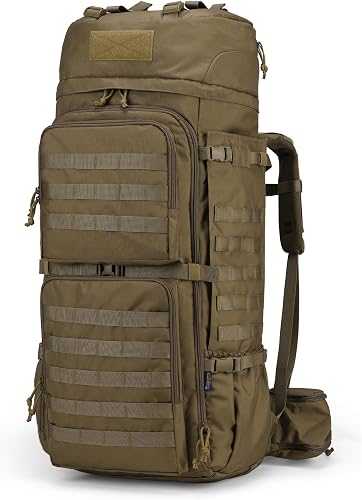
Best for: A user who wants a tactical, heavy-duty pack with modular storage options.
This 75L pack uses 600D polyester and MOLLE webbing for attaching extra gear. It includes a large front-zippered access point, which opens much like a piece of luggage for quick packing. It’s designed to handle the weight of significant gear, making it a functional option for those who treat their bag like a mobile base camp.
This pack isn’t for someone who prioritizes low weight or a sleek, streamlined appearance. Its tactical design makes it heavier than non-tactical alternatives.
Good if:
- You need to attach extra gear to the outside.
- You want quick access to the main compartment.
- You prefer a durable, military-style construction.
Skip it if:
- You prefer a lightweight, simple hiking pack.
- You find excessive straps and webbing distracting.
4. MOUNTAINTOP 40L Hiking Backpack

Best for: A hiker who needs a lightweight pack for day trips.
The 40L capacity is ideal for day hikes where you need to carry a jacket, some food, and water. It features a main compartment large enough for a 16-inch laptop. Padded shoulder straps and a chest clip help distribute weight and maintain stability.
This pack isn’t designed for multi-day camping trips where you need to carry a tent or large sleeping gear. The capacity is limited to single-day needs. It also lacks the rigid internal frame of larger packs.
Good if:
- You’re going on short, one-day hikes.
- You want a bag that works for travel or school.
- You prefer a lightweight and breathable design.
Skip it if:
- You need to carry overnight camping gear.
- You require a heavy-duty internal frame.
5. WoneNice 50L(45+5) Waterproof Hiking Backpack Outdoor Daypack w/Rain Cover
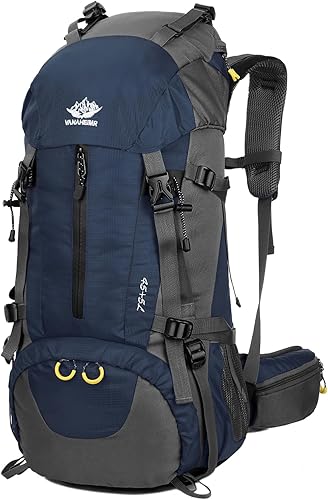
Best for: Someone who values organized storage and easy access to gear.
The 50L capacity and multiple compartments help organize equipment. Widened S-type shoulder straps ease the burden on your shoulders. The inclusion of a rain cover in the bottom pouch adds a layer of protection against the elements, keeping your gear dry during unexpected weather.
This pack isn’t for the person who wants a highly technical, high-altitude climbing bag. It may feel too complex for those preferring simple top-loading bags.
Good if:
- You want to keep your gear organized by compartment.
- You want a pack that includes a rain cover.
- You prefer ergonomic, cushioned shoulder straps.
Skip it if:
- You prefer a simple, single-main-compartment design.
- You need a specialized pack for extreme climbing.
6. Bseash 60L Waterproof Hiking Camping Backpack with Rain Cover

Best for: A traveler who needs a large capacity without the bulk of a heavy frame.
At 60L, this pack provides room for several days of travel at 2.1 lbs. It features a special shoe storage pouch to keep dirty items separate from your clean gear. The pack lacks an internal frame, which keeps the weight down, and it uses adjustable straps to help secure items like sleeping bags or tripods to the exterior.
This pack isn’t for someone who requires the structural support of a rigid internal frame for extremely heavy loads. It is best suited for moderate loads.
Good if:
- You need a large capacity at a low weight.
- You want a separate pouch for dirty shoes.
- You need to attach items like tripods or mats.
Skip it if:
- You need a rigid frame for heavy equipment.
- You prefer zippered main compartments.
7. IX INOXTO Hiking Backpack

Best for: A hiker who wants a hydration-focused pack for long days on the trail.
This pack includes a 3-liter hydration bladder for drinking while moving. It features a steel frame support system, which helps distribute the weight evenly across your back. The mesh fabric on the back panel is designed to reduce sweating, which is a significant benefit during intense summer hikes.
This pack isn’t for someone who already owns a specific hydration bladder they prefer to use, as the system is integrated into the bag. It is not meant for multi-day trips.
Good if:
- You want a hydration bladder included.
- You need a frame for better weight distribution.
- You hike in hot weather and need ventilation.
Skip it if:
- You already own a hydration bladder you prefer.
- You need space for multi-day camping gear.
8. Mardingtop 28L Tactical Backpack

Best for: Someone who wants a compact, durable rucksack for daily rucking or hiking.
The 28L capacity makes this a very compact, streamlined option. It’s built from durable 600D polyester with YKK zippers. This bag is designed for people who want a smaller, tougher pack that can handle the rigors of daily use or short, intense outdoor sessions.
This pack isn’t for someone who needs to carry bulky camping equipment like tents or sleeping bags. Its size limits it to day-hikes or as a “bug-out” bag.
Good if:
- You want a very durable, compact daypack.
- You prefer a tactical aesthetic.
- You need a pack for daily rucking.
Skip it if:
- You need to carry a sleeping bag.
- You need a large-capacity pack for multi-day trips.
9. Loowoko 50L Hiking Backpack with Rain Cover

Best for: A hiker looking for an upgraded pack with strong ergonomic features.
This pack uses S-type shoulder straps and elastic back support for comfort. It includes a large main compartment and a separate shoe separator, which helps keep your gear clean. It’s designed to be a versatile middle-ground for 3-5 day adventures.
This pack isn’t for someone who wants an internal frame, as it’s specifically listed as having no internal frame. It may feel different than a framed pack.
Good if:
- You want a comfortable, ergonomic fit.
- You need a separate shoe compartment.
- You’re planning a 3-5 day trip.
Skip it if:
- You specifically want an internal frame.
- You need more than 50L of storage space.
10. 30L Hiking Backpack Daypack Lightweight Rain Cover Travel Camping

Best for: A beginner hiker who wants a compact daypack with extra features.
The 30L capacity is perfectly sized for a day of trekking. It includes a padded laptop sleeve and a wet-dry separation pocket, which is great for keeping sweaty clothes away from your electronics. The U-shaped shoulder straps and ergonomic chest-waist buckle system are designed to minimize strain during your walk.
This pack isn’t for anyone planning an overnight camping trip. The 30L limit is for day-use only.
Good if:
- You need a daypack with a laptop sleeve.
- You want a pocket for wet clothes or towels.
- You prefer a lightweight, compact design.
Skip it if:
- You need to carry overnight camping gear.
- You require a rigid internal frame.
Where These Overlap
The Teton Explorer 75L and Teton Scout 55L are very similar in their design philosophy, differing mostly in total volume and dimensions. Similarly, the Loowoko 50L and Bseash 60L both cater to the mid-range traveler who wants a balance between weight and capacity, though the Bseash pack’s inclusion of a shoe pouch gives it a slight edge for those who carry extra footwear.
Still Not Sure?
How often will I really use it?
If you’re planning to go camping every weekend, you should look for a durable pack with a frame, such as the Teton Explorer 75L. If you only hike occasionally for a few hours, a lighter, more versatile option like the Mountaintop 40L will likely suffice and feel less cumbersome on your back.
What do I already own that this has to work with?
Think about the gear you currently have. If you already own a 3-liter hydration bladder, you don’t necessarily need the IX INOXTO 40L. However, if you’re starting from scratch, the IX INOXTO 40L is a great way to get a hydration system included without having to buy one separately.
What am I most likely to regret choosing?
Many buyers regret choosing a pack that’s too small for their needs. If you think you might want to extend your trips from one day to three, buying a 30L bag might leave you wanting more space later. Choosing a mid-sized pack like the Loowoko 50L offers more room to grow.
Frequently Asked Questions
What is the best way to fit a hiking backpack?
Proper fitting starts with adjusting the torso length, which is a feature on the Teton Explorer 75L. Most packs allow you to tighten the waist belt first to transfer weight to your hips, followed by the shoulder straps and the chest buckle. Ensure the pack feels stable and centered on your back before heading out.
Do I need a pack with an internal frame?
An internal frame, found in the Mardingtop 75L Molle, is essential for carrying heavy loads over long distances because it transfers weight from your shoulders to your hips. If you’re only carrying a light load for a short day hike, a frameless pack like the Bseash 60L is often more comfortable and lighter.
Are these backpacks waterproof?
While many, like the WoneNice 50L, are made from water-resistant materials, they aren’t typically fully waterproof. Most include a detachable rain cover to protect your gear during heavy downpours.
How do I clean my new camping backpack?
Spot-clean your pack after a trip using a damp cloth and mild soap. Machine washing can damage the fabric or internal frame, so always air dry your bag in a shaded area to prevent mold.
Conclusion
Choosing the right pack depends on your trip duration and need for structural support. For long-distance camping with heavy gear, the Teton Explorer 75L is a reliable choice. If your goal is a lightweight day-trip experience, the Mountaintop 40L is the way to go; check the product links to see which best fits your gear.