
If you are asking what is the smallest backpack, functional production bags start at 0.5 to 1 liter. While the 18-liter Sea to Summit Ultra-Sil Nano Daypack packs down to 2.8 inches for daily utility, true micro-packs can shrink to 0.5 liters.
Defining the smallest backpack
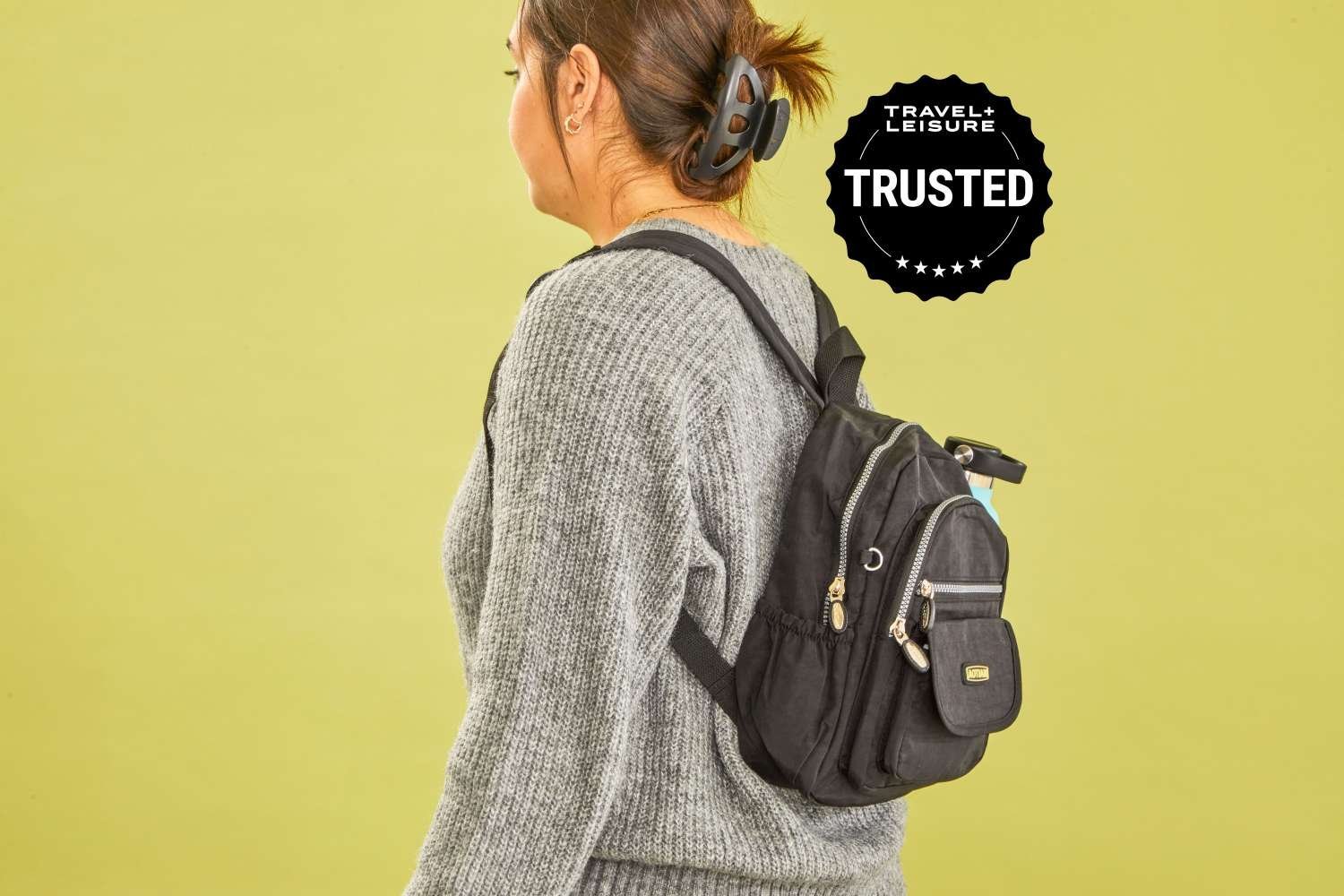
- Micro-packs like the Matador On-Grid or keychain pouches offer 0.5 to 2 liters of interior volume.
- Packable daypacks hold 16 to 20 liters when open but fold down into the volume of a standard hen egg.
- Ultralight silicone-coated nylon reduces empty carrier weights down to 1 ounce (30 grams) total.
- Usable micro bags require at least 8 inches of vertical height to fit a standard modern smartphone.
- Tiny designs trade away foam padding, so hard objects press directly against your back during wear.
- Real load limits on micro-straps top out at 5 to 8 pounds before the seams risk tearing.
Why ultra-compact bags compress so small
The physics of compact bags depends entirely on textile density, thread thickness, and the absence of rigid foam framing. Manufacturers use Cordura or ripstop nylon woven with 15-denier to 30-denier yarns. A denier rating measures linear mass density: lower numbers mean thinner threads, allowing the fabric to roll tight without bulk. Makers coat these fine sheets with liquid silicone or polyurethane, which seals the weave against moisture and stops small tears from spreading.
Eliminating structural elements frees up massive amounts of internal space. Traditional backpacks rely on closed-cell EVA foam along the shoulder straps and back panels to distribute weight. Micro designs replace padded harnesses with unpadded webbing ribbons or simple single-layer fabric bands. Without zipper liners, metal sliders, or heavy plastic buckles, the finished sack folds completely flat.
When the answer is different
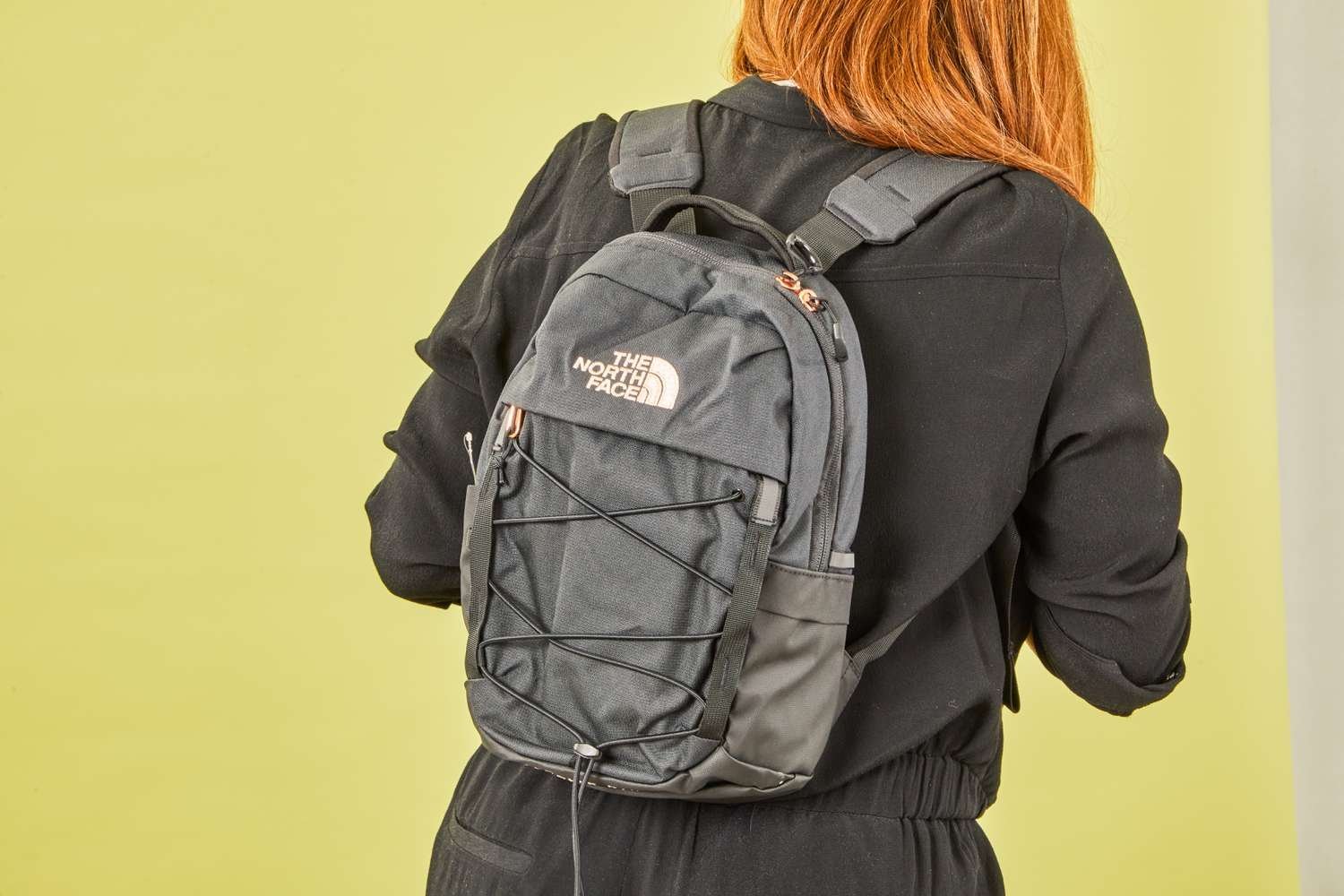
While micro-pouches mark the absolute smallest tier, real needs alter the size limit.
| Situation | What changes | What to do instead |
|---|---|---|
| Carrying a 13-inch laptop | Bag needs a padded base | Choose a 13-liter slim commuter pack |
| Running long trails | Bouncing shifts the load | Wear an 8-liter body-hugging hydration vest |
| Carrying heavy camera gear | Thin seams tear apart | Buy a 15-liter structured camera daypack |
| Passing strict stadium checks | Clear vinyl is required | Get an approved 12-inch clear plastic bag |
| Winter weather hiking | Extra layers add bulk | Step up to a 20-liter packable sack |
How to do it properly
- Check your largest daily item with a ruler; confirm the bag’s height exceeds that item by 1 inch.
- Unfold the tiny pack fully and shake out the corners so the internal seams sit straight.
- Place soft items like gloves or a rolled shirt along the back panel first to create padding.
- Insert heavy, flat items like a phone or battery bank centered directly against that soft base layer.
- Limit the total packed weight to under 5 pounds by weighing the loaded bag on a kitchen scale.
- Pull both shoulder strap adjusters evenly until the main compartment rests high between your shoulder blades.
- Inspect the top anchor seams under bright light; ensure no thread pulls loose under the load.
The mistakes that ruin it
- Packing bare house keys against the thin nylon shell, which pokes holes straight through ultralight fabric.
- Overfilling the main compartment past its zipper line, forcing the tiny teeth to split under tension.
- Carrying a heavy metal water bottle on thin ribbon straps, which cuts circulation into your shoulders.
- Washing the siliconized fabric in a hot washing machine, which dissolves the waterproof interior coating.
Frequently asked questions
Photo: www.travelandleisure.com on Google
Can a micro backpack hold a water bottle?
No, most sub-5-liter micro bags can’t fit a standard 24-ounce water bottle. You’ll need at least a 10-liter pack to carry a bottle upright, unless the bag features an external stretchy mesh side pocket designed for narrow flasks.
Does a tiny backpack count as a personal item on flights?
Yes, every airline accepts micro daypacks as personal items. Because they sit well under the standard 18 x 14 x 8-inch allowance used by budget airlines, they slide completely underneath the seat in front of you with room to spare.
How long do ultralight packable daypacks last?
About two to three years of intermittent use. The 15-denier to 30-denier fabrics resist light abrasion, but dragging them across rough concrete or packing sharp items quickly wears holes through the unlined bottom panel.
What happens if you overload a tiny pack?
The unpadded shoulder straps dig painfully into your neck muscles. Beyond discomfort, loading more than 8 pounds into an ultralight siliconized bag strains the strap anchor stitching, eventually tearing the webbing clean off the main compartment.
Is it safe to carry electronics in an ultralight bag?
Only if the devices sit inside their own protective sleeves. Packable bags lack foam padding along the base, meaning your tablet or camera takes the full impact whenever you drop the pack onto a hard floor or table.
Why do some small bags feel heavy when worn?
The absence of a hip belt and internal frame keeps all weight pulling backward from your shoulders. This varies by model — check the label for structural details, as unpadded ribbons concentrate pressure across a tiny strip of skin.
Final Thoughts
Choosing the right bag depends entirely on what you truly need to carry. If you’re tired of lugging around extra weight, grab a measuring tape and check the dimensions of your current gear. You’ll likely find that downsizing to a minimalist option makes your daily commute feel much lighter and easier.