
When considering what is the best backpack for middle school, look for padded shoulder straps and a 20 to 30-liter capacity to prevent back strain. Choose a model with at least two main compartments to help students organize heavy textbooks and digital devices.
What is the best backpack for middle school?
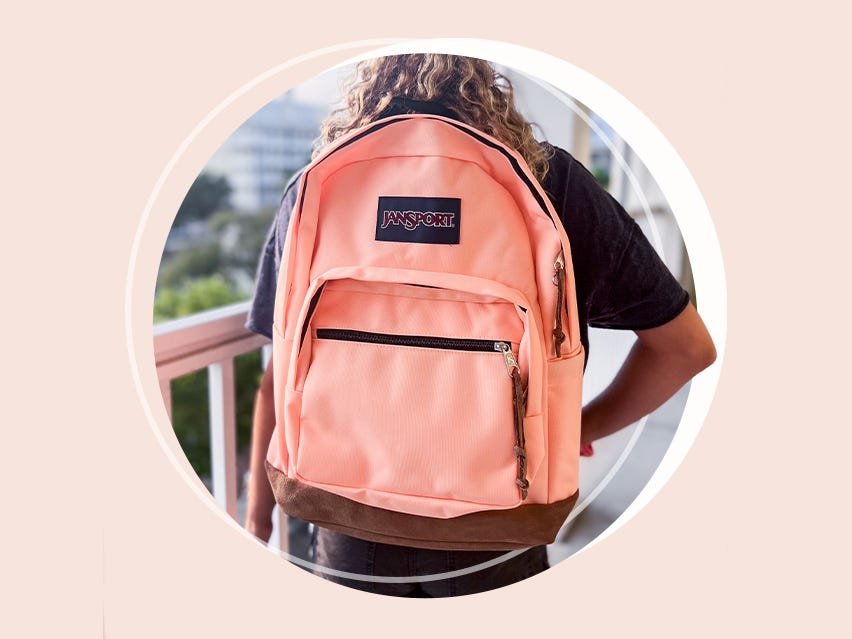
- Select a bag with wide, padded straps to distribute weight evenly across the shoulders.
- Ensure the total weight of the bag doesn’t exceed 10% to 15% of the student’s body weight.
- Choose water-resistant materials like 600D polyester to protect electronics from light rain or spills.
- Look for a dedicated, padded internal sleeve to keep tablets or laptops secure during transit.
- Test the zippers for smooth movement, as cheap hardware often fails after a single semester.
Why weight distribution matters
The primary reason for choosing a specific bag design is to protect the developing spine from unnecessary pressure. Carrying heavy loads incorrectly can lead to long-term postural issues and chronic discomfort. According to the American Academy of Pediatrics, students should always wear both shoulder straps rather than slinging the bag over one side to maintain a balanced center of gravity. If you ignore this, the uneven pull on the muscles causes the body to lean, which often leads to shoulder and neck pain. While manufacturers often market bags based on style or brand name, the internal structure and strap padding are the only factors that genuinely influence physical safety for a student who carries books for several hours every day, provided you inspect the straps regularly.
When the answer is different
| Situation | What changes | What to do instead |
|---|---|---|
| Heavy laptop use | Needs extra padding | Buy reinforced base models |
| Athletic gear needs | Requires extra volume | Choose 35-liter sports bags |
| Rainy climates | Needs water protection | Use coated nylon fabrics |
| Petite students | Needs shorter frame | Seek “youth” size labels |
| Frequent travel | Needs durability | Look for ballistic weave |
How to do it properly
- Measure the student’s torso length from the base of the neck to the hip bone to ensure the bag fits correctly.
- Adjust the shoulder straps until the bag sits snugly against the upper back, keeping the bottom edge near the student’s waistline.
- Tighten the sternum strap if the bag includes one, as this pulls the weight closer to the body to reduce swaying.
- Place the heaviest items, such as thick hardback textbooks, closest to the back panel to keep the weight near the center.
- Use the side pockets for water bottles to prevent condensation or leaks from reaching your electronics inside the main compartment.
The mistakes that ruin it
- Overloading the bag beyond 15% of body weight causes the student to lean forward, which creates significant lower back strain.
- Wearing the bag too low on the hips forces the shoulders to pull backward, leading to muscle fatigue and poor posture.
- Leaving sharp objects or loose pens at the bottom of the main pocket eventually punctures the liner and damages electronics.
- Choosing a bag without a dedicated laptop sleeve risks screen cracks when the bag is dropped or placed on hard floors.
Frequently asked questions
Can a rolling backpack help?
Yes, rolling bags can help if the student has a medical condition or can’t carry heavy loads, but they’re often prohibited in schools. They’re bulky, difficult to carry up stairs, and frequently don’t fit in standard school lockers.
How long should a backpack last?
A high-quality backpack should last at least two school years if the zippers and stitching are maintained. This varies by model — check the label for material denier, as higher numbers like 600D or 1000D indicate better resistance to daily wear and tear.
Is it safe to carry a laptop in a backpack?
Yes, it’s safe if the bag has a dedicated, padded sleeve that keeps the device suspended off the bottom. Never place a laptop in the main compartment without a protective case, as the corners of the device will hit the floor when you set the bag down.
Does the brand name matter?
No, the brand doesn’t matter as much as the structural features like padded straps and reinforced seams. You’re often paying for the logo rather than better ergonomics, so focus on the build quality and the specific measurements provided by the manufacturer.
What happens if the straps are too thin?
If you find a bag you like with thin straps, you can purchase separate gel pads to wrap around them for better comfort.
How do I clean a fabric backpack?
You should spot clean the exterior with mild soap and a damp cloth to avoid damaging the water-resistant coating.
Final Thoughts
Finding the right fit doesn’t have to be stressful. Once you’ve narrowed down your favorites, take your child to the store so they can try a few on with some weight inside. It’s a great way to ensure they’ll be comfortable and ready for all the new challenges ahead this year.