
Yes, you can absolutely use a backpack as your carry-on bag, provided it fits within the specific size limits set by your airline. Most major carriers allow one larger cabin bag and one smaller personal item, and a standard travel backpack often qualifies for either category depending on its exact dimensions. Choosing a backpack over a rolling suitcase saves time at baggage claim and makes navigating crowded terminals much easier.
Key Takeaways
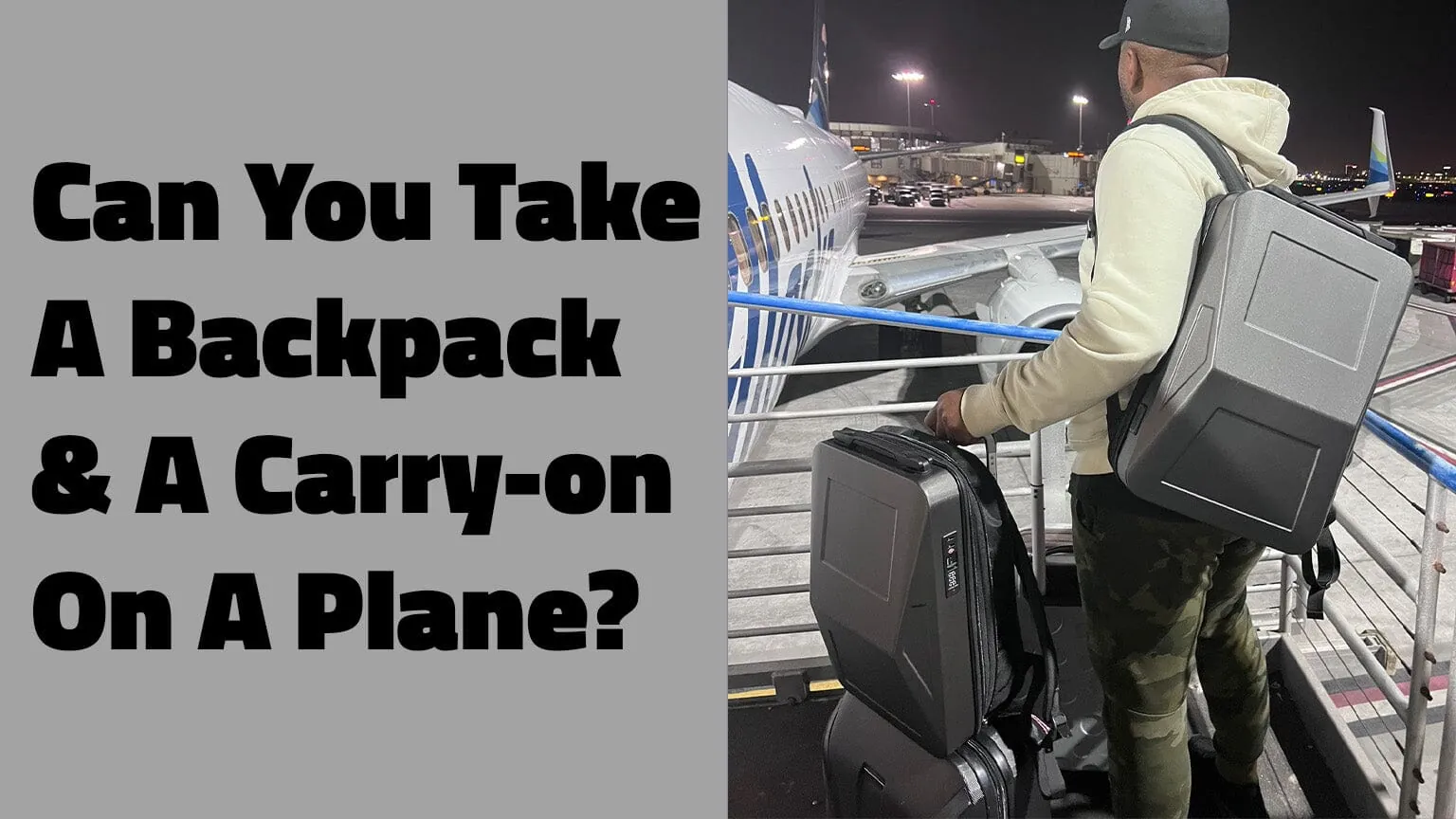
- Measure your loaded backpack against your airline’s published carry-on dimensions before heading to the airport.
- A standard 40-liter travel backpack usually fits overhead bins on major airlines like Delta or United.
- Smaller daypacks under 25 liters typically qualify as a personal item that slides under the seat.
- Budget airlines enforce strict size rules and frequently charge fees for oversized cabin bags.
- Soft-sided backpacks offer flexibility, allowing you to compress them into tight metal sizing bins.
Using a Backpack as Carry-On Luggage
Airlines classify cabin baggage by physical dimensions rather than style. As long as your pack meets the linear inch requirements, gate agents will treat it just like a hard-shell roller. Travel-specific models from brands like Osprey, Peak Design, or Cotopaxi are engineered specifically to maximize these allowable dimensions without exceeding them. Always check the maximum dimensions listed on your boarding pass or itinerary.
Warning: Don’t assume all airlines share the same size allowances. Domestic carriers in the US generally permit larger cabin bags than European budget airlines operating transatlantic routes.
Standard Airline Size Limits
To determine if your gear qualifies, compare its exterior measurements against common airline restrictions. These numbers represent the absolute maximum space allowed, including all handles, straps, and expanded pockets.
| Airline | Max Carry-On Size (Inches) | Personal Item Size (Inches) |
|---|---|---|
| Delta Air Lines | 22 x 14 x 9 | Fits under seat |
| United Airlines | 22 x 14 x 9 | 17 x 10 x 9 |
| Southwest Airlines | 24 x 16 x 10 | 18.5 x 8.5 x 13.5 |
| Ryanair | 21.6 x 15.7 x 7.8 | 15.7 x 9.8 x 7.8 |
You can verify current policies directly through the FAA carry-on baggage guidelines, which outline federal safety regulations regarding what you can bring inside the aircraft cabin.
What About Personal Item Rules?
If your primary ticket only includes a small under-seat bag, or if you want to bring a backpack alongside a roller board, you must adhere to personal item restrictions. This secondary bag must fit completely beneath the seat in front of you. Daypacks from brands like Fjällräven, JanSport, or Patagonia usually meet this requirement effortlessly when they aren’t overstuffed.
Choosing the Right Volume
- Under 20 Liters: Ideal for personal items; easily slides under seats on Boeing 737 and Airbus A320 aircraft.
- 20 to 30 Liters: Borderline size; works as a carry-on for most US flights but might be too large for budget airline personal item limits.
- 35 to 45 Liters: Strictly a carry-on bag; designed to fill the overhead bin space perfectly.
Measuring Your Packed Bag Correctly

A backpack looks very different empty than it does fully loaded. Manufacturers list dimensions based on the uncompressed bag, but gate agents measure the bulging reality. To get an accurate reading, pack your bag exactly as you plan to fly, place it flat on the floor, and use a tape measure from the floor to the highest point of the top handle. Include any external water bottles clipped to the sides in your total width calculation.
Pro Tip: If your bag is slightly too tall, leave the top lid unbuckled or remove the internal frame sheet to shave off an extra inch of height.
Best Travel Backpack Brands
Not every hiking pack makes a good flight companion. Hiking bags from Gregory or Deuter often feature tall, narrow profiles and massive external frames that exceed airline width limits. Instead, look for luggage manufacturers who design bags around rectangular cabin spaces. Top choices include the Tortuga Setout, the Nomatic Travel Bag, and the Aer Travel Pack. These models feature clamshell openings that function like traditional suitcases, making security checks significantly faster.
Handling Budget Airline Restrictions
Low-cost carriers generate revenue through ancillary fees, meaning their gate agents actively police bag sizes. Airlines like Spirit, Frontier, and Allegiant require passengers to test their bags in rigid metal sizers before boarding. Because soft backpacks can be squished, they have a distinct advantage over hard suitcases here. However, if your bag is visibly bursting at the zippers, you’ll likely face a steep gate-check fee.
| Airline Type | Enforcement Style | Typical Fee for Oversized Bag |
|---|---|---|
| Major US Carrier | Visual inspection | Usually free gate-check |
| Ultra-Low Cost | Metal sizer required | $65 to $100+ at the gate |
| International Budget | Sizer and weight scale | Varies by region |
Managing Weight Limits
While domestic US airlines rarely weigh carry-on bags, international carriers frequently enforce strict mass limits. A typical allowance ranges from 15 to 22 pounds. Heavy canvas materials or thick leather accents add unnecessary base weight before you even pack a single shirt. Opting for bags made from lightweight ripstop nylon or Dyneema helps keep your total load well below the weight limit.
Organizing for Security Checkpoints
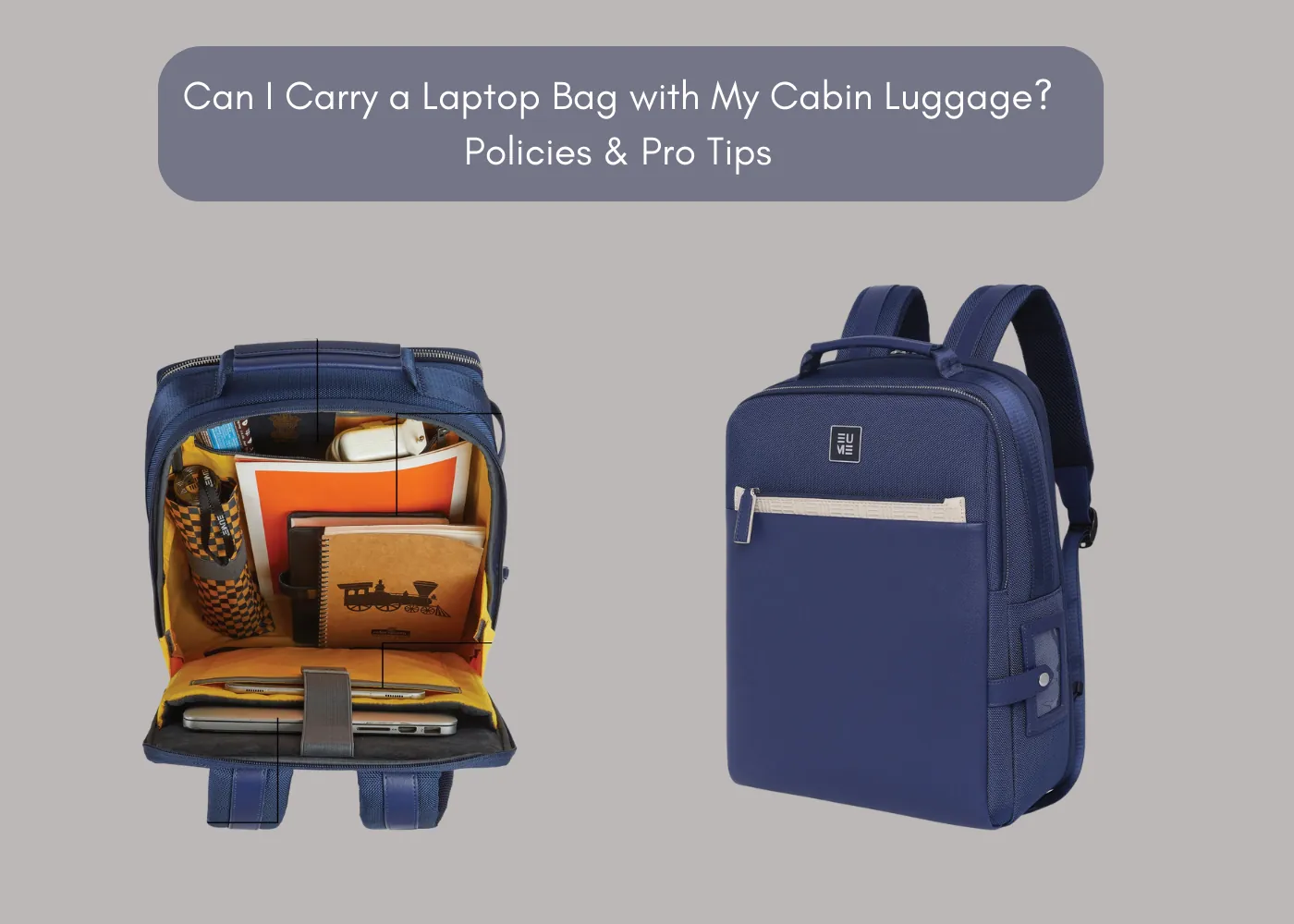
The Transportation Security Administration requires electronics larger than a cell phone to be removed and screened separately. A backpack with a dedicated, easily accessible laptop sleeve prevents you from digging through dirty laundry at the checkpoint. Look for models with TSA-friendly lay-flat designs from brands like Incase or Thule. Keeping your liquids bag near the top zipper also speeds up the screening process considerably.
Warning: Never pack lithium-ion power banks or spare batteries in checked luggage if your backpack gets gate-checked; you must remove them and keep them in the cabin.
Frequently Asked Questions
Can I bring a hiking backpack on a plane?
Yes, but only if it meets the airline’s size restrictions. Large expedition packs with external frames usually exceed carry-on dimensions. You may need to detach the hip belt or compress the main compartment using internal drawstrings to make a hiking bag fit inside the airport sizing bin.
Does a backpack count as a personal item?
It depends entirely on the backpack’s size. Small daypacks under 25 liters generally qualify as personal items on major US airlines. Larger travel backpacks designed for overhead bins won’t fit under the seat and must be classified as your primary carry-on bag.
Will airlines force me to check my backpack?
Airlines typically force gate-checking only when overhead bins are full or your bag exceeds size limits. Soft backpacks are less likely to be flagged than rigid suitcases because they can be compressed. Flying early in the day increases your chances of finding available bin space.
How do I protect my backpack straps during travel?
Loose straps can get caught in conveyor belts if your bag is gate-checked. Tuck all shoulder straps and waist belts into the back panel or secure them tightly with compression straps. Some travel backpacks include zip-away harness systems specifically designed to hide straps during transit.
Are there prohibited items for carry-on backpacks?
Yes. The TSA prohibits sharp objects, flammable liquids, and tools longer than seven inches in the cabin. Ensure your packed backpack complies with federal aviation security rules. Always check the official prohibited items list before arriving at the airport to avoid confiscation.
Conclusion
Measure your favorite backpack today, compare those numbers against your next airline’s published limits, and practice packing it efficiently so you can skip the check-in counter entirely on your next trip.