
Yes, you can bring a hiking backpack as carry-on luggage, provided it fits within your airline’s specific size limits and doesn’t contain prohibited items. Most carriers enforce strict dimensional rules for overhead bins, meaning large expedition packs will need to be checked at the gate or ticket counter. Smaller daypacks and travel-specific hiking bags usually pass without issue if packed correctly.
Key Takeaways
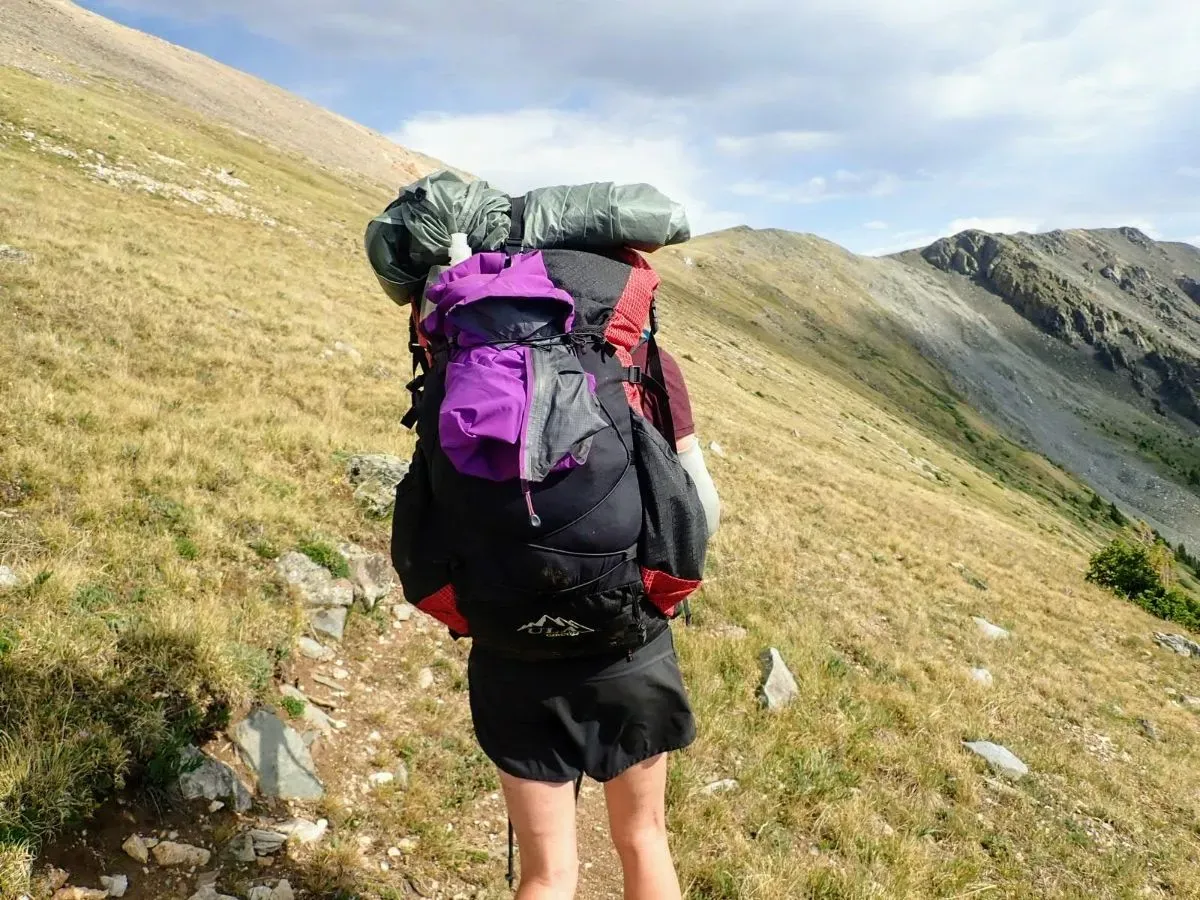
- Measure your hiking backpack including all pockets, straps, and frames before heading to the airport.
- Remove trekking poles, ice axes, and multi-tools, as security will confiscate them at the checkpoint.
- Choose packs under 45 liters to reliably fit standard overhead bin dimensions across most airlines.
- Compress loose straps using built-in compression systems or removable webbing ties to prevent snags.
- Check your specific carrier’s baggage policy online, as budget airlines enforce stricter limits than legacy carriers.
Can You Take Hiking Backpacks as Carry On?
Taking a hiking backpack through the cabin requires matching your gear against airline size restrictions. Legacy carriers like Delta and United generally allow bags up to twenty-two inches long, fourteen inches wide, and nine inches deep. Budget airlines often shrink these allowances further.
If your pack exceeds these measurements when fully loaded, gate agents will force you to check it, potentially incurring extra fees. Always measure the bag while it’s fully packed, as an empty frame looks much smaller than a stuffed one.
How Do Airlines Measure Backpacks?
Airlines measure luggage from the floor to the top of the handle, including wheels and external pockets. Soft-sided hiking backpacks present a unique challenge because they expand when filled. Gate agents use rigid metal sizing boxes to test whether a bag qualifies as carry-on luggage. If your stuffed backpack bulges past the edges of that box, it fails the test. Unlike hard-shell suitcases, soft packs can sometimes be squeezed into the sizer, but heavily framed internal packs resist compression.
Which Backpack Sizes Fit Overhead Bins?
The internal volume of your pack directly determines whether it survives the boarding process. Here is how typical hiking capacities align with standard commercial airline requirements:
| Pack Volume | Typical Dimensions | Airline Status |
|---|---|---|
| 20–30 Liters | 18 x 10 x 8 inches | Approved as carry-on |
| 35–45 Liters | 21 x 13 x 9 inches | Fits most legacy carriers |
| 50–65 Liters | 28 x 15 x 10 inches | Requires checking |
Packs like the Osprey Farpoint 40 are specifically designed to maximize this threshold. Traditional trail packs, such as the Gregory Baltoro 65, are strictly meant for the cargo hold.
What Gear Is Prohibited in Cabins?
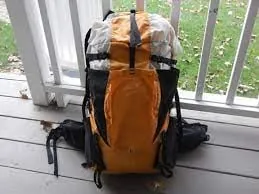
Hiking equipment frequently conflicts with Transportation Security Administration regulations. You can’t bring sharp or blunt trail tools into the passenger cabin. The TSA prohibited items list explicitly bans objects that could serve as weapons during flight. Before packing, separate your restricted trail gear from your clothing and electronics.
Sharp Trail Tools
Ice axes, crampons, tent stakes, and pocket knives must go into checked baggage. Even small folding knives with blades under three inches face heavy scrutiny and frequent confiscation at the security checkpoint.
Blunt Sporting Equipment
Trekking poles are universally banned from carry-on bags. Their metal tips and rigid shafts classify them as potential clubs. Leave them at home, ship them ahead, or check your bag.
Managing Straps, Frames, and Buckles
Loose webbing is a major hazard on airplanes. Baggage handlers and conveyor belts easily catch dangling hip belts, shoulder straps, and sternum buckles. A snagged strap can tear your expensive gear or delay the loading process.
Use compression straps to bind everything tightly against the main body of the pack. If your hiking backpack lacks sufficient built-in ties, wrap loose ends in duct tape or tuck them inside the top lid. Internal aluminum stays rarely cause issues, but bulky external frames might exceed depth limits.
Are Travel Hiking Packs Worth Buying?
Dedicated travel packs blend outdoor durability with airline compliance. Brands like Cotopaxi, Peak Design, and Osprey manufacture bags that look like hiking gear but dimensionally match suitcase standards. These models typically feature hideaway harness systems, allowing you to zip the shoulder straps behind a fabric panel.
This transforms a rugged backpack into a smooth, snag-free duffel for the duration of your flight. For travelers who hike immediately upon landing, these hybrid designs offer the best balance between trail performance and airport convenience.
Tips for Packing Your Hiking Backpack
Organizing your load impacts both security screening and physical comfort. Place dense items like laptops and water bladders close to your back panel. Keep liquids inside clear, quart-sized bags near the top for easy removal. Avoid overstuffing the front shove-it pocket, as this pushes the overall depth past the nine-inch limit enforced by most airlines. Using packing cubes keeps clothing compressed and prevents the bag from expanding outward during transit.
Warning: Never leave liquid fuel bottles or partially used camping gas canisters inside your pack. Security scanners detect hydrocarbons instantly, resulting in immediate bag searches and missed flights.
Checking Your Pack at the Gate
Sometimes, despite careful planning, a full flight forces passengers to surrender their cabin bags. If a gate agent tags your hiking backpack for the cargo hold, quickly remove lithium batteries, medications, passports, and fragile electronics. Gate-checked bags endure rougher handling than standard checked luggage, as ground crews load them directly onto the tarmac. Ensure all zippers are locked and buckles are secured before handing your pack over to the airline staff.
Pro Tip: Attach a distinct luggage tag or brightly colored ribbon to your black or gray hiking backpack. Cargo holds fill with identical dark bags, making visual identification at the arrival carousel significantly faster.
Frequently Asked Questions
Can I bring a 50-liter backpack as carry-on?
Generally, no. A fifty-liter hiking backpack almost always exceeds the twenty-two-inch length limit imposed by commercial airlines. Unless the bag is completely empty and highly compressible, you’ll need to check it at the ticket counter or departure gate.
Do trekking poles count as carry-on items?
No. Trekking poles are classified as sporting goods and potential blunt weapons. The TSA prohibits them in the passenger cabin entirely. You must place them inside your checked luggage or ship them to your destination separately.
Will a backpacking frame damage the airplane?
Internal frames rarely cause damage, but they make the bag rigid. External frames often exceed size limits and can scratch aircraft interiors. Airlines prefer soft-sided bags that compress easily into overhead storage bins without forcing other luggage out.
Are hydration bladders allowed through security?
Empty hydration bladders are perfectly fine. However, if the bladder contains water or any liquid exceeding 3.4 ounces, security will confiscate it. Empty the reservoir completely before entering the screening checkpoint, then refill it at an airport fountain.
Does a hiking backpack count as a personal item?
Only if it’s very small. Daypacks under twenty liters usually qualify as personal items, fitting beneath the seat in front of you. Larger hiking backpacks count as your primary carry-on allowance and must go into the overhead bin.
Do budget airlines charge more for backpacks?
Yes. Carriers like Spirit and Frontier enforce strict weight and size limits for cabin bags. A standard hiking backpack often triggers oversized baggage fees unless you purchase a premium fare or pay for carry-on access in advance.
Conclusion
Measure your specific hiking backpack today, compare those numbers against your upcoming airline’s published baggage policy, and practice compressing the shoulder straps so you can board your next flight without delays or unexpected gate-check fees.