
Yes, you can bring both a purse and a backpack on a plane, provided one fits in the overhead bin and the other slides under the seat in front of you. Most major airlines allow one standard carry-on bag plus one smaller personal item for every passenger.
Key Takeaways
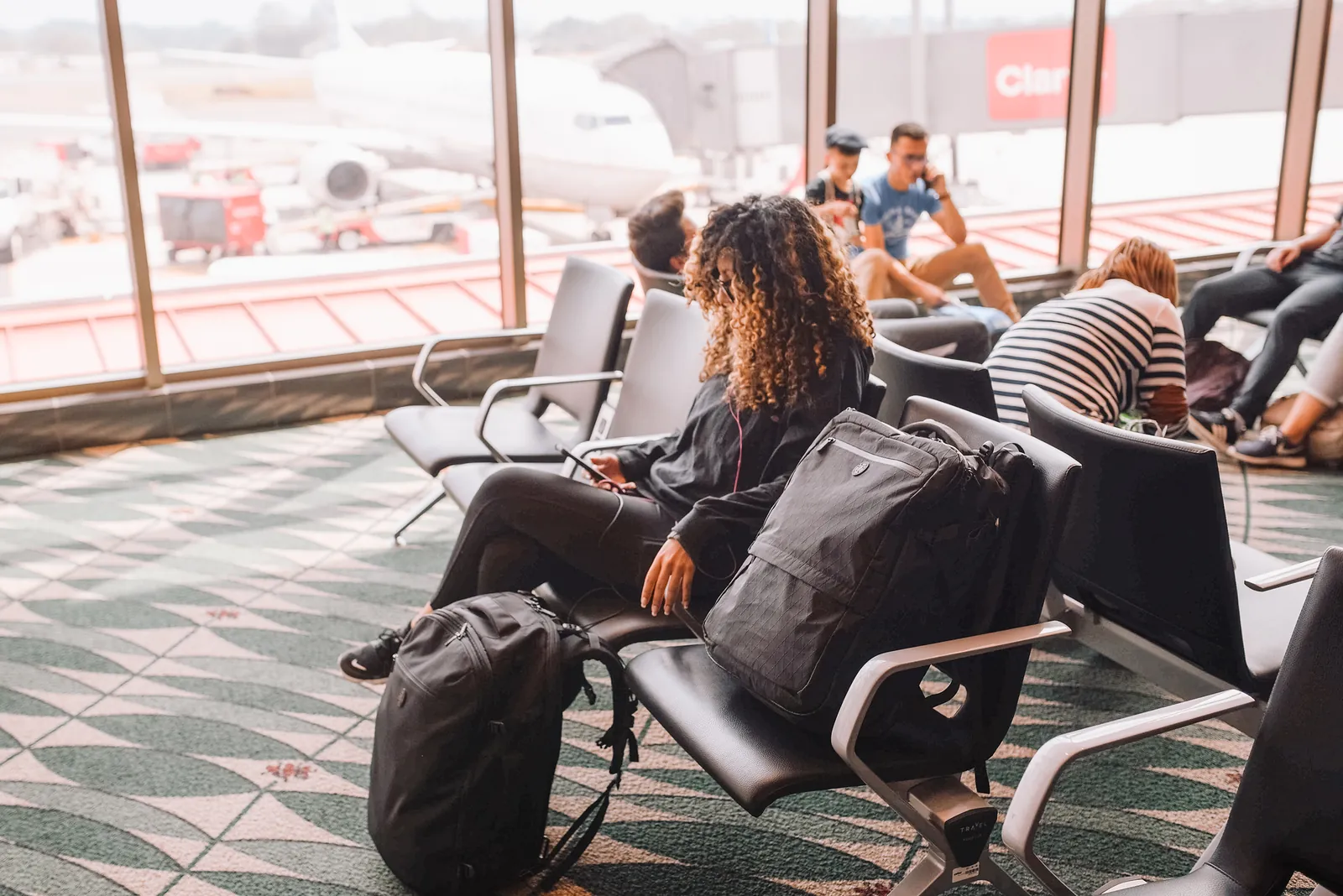
- Major carriers permit one carry-on suitcase and one personal item.
- Your backpack usually serves as the overhead bin luggage.
- A purse typically qualifies as the under-seat storage item.
- Budget carriers often charge extra for overhead baggage.
- Always measure your bags before airport arrival.
Can You Take a Purse and Backpack
When flying with major carriers, bringing both items is standard practice. The backpack acts as your primary carry-on luggage, storing heavier gear like electronics and clothing. The purse functions as your personal item, holding essentials like your passport, wallet, and phone.
Airlines enforce this two-bag rule to keep cabins organized and ensure everyone has space. Ensure your backpack meets the standard twenty-two by fourteen by nine-inch dimension limit. Your purse must be small enough to slide completely beneath the seat without blocking footroom.
Standard Airline Baggage Allowances
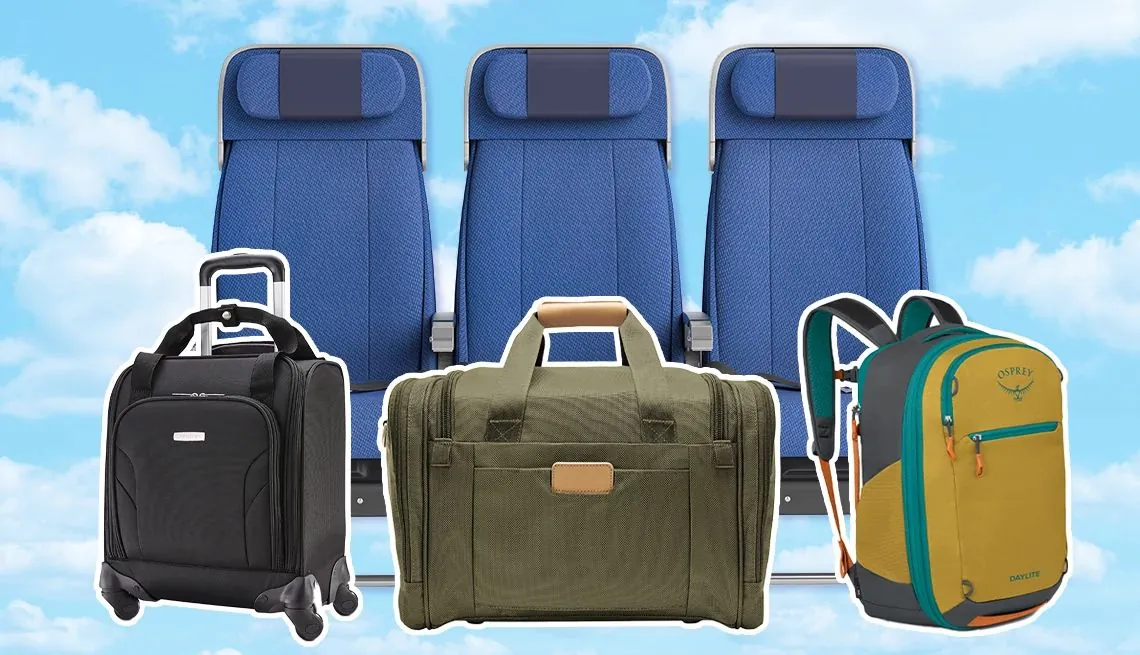
Legacy carriers maintain generous policies for cabin baggage. You can bring a rolling suitcase, a duffel bag, or a large backpack for the overhead compartment. For the personal item, acceptable choices include a laptop bag, a small tote, or a purse. Always verify these dimensions directly with the carrier, as policies can change without notice.
| Airline | Carry-On Dimensions | Personal Item Rule |
|---|---|---|
| Delta Air Lines | 22 x 14 x 9 inches | Must fit under seat |
| United Airlines | 22 x 14 x 9 inches | Must fit under seat |
| American Airlines | 22 x 14 x 9 inches | Must fit under seat |
Pro Tip: Check the specific airline baggage portal before packing, as regional jets sometimes require gate-checking larger carry-ons due to limited cabin space.
What Counts as a Personal Item?
A personal item must fit strictly under the seat. While a purse is the most common choice, travelers also use small daypacks, messenger bags, or camera bags. The exact dimensions vary, but a safe maximum is eighteen by fourteen by eight inches.
If you bring a large hiking backpack and a massive tote bag, the gate agent will likely flag the tote as a second carry-on. Stick to compact bags like the Longchamp Le Pliage or a standard crossbody purse to avoid issues.
How Do Budget Airlines Differ?
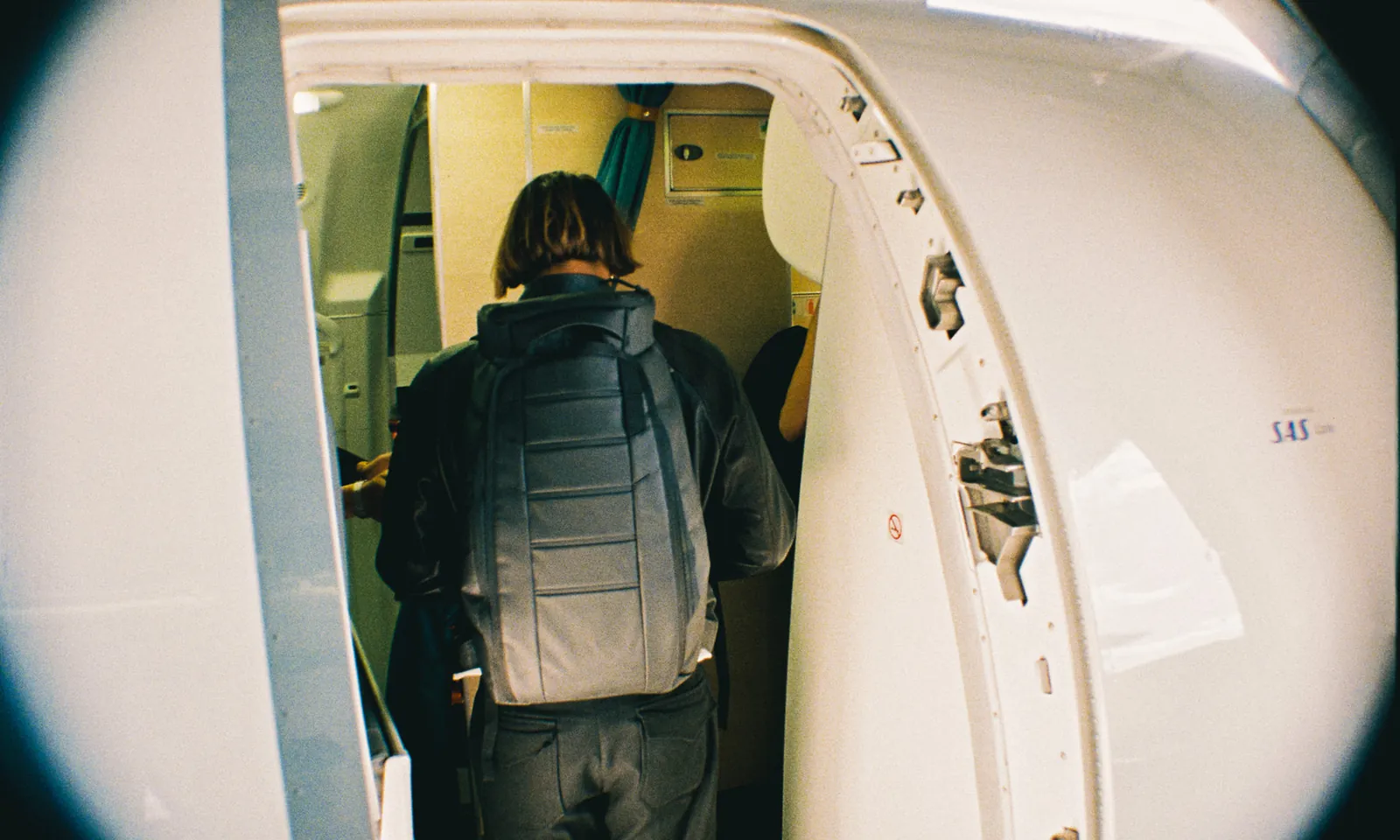
Ultra-low-cost carriers operate with stricter rules to maximize revenue. They typically include only a personal item in the base fare. If you want to bring a backpack for the overhead bin, you must pay an additional fee.
| Carrier | Base Fare Includes | Overhead Bag Fee |
|---|---|---|
| Spirit Airlines | One personal item | $35 to $65 |
| Frontier Airlines | One personal item | $40 to $70 |
| Breeze Airways | One personal item | $30 to $50 |
Warning: Budget airlines use sizing bins at the gate; if your personal item doesn’t fit inside, you’ll pay a steep penalty.
Packing Strategies for Two Bags
Maximizing space requires strategic packing. Place heavy, bulky items in your backpack. Keep fragile or necessary items in your purse.
- Put your laptop computer and chargers in the backpack.
- Store your noise-canceling headphones in the backpack.
- Keep your travel documents in the purse.
- Place your lip balm and medications in the purse.
Using packing cubes inside your backpack keeps clothes compressed. A purse with multiple compartments helps organize smaller accessories efficiently during the flight. This method ensures you have everything needed for a comfortable journey without rummaging through your main bag.
Handling Oversized Cabin Bags
If your backpack exceeds the size limits, you must check it at the ticket counter or the gate. Gate-checking usually incurs a higher fee than checking it online beforehand. If your purse is overstuffed and can’t fit under the seat, the flight attendant will force you to place it in the overhead bin, potentially taking up space meant for your backpack.
Always use a luggage scale and a measuring tape at home to verify dimensions before leaving for the airport. Overstuffed bags often bulge and fail the sizer test, even if their empty dimensions are technically correct.
Navigating the Security Checkpoint
The security checkpoint requires you to place both bags on the conveyor belt. You must remove large electronics from your backpack. Liquids in your purse must follow the three-ounce rule outlined by the Transportation Security Administration and fit in a single quart-sized bag. Wearing slip-on shoes speeds up the process. Keep your TSA PreCheck card accessible to expedite your screening.
Related guides
- Can I Take a Purse and Backpack on a Plane? Airline Rules
- Can You Take a Backpack and a Small Suitcase on a Plane
- Can I Bring a Backpack and Purse on Plane Flights Safely
Frequently Asked Questions
Can I bring a backpack and a tote bag?
Yes, if one fits in the overhead bin and the other fits under the seat. However, if both are large, the airline will consider them two carry-on bags and charge you a fee or require you to check one at the gate.
Does a diaper bag count as a personal item?
Most major airlines allow a diaper bag in addition to your standard carry-on and personal item. It’s considered a medical or child-care necessity, but you should verify this specific baggage exemption with your carrier before flying.
What happens if my personal item is too big?
If your bag can’t fit under the seat, the gate agent will require you to check it. You’ll likely have to pay a standard checked bag fee plus a gate-handling penalty, which can be quite expensive.
Can I put my purse inside my backpack?
Yes, combining them into one bag is a smart trick if you’re flying on a budget airline that only allows one free personal item. Just ensure the combined backpack still meets the strict dimension requirements.
Conclusion
Review your specific airline’s cabin baggage rules on their official website tonight. Measure your backpack and purse with a tape measure to ensure they comply with the dimensions. Pack your heaviest items in the backpack and keep your essentials in your purse for a smooth boarding experience.