
Yes, you can bring both a rolling bag and a backpack on most major commercial flights, provided the smaller bag fits completely under the seat in front of you. Airlines generally allow one overhead bin bag and one smaller personal item per passenger in the main cabin.
Key Takeaways
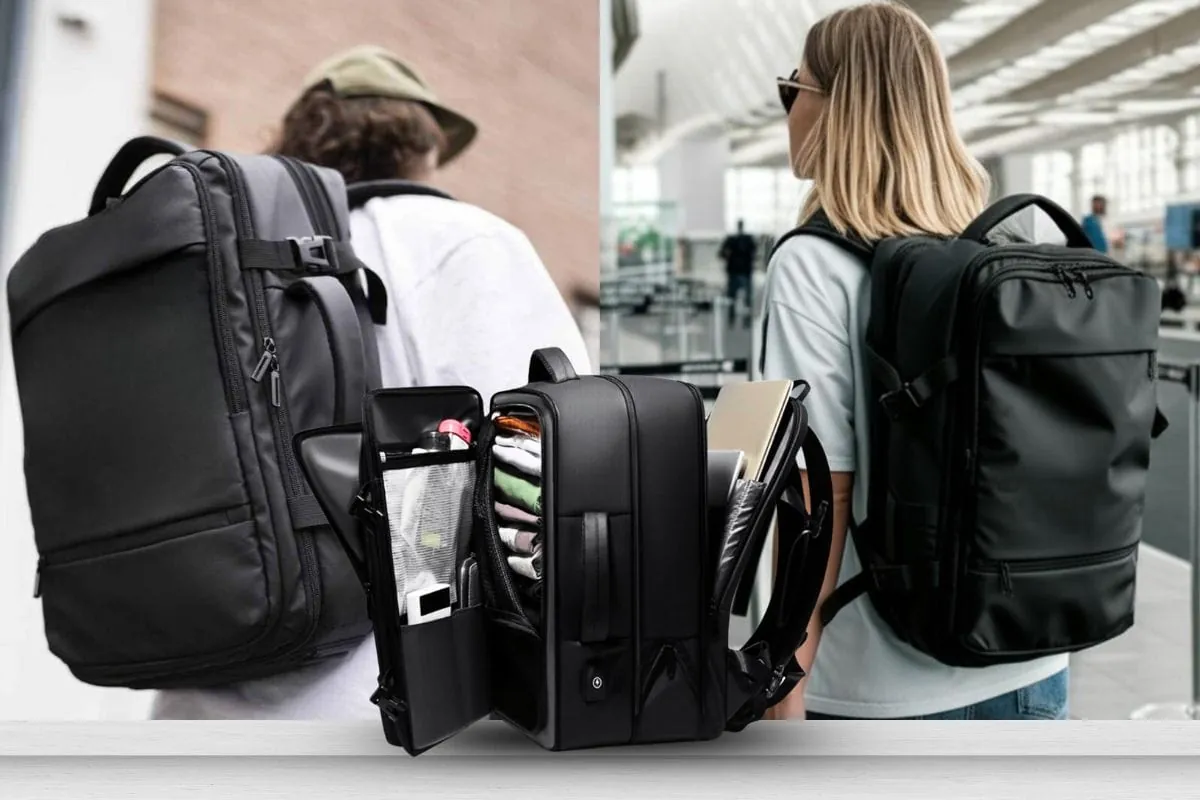
- Measure your rolling luggage before leaving home to ensure it meets overhead bin dimensions.
- Choose a compressible daypack that easily slides under the airplane seat.
- Check your specific airline policy since budget carriers charge extra for overhead bags.
- Pack heavy electronics in your underseat bag to keep them accessible during the flight.
Carry On Suitcase and a Backpack
Most major airlines permit passengers to bring a carry on suitcase and a backpack into the cabin without paying extra fees. The larger rolling bag goes in the overhead bin, while the smaller backpack acts as your personal item and must fit completely under the seat. This two-bag system works perfectly for domestic flights on legacy carriers, though international budget airlines might enforce stricter rules.
What Counts as a Personal Item?
A personal item is any bag small enough to slide completely beneath the seat in front of you. Common examples include a standard daypack, a laptop messenger bag, a large purse, or a small duffel. Brands like Osprey, Patagonia, and The North Face make specific underseat backpacks designed exactly for this purpose. Avoid rigid frames, oversized hiking packs, or bags with bulky external pockets, as flight attendants will force you to gate-check them.
Airline Size Limits for Bags
Dimensions vary slightly between carriers, so always verify your specific baggage allowance before packing. The standard domestic overhead limit is usually twenty-two by fourteen by nine inches.
| Airline | Overhead Bin Limit | Personal Item Limit |
|---|---|---|
| Delta | 22 x 14 x 9 in | Must fit under seat |
| United | 22 x 14 x 9 in | 17 x 10 x 9 in |
| American | 22 x 14 x 9 in | 18 x 14 x 8 in |
| Southwest | 24 x 16 x 10 in | Must fit under seat |
Pro Tip: Always measure your luggage wheels and handles, as airlines include these protrusions in their total size calculations.
Budget Airlines vs Legacy Carriers
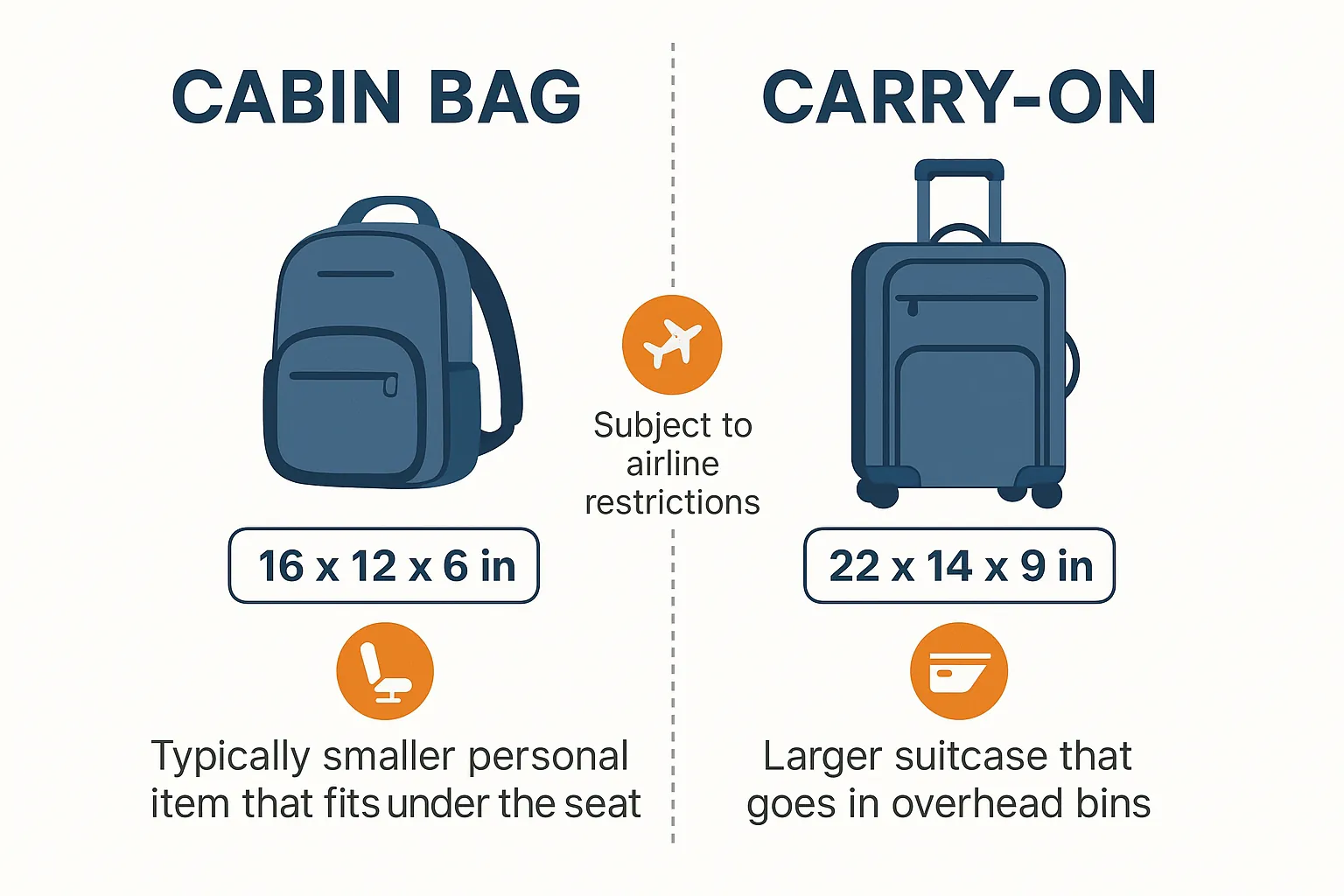
While legacy carriers include both bags in your base fare, ultra-low-cost carriers operate differently. Budget airlines often charge a separate fee for the overhead bin bag, allowing only the smaller underseat item for free.
| Carrier Type | Overhead Bag Policy | Underseat Bag Policy |
|---|---|---|
| Legacy (Delta, United) | Included in main cabin | Included in main cabin |
| Budget (Spirit, Frontier) | Extra fee required | Included in base fare |
| International Budget (Ryanair) | Extra fee required | Strict size limits apply |
Warning: If you bring an unpaid overhead bag to a budget airline gate, staff will charge you a steep penalty fee that costs much more than paying online.
What to Pack Underseat
Organizing your cabin baggage efficiently makes the flight much more comfortable. Keep essential items within arm’s reach so you never need to open the overhead bin mid-flight.
| Item Category | Specific Examples | Reason to Keep Close |
|---|---|---|
| Electronics | Laptop, tablet, power bank | Security rules and in-flight use |
| Health | Prescription meds, glasses | Immediate access if delayed |
| Documents | Passport, boarding pass, wallet | Needed for customs and purchases |
| Comfort | Neck pillow, earplugs, snacks | Easy retrieval during the flight |
Always keep your lithium batteries in the cabin, as checked luggage rules strictly prohibit them in the cargo hold.
How to Pack Both Bags
Distribute weight strategically between your rolling luggage and your backpack. Put bulky clothing, shoes, and toiletries in the overhead roller. Keep heavy electronics, travel documents, medications, and valuables in your underseat backpack. This ensures you can easily reach your laptop or passport without standing up and opening the overhead bin during turbulence. If your roller is heavy, use a bag with smooth spinner wheels to glide effortlessly through the terminal.
Can You Bring a Backpack?
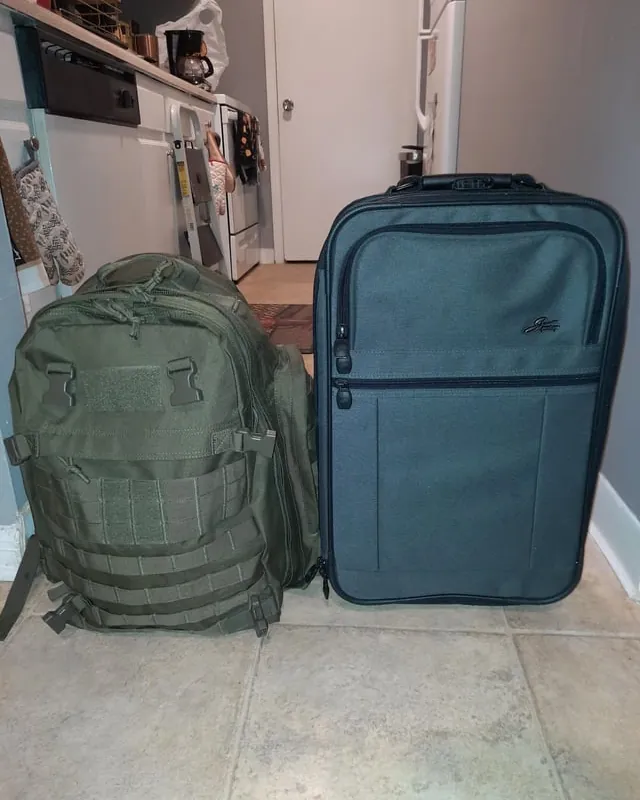
Yes, you can bring a backpack as long as it meets the size restrictions for a personal item. A standard twenty-liter daypack from brands like Herschel or Fjallraven easily passes the test. However, a massive fifty-liter hiking backpack won’t fit under the seat and will count as your primary overhead bag, meaning you can’t also bring a roller. Always check the liter capacity printed on the tag.
Tips for Boarding with Two Bags
Navigating the aisle with two bags requires good spatial awareness. Wear your backpack on your front or carry it by the top handle while walking down the aisle to avoid hitting seated passengers. According to the Federal Aviation Administration safety guidelines, keeping the aisle clear during boarding is crucial for emergency evacuation routes. Stow your roller first, then slide your personal item under the seat.
Frequently Asked Questions
Does a backpack count as a carry on?
It depends entirely on the size. A small daypack counts as a personal item, allowing you to also bring a roller. A large hiking backpack counts as your primary carry on bag, meaning you can’t bring a second overhead suitcase. Always measure your specific bag before heading to the airport.
Can I bring a purse and a backpack?
Yes, but one must be placed inside the other. Airlines only allow one personal item and one overhead bag. If you bring a purse and a backpack, you must stash the purse inside the backpack to comply with the baggage limit. Otherwise, the gate agent will charge you extra.
What happens if my personal item is too big?
If your bag exceeds the size limits, the gate agent will tag it. You’ll have to check it at the gate, often paying a hefty penalty fee on budget airlines. Always measure your travel bag beforehand to avoid these unexpected and frustrating costs right before you board the plane.
Do airlines weigh carry on bags?
Domestic US airlines rarely weigh cabin luggage, focusing mostly on dimensions. However, international and budget carriers frequently weigh bags at the gate. Ensure your combined bag weight stays under the specific limit printed on your ticket, as overweight fees can easily exceed the cost of your original flight.
Conclusion
Now that you understand the rules, measure your current luggage against your specific airline’s published dimensions. If your backpack is too large, consider purchasing a compressible daypack that easily squishes under the airplane seat for your next trip to avoid surprise fees and enjoy a much smoother boarding process at the gate.