
Yes, you can take a backpacking pack as a carry on, provided the dimensions fit the airline’s overhead bin requirements. If your bag is too large, you must check it at the gate. Measure your pack’s frame height and width before you head to the airport to avoid surprise fees.
When your backpacking pack can be carried on
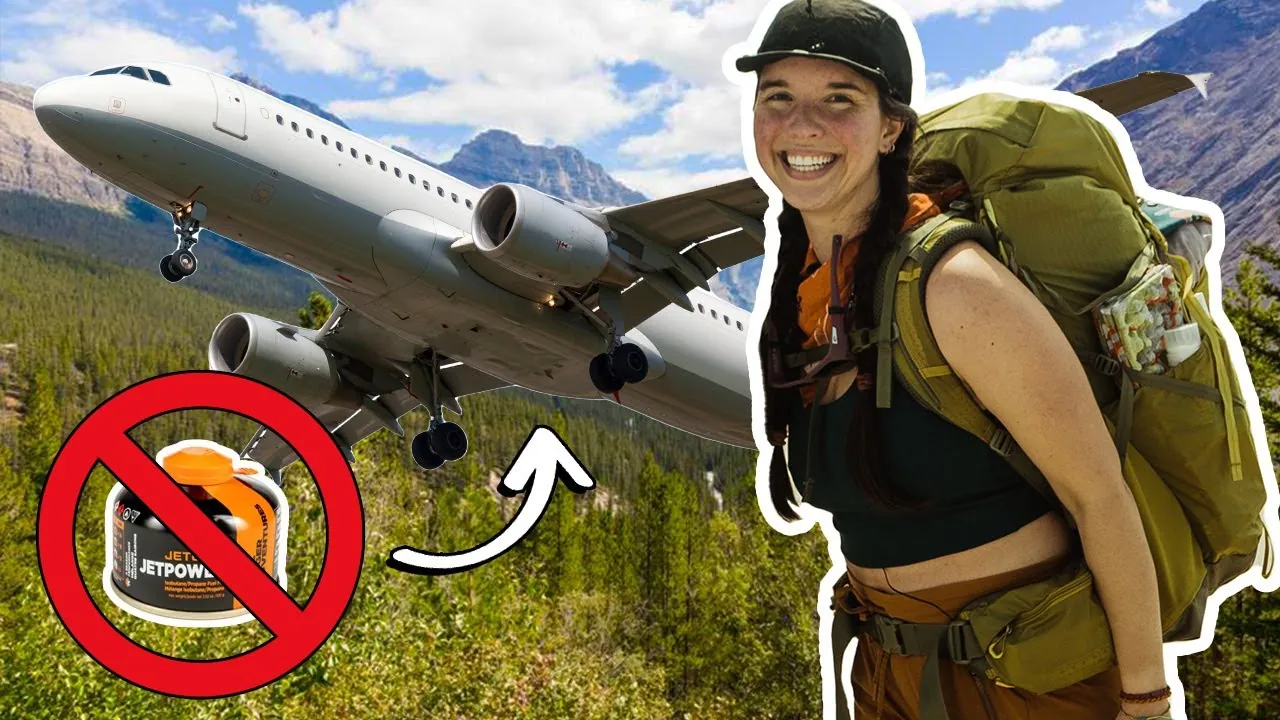
Most airlines allow a carry-on bag, but the size limits vary by company and flight type. You must check the specific limits for your airline, as these change depending on the aircraft size and your ticket class.
| Your situation | Answer | Why |
|---|---|---|
| Pack under 40 liters | Usually yes | Fits most overhead bins |
| Pack with rigid frame | Often no | Metal stays block closing |
| Bag is over 22 inches | No | Exceeds standard size limits |
| Soft-sided, half-empty pack | Yes | Compresses to fit bins |
| Full 60-liter pack | No | Too bulky for bins |
| Regional small jet flight | Maybe | Bins are very narrow |
How size limits decide your flight
The primary rule for carry-on luggage is its physical dimension, not its weight. Airlines set these limits to ensure every passenger has space in the overhead bin. Most major carriers, such as those following the Transportation Security Administration carry-on guidelines, restrict carry-ons to roughly 22 by 14 by 9 inches. If your pack exceeds these measurements, it won’t fit, even if it isn’t heavy.
Your pack’s frame is the biggest factor here. A rigid internal or external frame can’t shrink. If the frame is taller than the allowed height, the bin door won’t shut. If your pack is over the limit, you must check it; if it’s within the limit, you can carry it on.
Preparing your pack for the cabin
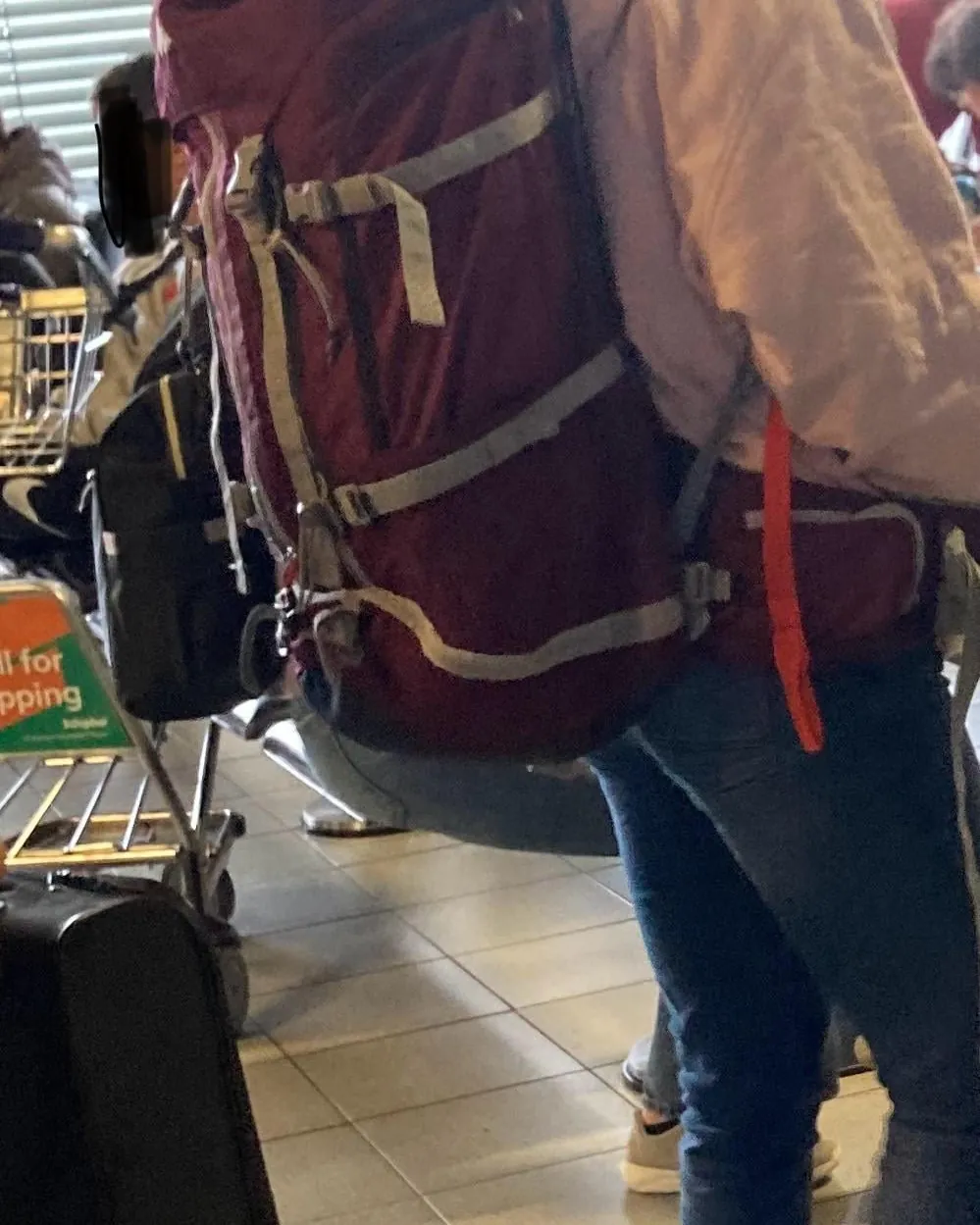
- Remove all external gear. Take off your sleeping pad, tent poles, and trekking poles, as these often exceed length limits or are banned by security.
- Loosen the compression straps. Pull the straps to tighten the bag’s profile so it sits flatter against your back and fits into the sizing bin.
- Check the frame height. Lay the pack flat and ensure the rigid part of the frame doesn’t exceed 22 inches, or you may be forced to gate-check it.
- Organize your liquids. Place your one-quart bag of liquids in an outer pocket for easy access during the security screening process.
- Attach a removable daypack. If you have a detachable top lid or daypack, take it off and carry it as your “personal item” to save main compartment space.
The mistake that costs travelers money
The most common mistake is failing to remove trekking poles or sharp items before reaching security. Travelers often forget these items are inside side pockets, which forces security agents to confiscate them or requires the traveler to leave the line to check the bag.
This mistake costs you the price of your gear or a last-minute checked bag fee. Always perform a thorough gear sweep at home. Open every zipper and inspect every pocket to ensure no prohibited items are hiding inside your pack before you leave for the terminal.
When to stop and get help
- Your pack frame is clearly too wide for the overhead bin, which risks damage to the plane.
- You’re carrying tools or gear that trigger a security alert, meaning you need a professional to verify safety.
- The airline staff insists on measuring your bag and it fails the size check, so you must accept the gate-check.
If your bag exceeds the size requirements, you must pay the airline’s checked baggage fee. Attempting to force a bag into a bin can break the bin mechanism or damage your own pack.
Frequently asked questions
Can I bring a 50-liter backpack as a carry on?
Usually no, because a 50-liter pack is typically too tall for standard overhead bins. You should measure your pack’s frame height; if it exceeds 22 inches, it won’t pass the airline’s size requirements.
Is it safe to put a backpack in the overhead bin?
Yes, it’s safe, provided you place the bag with the frame side down. Ensure no loose straps are hanging out, as these can get caught in the bin mechanism when you or others close it.
How long does it take to gate-check a bag?
It takes about 2 to 5 minutes to gate-check a bag, depending on the airline staff’s process. You’ll need to wait at the aircraft door or the baggage claim area to retrieve your pack after landing.
What happens if my pack doesn’t fit in the sizer?
You must check the bag at the gate, which often incurs a fee. The airline will take your pack and place it in the cargo hold, and you’ll retrieve it at your final destination’s baggage claim.
Do airlines weigh carry on backpacks?
Rarely, but they do reserve the right to weigh them. Most airlines focus on the physical dimensions of the bag, but budget carriers may weigh bags to ensure they stay under the 15 to 22-pound limit.
Does it matter if my pack is soft-sided?
Yes, it matters because a soft-sided pack is easier to compress. If your pack isn’t stuffed to the brim, you can often push it into the sizing bin even if it’s slightly over the standard limits.
Can I carry trekking poles on the plane?
No, you can’t carry trekking poles in your carry-on bag. Security regulations require you to pack these in your checked luggage, as the metal tips are considered prohibited items in the aircraft cabin.
Conclusion
Start by measuring your pack’s frame against your airline’s specific size limit found on their website. If it fits, you can proceed to the gate, but be ready to check it if the flight is full. If the frame is too rigid or large, check it early to avoid gate fees.