
Yes, you can bring a purse and backpack on plane as long as they fit the airline’s carry-on rules. Most airlines allow one personal item and one carry-on bag per passenger. You should check your airline’s website for size limits before you head to the airport.
Rules for Bringing a Purse and Backpack on a Plane
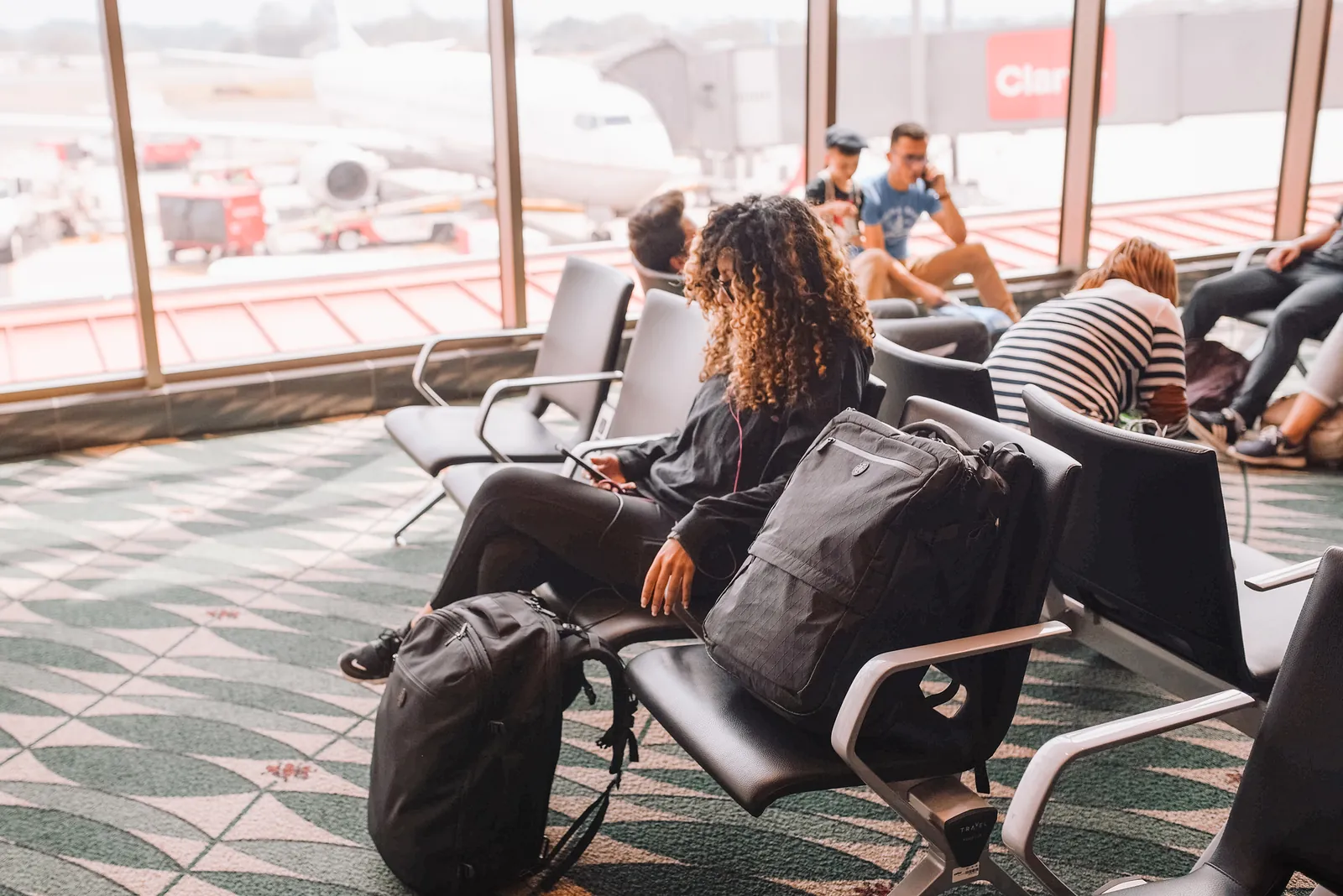
Every airline sets its own limits for what you can carry into the cabin. A personal item must fit under the seat in front of you, while a carry-on bag usually goes in the overhead bin.
| Your situation | Answer | Why |
|---|---|---|
| Backpack fits under seat | Yes | Counts as personal item |
| Purse is small/compact | Yes | Usually counts as handbag |
| Both bags are large | No | Only one carry-on allowed |
| Flying on basic economy | Yes | Personal item is included |
| Traveling with infant | Yes | Diaper bag is extra |
| Backpack is oversized | No | Must be checked instead |
How Airlines Decide Baggage Limits
Airlines define these limits to ensure every passenger has space for their belongings. A personal item is typically restricted to a smaller size, such as 18 x 14 x 8 inches, to ensure it slides easily beneath the seat. Meanwhile, overhead bin space is reserved for larger carry-on bags that meet standard size requirements, often around 22 x 14 x 9 inches.
The primary rule is that your items must not block the aisle or impede emergency exits during flight. If your backpack is too large to fit under the seat, the crew may require you to check it at the gate. This often incurs a fee depending on your ticket type. If you’re flying with a budget carrier, then check their specific dimensions; if you’re flying with a full-service airline, then standard limits usually apply.
If You Go Ahead
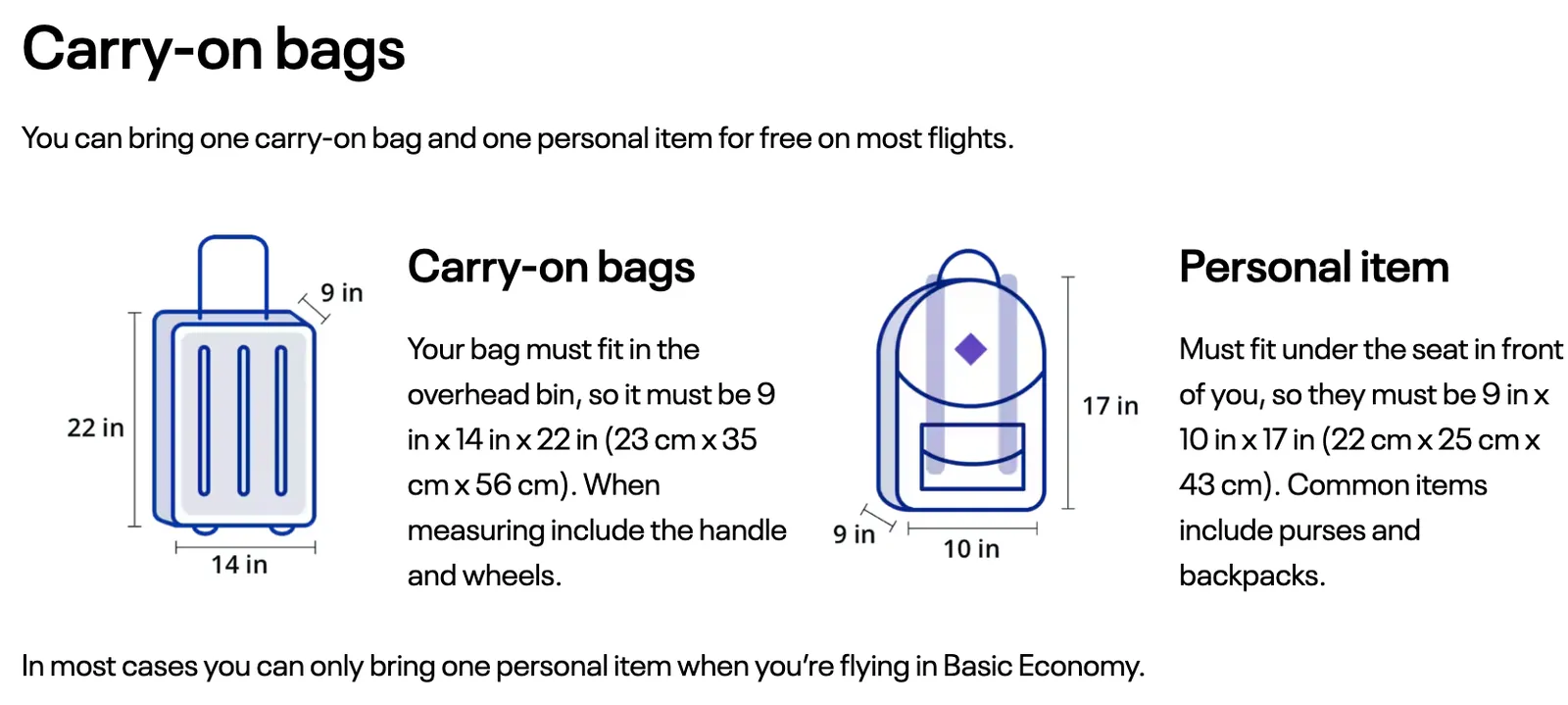
- Measure your backpack dimensions. Use a soft tape measure to check the height, width, and depth of your bag while it’s full.
- Pack your purse inside the backpack. If the airline strictly enforces a “one bag” policy, keeping your purse inside your backpack counts as a single item.
- Verify the weight limit. Some airlines, particularly international carriers, enforce a total weight limit for cabin bags, often ranging from 7 to 10 kilograms.
- Confirm your airline’s policy. Check the official TSA carry-on baggage guidelines to see which items are permitted through the security checkpoint.
- Prepare for gate checking. Have a plan to remove your essential electronics and medications from your backpack just in case you need to check the bag at the last minute.
The Biggest Mistake Travelers Make
The most common mistake is assuming that a “personal item” can be any size as long as it’s a backpack. This error often costs travelers a gate-check fee, which is inexpensive relative to the cost of a checked bag.
Always measure your bag before you leave home to ensure it meets the specific under-seat dimensions published on your booking confirmation or the airline’s official website. A quick check at the airport’s bag sizer stand can save you from unexpected costs and the stress of moving items at the boarding gate.
When to Stop and Seek Help
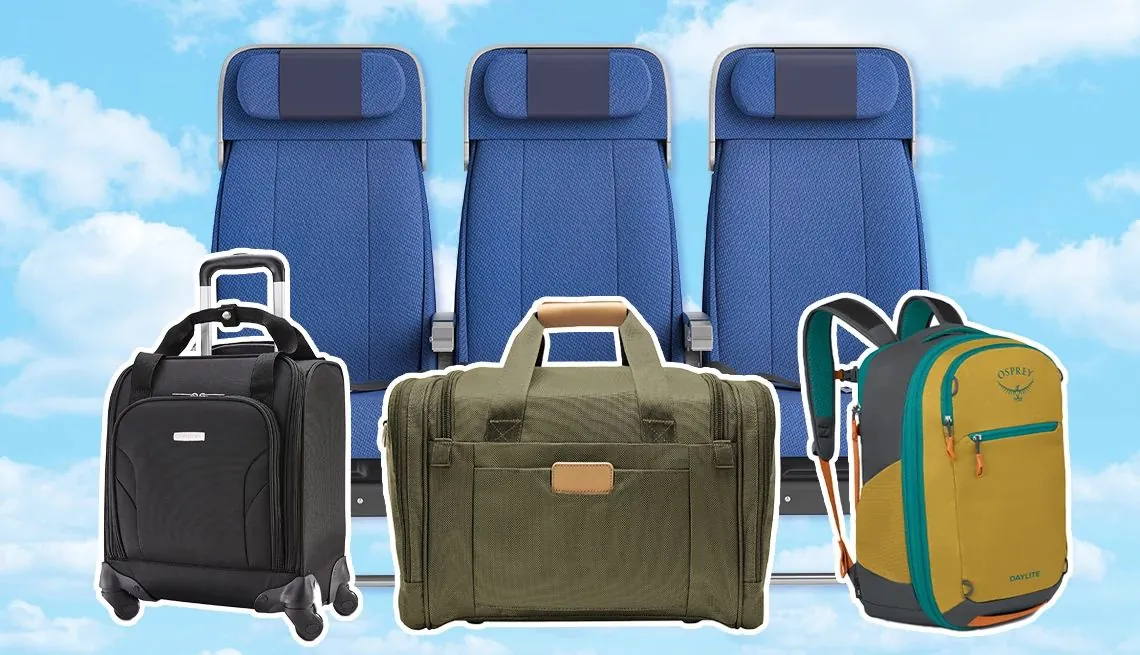
- The bag exceeds the airline’s stated dimensions by more than 2 inches, which usually means it must be checked.
- You’re carrying restricted items, such as large liquids or tools, which require professional handling or shipping.
- Your items exceed the total weight allowance, as airport staff won’t allow you to board without paying excess baggage fees.
If you reach these limits, speak with a gate agent immediately. They’re the only ones who can authorize an exception or process your bag for the cargo hold.
Frequently asked questions
Can I bring a purse and a backpack on a plane for free?
Yes, most airlines allow one personal item and one carry-on bag for free, though some budget carriers charge for overhead bin space. Check your specific ticket rules to confirm your included baggage allowance.
Does a laptop bag count as a personal item?
Yes, a laptop bag is generally considered a personal item. If you carry a laptop bag plus a backpack and a purse, you’ll likely be asked to consolidate them into two total items.
How big can my backpack be for under the seat?
The standard size for an under-seat bag is 18 x 14 x 8 inches. Always check your airline’s specific website, as these dimensions vary slightly between different carriers and aircraft types.
What happens if my bags are too big at the gate?
You’ll be required to check the bag at the gate, which may result in a fee. This is common if the flight is full and overhead bin space is limited for all passengers.
Are purses counted as bags by airlines?
Yes, airlines count a purse as a personal item if it’s used to carry your belongings. You must ensure your purse and backpack combined don’t exceed the airline’s limit of two bags.
Can I carry a backpack and a purse as my two allowed items?
Yes, you can carry both as long as one fits under the seat and the other fits in the overhead bin. Ensure your combined items meet the airline’s weight and size constraints.
Is it safe to put my valuables in my backpack?
Yes, you should keep your valuables in your carry-on or personal item. Never put expensive items, cash, or essential medications in a bag that might be checked at the gate or the ticket counter.
Conclusion
Pack your backpack first to ensure it fits the under-seat dimensions, then place your purse inside if you need to save space. You should expect the gate agent to check your bag size if it looks large. If you’re asked to pay a fee, stop and ask about the current gate-check policy.