
Yes, you can bring a backpack as carry on on almost every commercial airline. The main condition that changes this is your bag’s outer dimensions when fully packed, which can’t exceed the airline’s overhead bin limits.
Bringing your backpack as a carry on
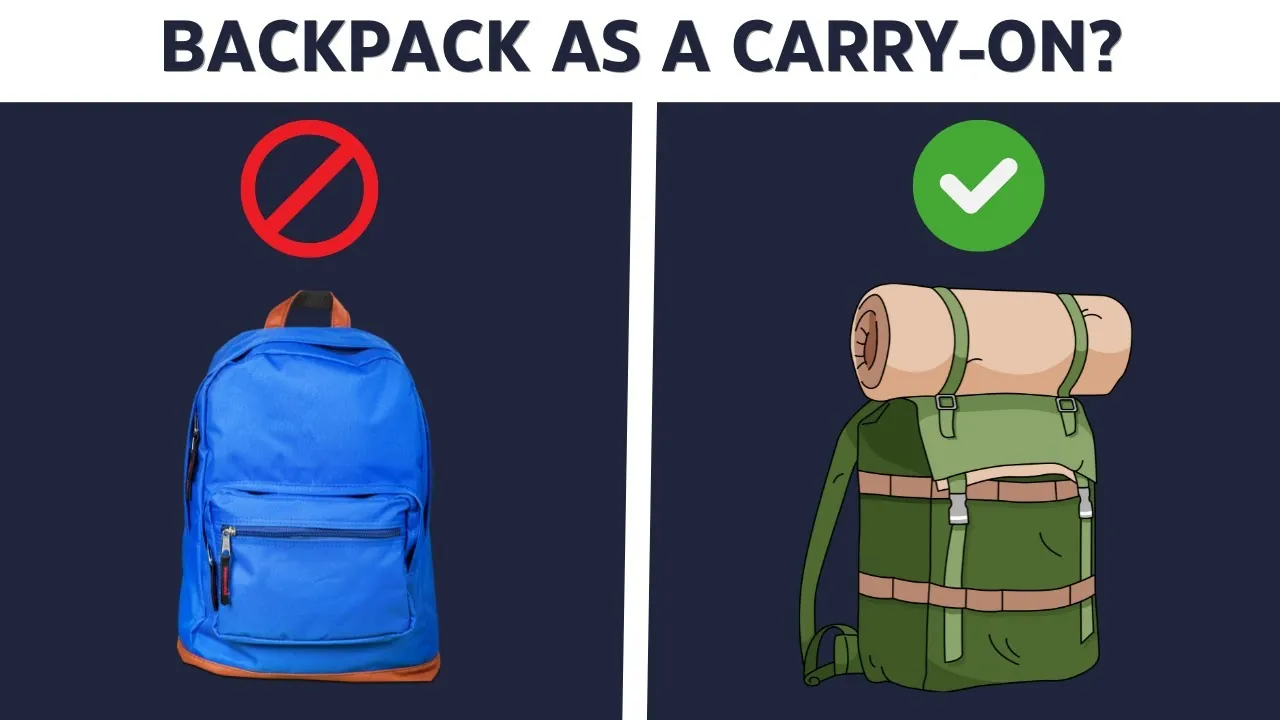
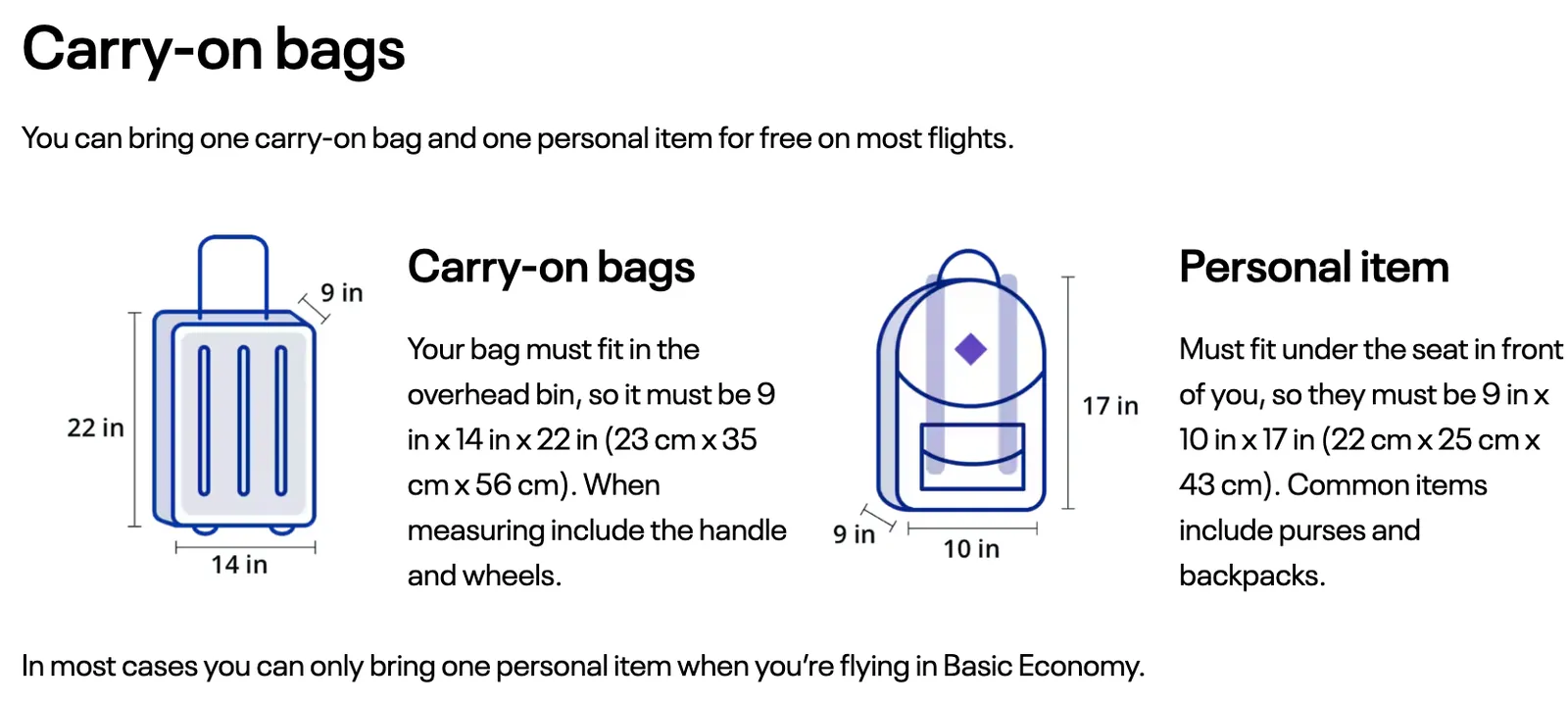
Your pack’s volume and rigid frame decide whether the crew accepts it in the cabin. Most airlines allow standard bags up to 22 x 14 x 9 inches for the overhead compartment, or roughly 18 x 14 x 8 inches for under-seat storage.
| Your situation | Answer | Why |
|---|---|---|
| Daypack under 25 liters | Yes, personal item | Fits easily under the forward seat |
| Travel pack 30 to 45 liters | Yes, carry-on | Meets overhead bin size requirements |
| Hiking pack over 50 liters | No, check it | Exceeds cabin length limits |
| Basic economy ticket | Usually under seat only | Overhead access often costs extra |
| Rigid external frame pack | No, check it | Frame won’t fit standard sizers |
| Regional flight on small plane | Gate-check likely | Overhead bins have smaller openings |
How bag dimensions decide cabin access
Your backpack’s dimensions determine its storage location. A soft backpack expands when you stuff it full, so a pack rated for 40 liters can easily bulge past the airline’s maximum depth limit of 9 inches. Rigid stays or internal aluminum frames also create hard stops that don’t bend when placed into airport metal sizing bins.
Weight limits matter heavily on carriers outside the United States. Many European, Asian, and Australian airlines enforce a strict limit between 15 and 22 pounds (7 to 10 kilograms) for cabin luggage. US domestic carriers usually don’t weigh carry-on bags, but you must lift the pack into the overhead locker yourself without crew assistance.
Getting your backpack through the gate
Packing properly keeps your backpack within size rules and speeds up airport boarding. Follow these steps to ensure airline staff accept your bag at the gate:
- Measure the packed bag from the bottom base to the top handle to confirm it stays under 22 inches long. The ruler shows your real total height including hardware.
- Cinch all compression straps as tight as possible to flatten thick layers. The side profile visibly thins down below 9 inches.
- Pack heavy items in the middle near your spine so the fabric doesn’t sag outward. The backpack maintains a straight, slim rectangular shape.
- Tuck loose harness straps inside the back panel or buckle them flat. No loose webbing catches on the metal bin edges.
- Remove travel liquids and electronics to place them near the top opening. You pull them out quickly at security without unpacking.
This process isn’t for wilderness hikers carrying fixed metal frame packs over 55 liters, as those belong in the hold.
Follow the TSA liquids rule by keeping all pastes and gels in containers of 3.4 ounces or less within a clear quart-sized pouch.
The mistake that costs extra gate fees
Measure your bag fully packed, not empty. Fabric expands when filled with clothes and shoes, turning an 8-inch deep bag into an 11-inch cylinder that fails the gate check.
Gate agents will force you to check oversized bags for a fee. Avoid this fee by testing your fully packed bag in a cardboard box or against a wall ruler before leaving home.
Spotting when a backpack must be checked
Certain gear simply can’t travel in passenger cabins under standard aviation rules. Look for these clear warning signs that your pack must go into the cargo hold:
- The pack length exceeds 24 inches including the top collar, which stops overhead bins from latching shut.
- The bag holds tent stakes, trekking poles, or multi-tools with blades, which airport security screeners will confiscate.
- You can’t lift the pack over your head safely, meaning it presents a physical hazard to other passengers during turbulence.
If your pack includes any of these items or dimensions, visit the ticket counter before security to pay for a standard checked bag.
Frequently asked questions
Can a backpack count as a personal item?
Yes, if the pack fits entirely under the seat in front of you. Most airlines require personal items to stay under 18 x 14 x 8 inches, which usually means a bag under 25 liters.
What size backpack is allowed as carry-on?
Standard carry-on limits allow backpacks up to 45 liters measuring 22 x 14 x 9 inches. Bags exceeding these measurements won’t fit inside standard overhead compartments on narrow-body commercial airplanes.
How much can a carry-on backpack weigh?
US domestic flights usually have no weight limit, but international airlines cap bags between 15 and 22 pounds. Always check your international carrier’s website for their exact cabin luggage allowance before flying.
Can you bring two backpacks on a plane?
Yes, if your ticket includes both a carry-on and a personal item. You put the larger 40-liter backpack overhead and the smaller daypack completely under the seat in front of you.
What happens if your backpack is too big?
The gate agent forces you to gate-check the backpack into the cargo hold. Budget carriers will charge an extra handling fee that’s significantly more expensive than the cost of a standard carry-on right at the gate.
Is a hiking backpack allowed as cabin luggage?
Only if the hiking pack measures under 22 inches long and lacks sharp tools. Most wilderness packs over 50 liters feature tall internal metal stays that exceed commercial airline size boxes.
Checking your backpack before you fly
Measure your packed bag with a tape measure along its longest side to verify it stays within your airline’s listed carry-on dimensions. A clean fit below the maximum dimensions ensures the crew lets you board without delay. If your bag bulges past the size limit or holds restricted camping gear, take it directly to the check-in desk to pay for checked baggage before security.
Related guides