
Yes, you can absolutely use a backpack as your carry-on bag for air travel, provided it meets the airline’s specific size and weight restrictions. Most major carriers treat a backpack exactly like a standard carry-on suitcase, meaning it must fit within the overhead bin or underneath the seat in front of you. As long as your bag doesn’t exceed the carrier’s maximum dimensions, you’re free to choose a soft-sided backpack over a traditional rolling suitcase.
Key Takeaways
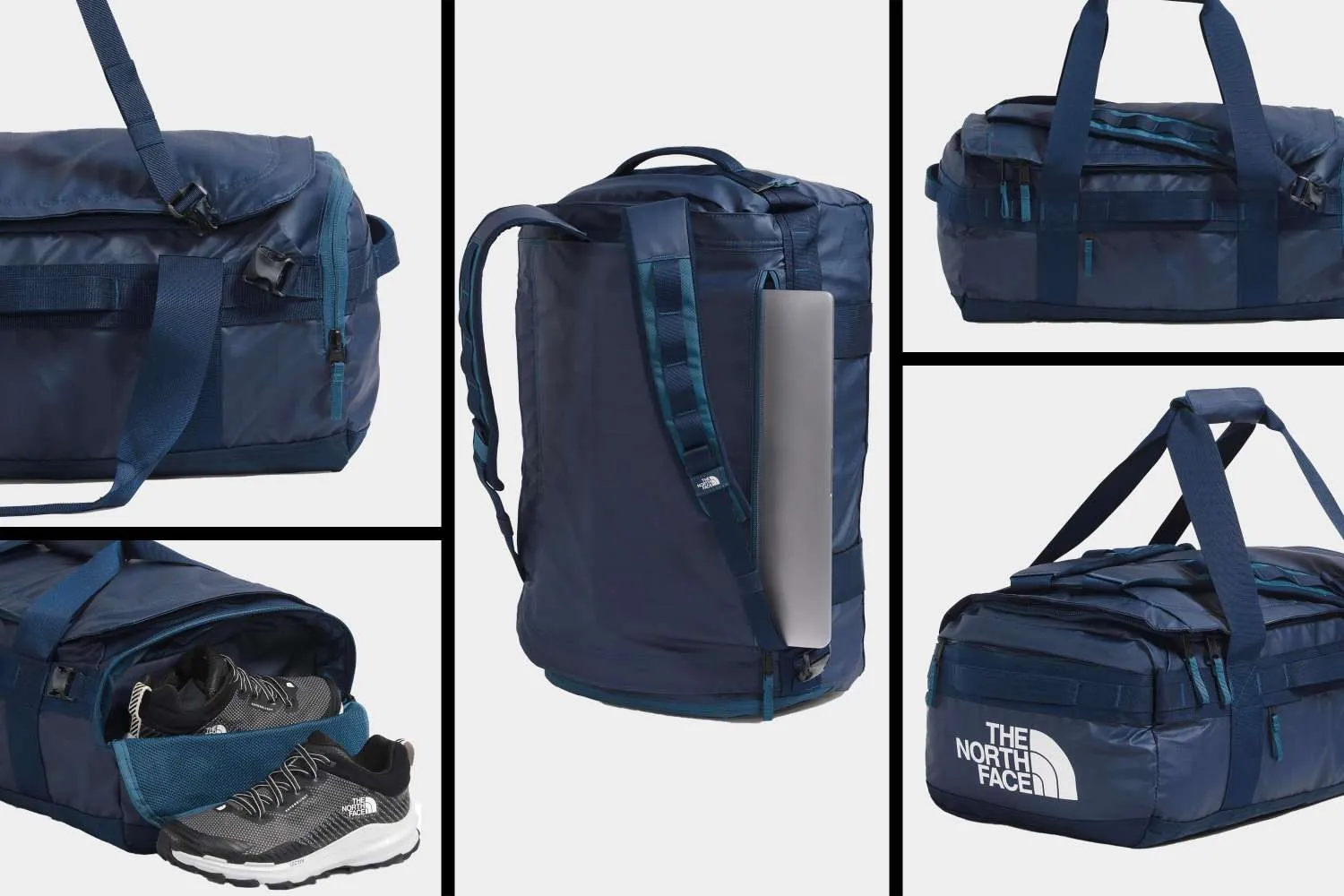
- Confirm your airline’s specific size limits before heading to the airport.
- Measure your bag while it’s fully packed to ensure it fits the sizing bin.
- Keep your laptop and liquids accessible for quick security screening.
- Distribute weight evenly across the backpack straps to avoid back strain.
- Ensure your bag doesn’t exceed the weight limit, typically 15 to 40 pounds.
Can My Carry On Bag Be A Backpack?
The short answer is yes, a backpack is a perfectly acceptable form of carry-on luggage. Airlines don’t care about the shape of your bag, only its dimensions and weight. Whether you carry a hard-shell suitcase or a tactical backpack, the same rules apply regarding what you can bring through the security checkpoint. The primary advantage of a backpack is its portability, allowing you to navigate through crowded terminals and public transport with your hands completely free.
Understanding Size And Weight Limits
Every airline establishes its own rules for carry-on items. While the industry standard for overhead storage is roughly 22 by 14 by 9 inches, these figures fluctuate based on the carrier and the type of aircraft. You can find the TSA carry-on baggage guidelines on the official website of the Transportation Security Administration. Always verify the limits for both your carry-on and your personal item, as many airlines allow one of each.
| Bag Category | Typical Size Range (inches) | Typical Weight Range (pounds) |
|---|---|---|
| Carry-On Backpack | 18x12x8 – 22x14x9 | 15 – 40 lbs |
| Personal Item | 16x11x6 – 18x14x8 | 10 – 25 lbs |
Selecting The Right Travel Backpack
Not all backpacks are designed for air travel. When choosing a bag, look for features that make the airport experience smoother. A dedicated laptop sleeve is vital for security, while compression straps help you keep the bag within the required dimensions. Avoid overstuffing your pack, as a bulging bag may not fit into the airline’s metal sizing frame at the gate, which could force you to gate-check your luggage.
Efficient Packing Strategies
Photo: www.gorick.com on Google
To maximize your limited space, use packing cubes to organize your clothing. Roll your garments tightly to save room and prevent wrinkles. Place heavy items, such as shoes or toiletry kits, at the bottom of the backpack near your back to ensure the center of gravity remains stable. This simple adjustment makes the bag feel significantly lighter while you’re walking through the terminal.
Navigating Security Checkpoints
Security screenings are the most stressful part of travel. To breeze through, pack your liquids in a clear, quart-sized bag at the very top of your backpack. Ensure all electronics larger than a cell phone are easily accessible, as you may need to remove them from your bag for inspection. If you use a specialized tech-friendly backpack, you might be able to leave your laptop inside, but always be prepared to remove it if requested by the agent.
Comparing Luggage Options
Choosing the right bag depends on your trip duration and your personal comfort preferences. While a rolling suitcase might be better for heavy loads, a backpack offers superior versatility for travelers moving between trains, buses, and planes.
| Luggage Type | Best Use Case | Convenience Level |
|---|---|---|
| Rolling Suitcase | Business trips, heavy gear | High for flat surfaces |
| Travel Backpack | Adventure travel, walking | High for transit hubs |
| Duffel Bag | Sports equipment, gym | Medium for organization |
Managing Your Personal Item
Most airlines allow a carry-on bag plus one personal item. Your personal item must be small enough to slide comfortably under the seat in front of you. A small daypack, a purse, or a laptop bag usually qualifies. By utilizing both your main carry-on and your personal item, you can maximize your total storage space without incurring additional baggage fees for checked items.
Troubleshooting Common Issues
Photo: olympiafitness.com.br on Google
Warning: Always check your backpack’s dimensions after you have packed it full. A bag that measures within limits when empty often expands when stuffed with gear, potentially exceeding the airline’s allowed size.
If your bag is too large, you may be required to gate-check it. This can lead to unexpected fees if you’re flying on a budget carrier. To avoid this, use a luggage scale to check your weight before leaving home. If you’re near the limit, consider wearing your heaviest coat or boots during the boarding process to reduce the burden on your bag.
Frequently Asked Questions
Does my backpack count as a carry-on or personal item?
It depends on the size. If it fits under the seat in front of you, it’s usually considered a personal item. If it’s larger and needs to go in the overhead bin, it counts as your carry-on bag. Always check your airline’s specific policy on dimensions to determine which category your particular backpack falls into for your flight.
Can I bring a hiking backpack as a carry-on?
Yes, you can bring a hiking backpack as long as it meets the size requirements. Keep in mind that hiking packs often have external frames or dangling straps that can snag on equipment. It’s best to use a travel-specific backpack with stowable straps to ensure it remains compact and complies with airline safety standards regarding loose gear in the cabin.
Are there weight limits for backpacks?
Yes, airlines impose weight limits on carry-on bags. These typically range from 15 to 40 pounds, depending on the carrier and your ticket class. While agents don’t always weigh every bag, they reserve the right to do so at the gate. If your bag exceeds the limit, you might be forced to check it into the cargo hold, which often incurs a fee.
What should I do if my backpack is slightly too big?
If your bag is slightly over the limit, try to remove items and wear them instead. Put on your heaviest sweater or jacket and place smaller items in your pockets. If the bag is still too large, you may have to gate-check it. To prevent this, always measure your bag while it’s fully packed before heading to the airport to ensure it fits the sizing bin.
Can I carry liquids in my backpack?
Yes, but you must follow the 3-1-1 rule. Each passenger is allowed liquids, gels, and aerosols in containers of 3.4 ounces or less, all placed in a single, clear, quart-sized bag. This bag must be removed from your backpack and placed in a separate bin during the security screening process to ensure all items are clearly visible to the officers.
Conclusion
Ensure your bag is organized and within the airline’s size guidelines before you arrive at the airport. By checking the dimensions of your specific pack and keeping your liquids and electronics accessible, you’ll navigate security and boarding with confidence. Start by measuring your bag today to ensure your next trip is completely stress-free and efficient.