
Yes, you can travel with a backpack and carry on bag as long as their combined size and weight meet the airline’s policy. Most travelers find that you can travel with a backpack and carry on bag without extra fees if the backpack fits under the seat in front of you.
Travel rules for backpacks and carry-ons
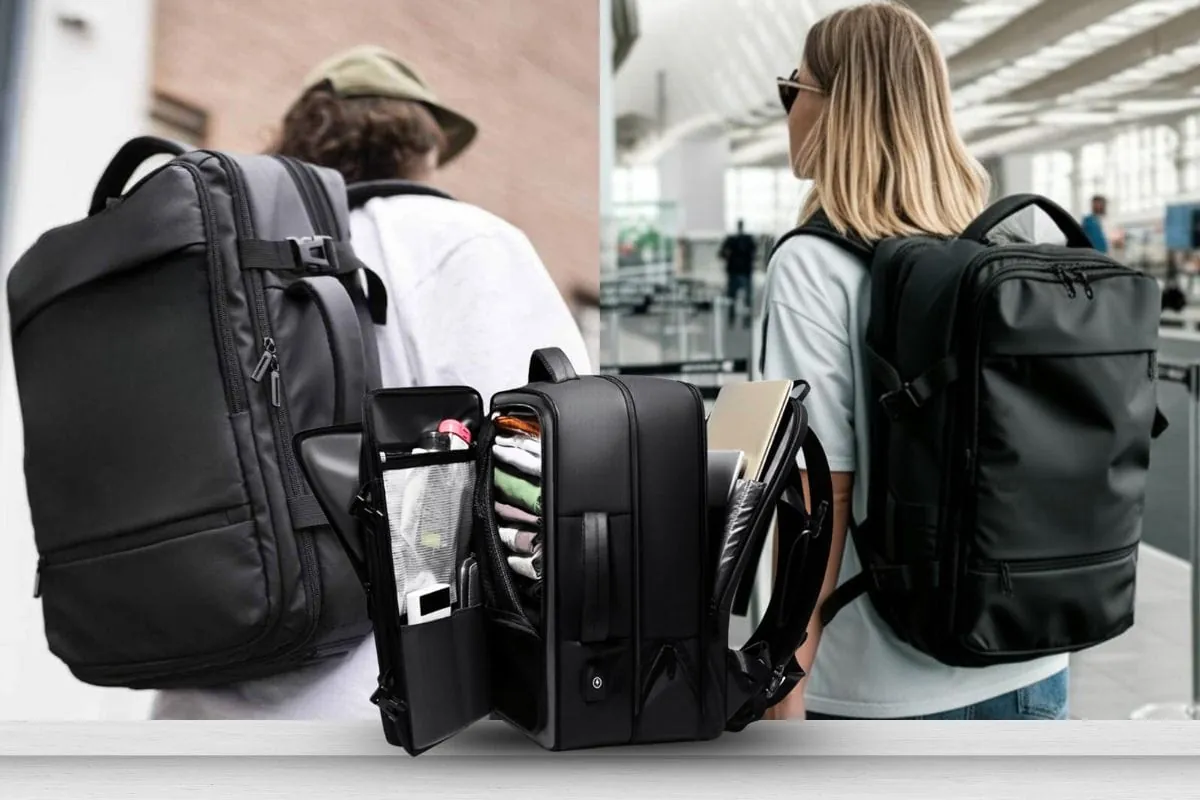
You must check your specific airline’s website before arriving at the airport to ensure your bags fit their requirements. While many carriers allow one carry-on and one personal item, the definition of these items changes based on the ticket class and the specific company policy.
| Your situation | Answer | Why |
|---|---|---|
| Standard economy flight | Yes | Most allow one bag plus a personal item. |
| Basic economy ticket | Usually not | Often limits you to one personal item only. |
| Regional small aircraft | Sometimes | Overhead bins are too small for large bags. |
| International long-haul | Yes | Most allow two standard pieces of luggage. |
| Low-cost carrier | Varies | Often charge extra for any overhead bag. |
| Connecting flights | Yes | Check the rules for the strictest airline. |
Why size and weight matter
The primary factor determining if you can bring both bags is whether the airline classifies your backpack as a “personal item.” A carry-on bag is typically intended for the overhead bin, while a personal item must be small enough to slide completely under the seat in front of you. If your backpack is too large to fit under the seat, the gate agent may force you to check it as luggage, which often incurs a fee. Airlines like United Airlines describe their specific personal item dimensions to help passengers avoid these surprise costs at the gate. If your bag is within the size limit, you’re usually safe; if it exceeds those dimensions, you’ll likely pay a checked bag fee.
How to pack for two bags
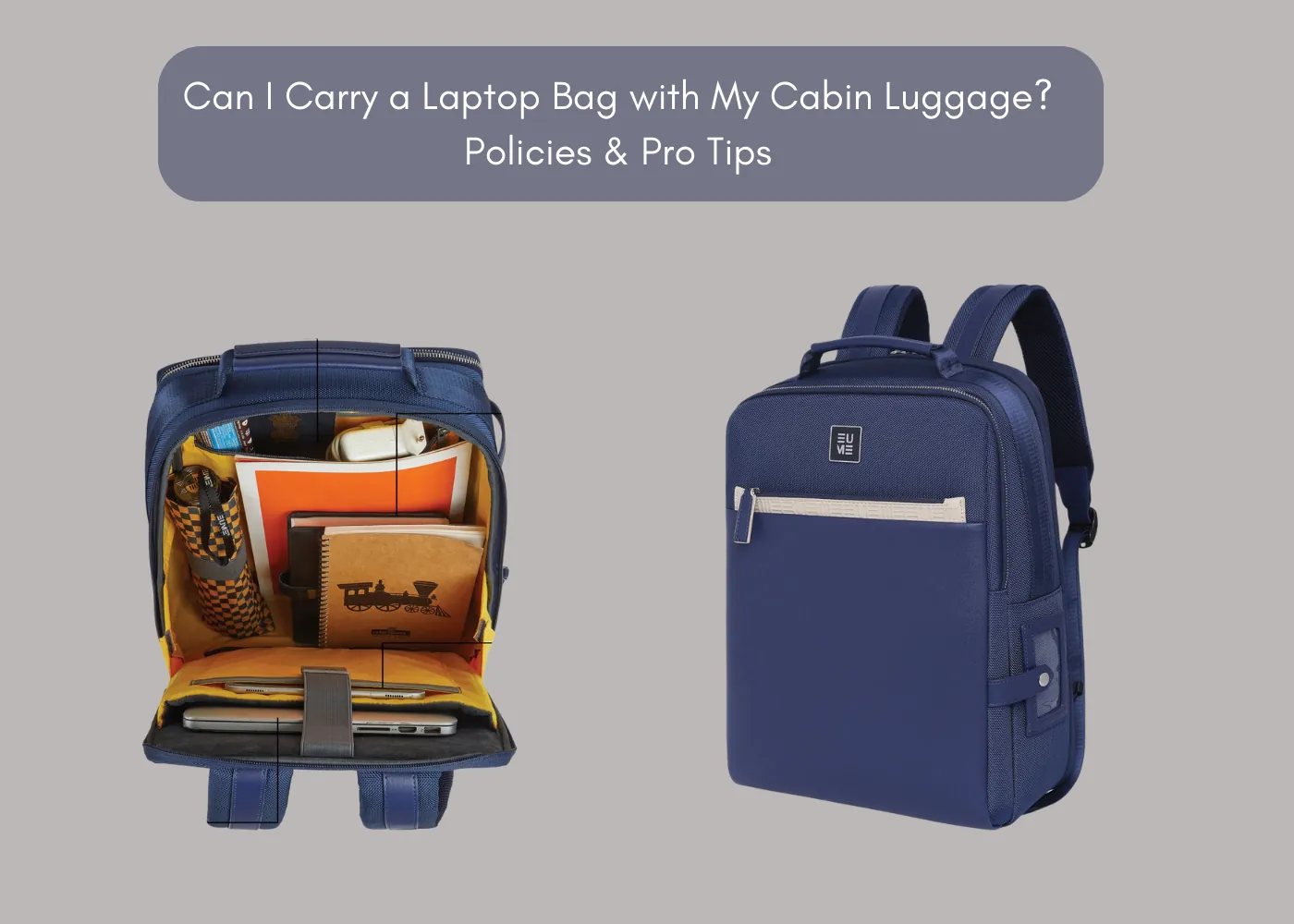
- Measure your backpack: Ensure it fits within the standard personal item dimensions, which are usually around 17 x 10 x 9 inches.
- Pack heavy items in the carry-on: Place your heavier electronics and books in the carry-on bag to keep the backpack light and easy to handle.
- Use compression cubes: Shrink your clothing volume so that both bags remain well under the maximum weight limits for your flight.
- Verify the weight limit: Check your airline’s website for the total weight allowance, which typically ranges from 15 to 22 pounds for carry-on items.
- Keep documents accessible: Place your passport, boarding pass, and phone in a small outer pocket of your backpack for quick access during security checks.
The common packing mistake
The most frequent error is overstuffing the backpack so it no longer fits under the seat. When a bag is too full, it becomes rigid and bulky, preventing it from sliding into the under-seat space. This mistake often forces the gate agent to move the bag to the hold, costing you time at baggage claim and potentially a fee. You can avoid this by leaving at least two inches of empty space at the top of your backpack, which allows the bag to compress easily when you push it under the seat.
When to seek professional help
- Medical equipment: If you’re carrying specialized medical devices, contact the airline in advance to ensure they follow FAA or local safety regulations.
- Excessive bag weight: If your bag exceeds the airline’s weight limit, you must check it to avoid violating safety protocols for overhead bin capacity.
- Restricted items: If you have items that trigger security alarms, speak with a TSA officer rather than trying to force them through the scanner.
- Connecting international flights: If you have a short connection between different airlines, consult a ground agent to ensure your bags will be transferred correctly.
Frequently asked questions
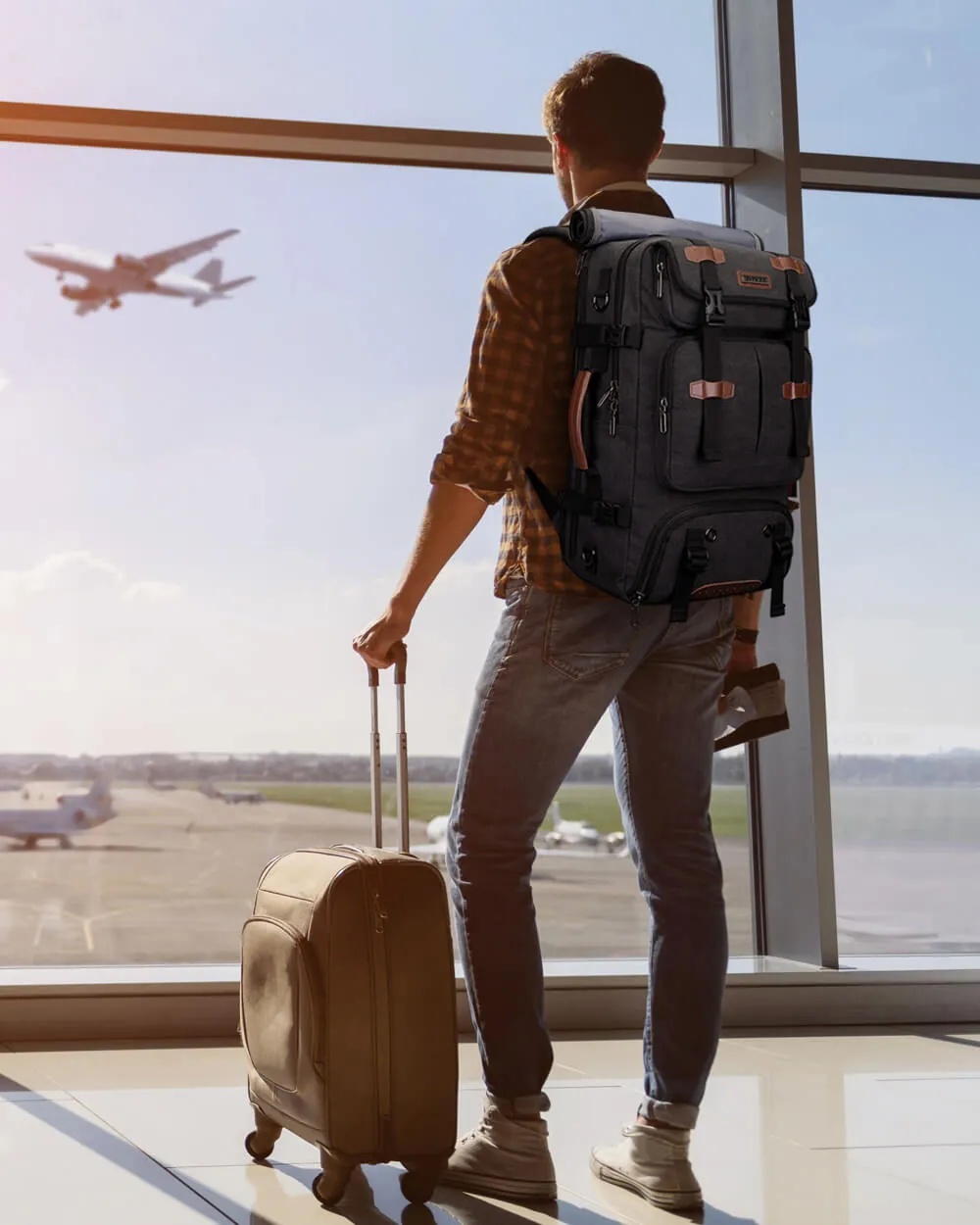
Can I bring a backpack and a rolling suitcase?
Yes, you can bring both if the backpack counts as your personal item and the suitcase is your carry-on. You must ensure the backpack fits under the seat to avoid being charged for a second carry-on.
Is it safe to put my laptop in the backpack?
Yes, it’s safe as long as you use a padded sleeve to protect the device from impact. Always keep your laptop in your personal item so it stays with you at your feet.
How much does it cost to check a bag?
It varies by airline, but domestic checked bag fees are generally inexpensive compared to other travel costs. Check your specific airline’s fee schedule online to see the exact price for your route and ticket class.
Does it matter if my backpack is heavy?
Yes, it matters because most airlines have a combined weight limit for carry-on and personal items. If the total weight exceeds the airline’s stated limit, you may be required to check one of the bags.
What happens if my bag doesn’t fit under the seat?
If it doesn’t fit, the gate agent will require you to check the bag into the cargo hold. This may result in a gate-check fee depending on your ticket type and airline policy.
How long can I keep my bags at the airport?
You can’t store bags in the boarding area, so you must keep them with you at all times. If you have a long layover, look for secure lockers or luggage storage services located inside the terminal.
Conclusion
Start by measuring your backpack against the airline’s personal item dimensions found on their website. If it fits, you can board with both bags; if the backpack is too large to fit under the seat, you should prepare to check it or pay an additional fee.