
Yes, you can have a carry-on and backpack on most flights, provided they fit the airline’s size and weight limits. Many travelers assume they need to combine these into one bag, but you can usually bring both as your carry-on and personal item. Check your airline’s specific baggage policy before arriving at the gate.
Can you bring a carry on and backpack
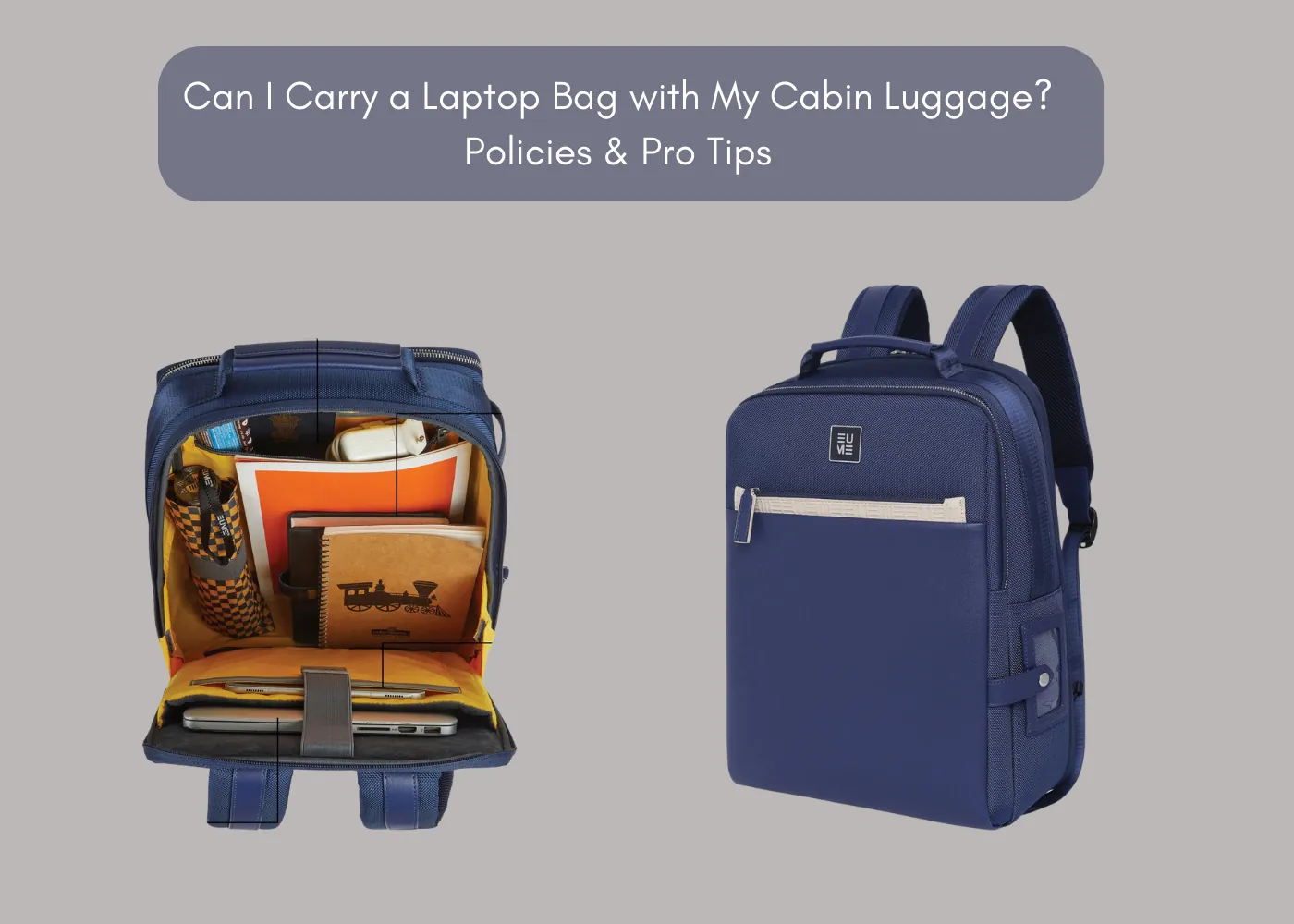
Most major airlines allow one carry-on bag and one personal item for every passenger. The carry-on typically goes in the overhead bin, while the personal item must fit under the seat in front of you.
| Airline Type | Carry-on Policy | Personal Item Policy |
|---|---|---|
| Major Carriers | Usually included | Always included |
| Budget Airlines | Often extra charge | Included if small |
| Basic Economy | Often restricted | Included if small |
| Regional Jets | Size limits apply | Always included |
| International | Varies by ticket | Always included |
What decides your baggage allowance
Your total allowance depends on your specific ticket type and the airline’s rules rather than a universal law. Budget airlines often sell “Basic Economy” tickets that restrict carry-on bags to save space, but they almost always allow a small personal item like a backpack. The key is the physical dimensions of your bags. A standard personal item must fit under the seat, which typically means it can’t exceed 18 x 14 x 8 inches, according to United Airlines baggage guidelines. If your backpack is larger than this, the gate agent may force you to check it as a carry-on or even a checked bag. If you have a small ticket, pack light; if you have a premium ticket, you have more flexibility.
Steps for packing your bags
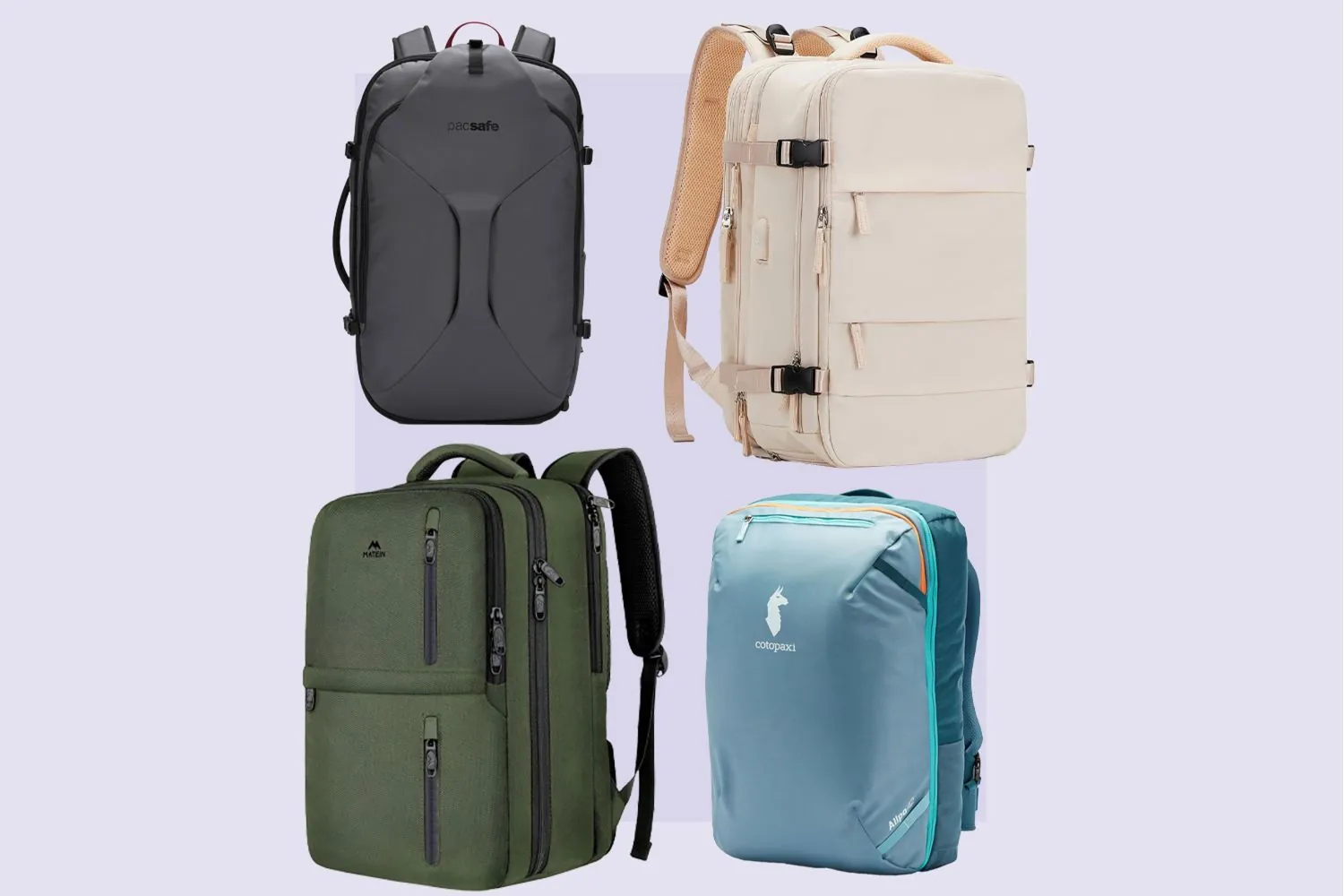
- Measure your backpack to ensure it meets the personal item dimensions of your airline.
- Pack heavy items in your carry-on suitcase to keep your backpack light and easy to slide under the seat.
- Verify the weight limit for your carry-on, which is often 22 pounds on many international carriers.
- Keep travel documents and electronics in your backpack for easy access during security screening.
- Confirm your boarding group to ensure there’s enough overhead bin space for your larger bag.
If you’re flying on a small regional jet, the airline might offer “gate checking” for your carry-on bag if the overhead bins are full. This is a free service, but you should remove all medications and batteries from the bag before leaving it at the end of the jet bridge.
The mistake that costs travelers money
The biggest mistake is bringing a backpack that’s too large to fit under the seat, which forces the airline to treat it as a second carry-on. If your airline’s policy only allows one carry-on and you show up with two large bags, they may charge you a heavy gate-check fee that’s quite expensive. To avoid this, always measure your backpack before you leave home. If it exceeds the dimensions listed on your booking confirmation, you must either pack fewer items to compress the bag or upgrade your ticket type to include an extra carry-on allowance.
When to stop and get help
You should stop trying to manage your bags yourself if you encounter these situations:
- The airline staff informs you that your bags exceed the weight limit, as you can’t safely adjust this at the gate.
- You’re traveling with medical equipment that requires special clearance, which must be arranged with the airline’s disability assistance desk.
- The gate agent identifies your bags as oversized, as they must handle the check-in process to avoid damage to your belongings.
If you reach this point, speak directly to the gate agent or the customer service desk. They’re the only ones who can waive fees or provide official guidance on oversized items.
Frequently asked questions
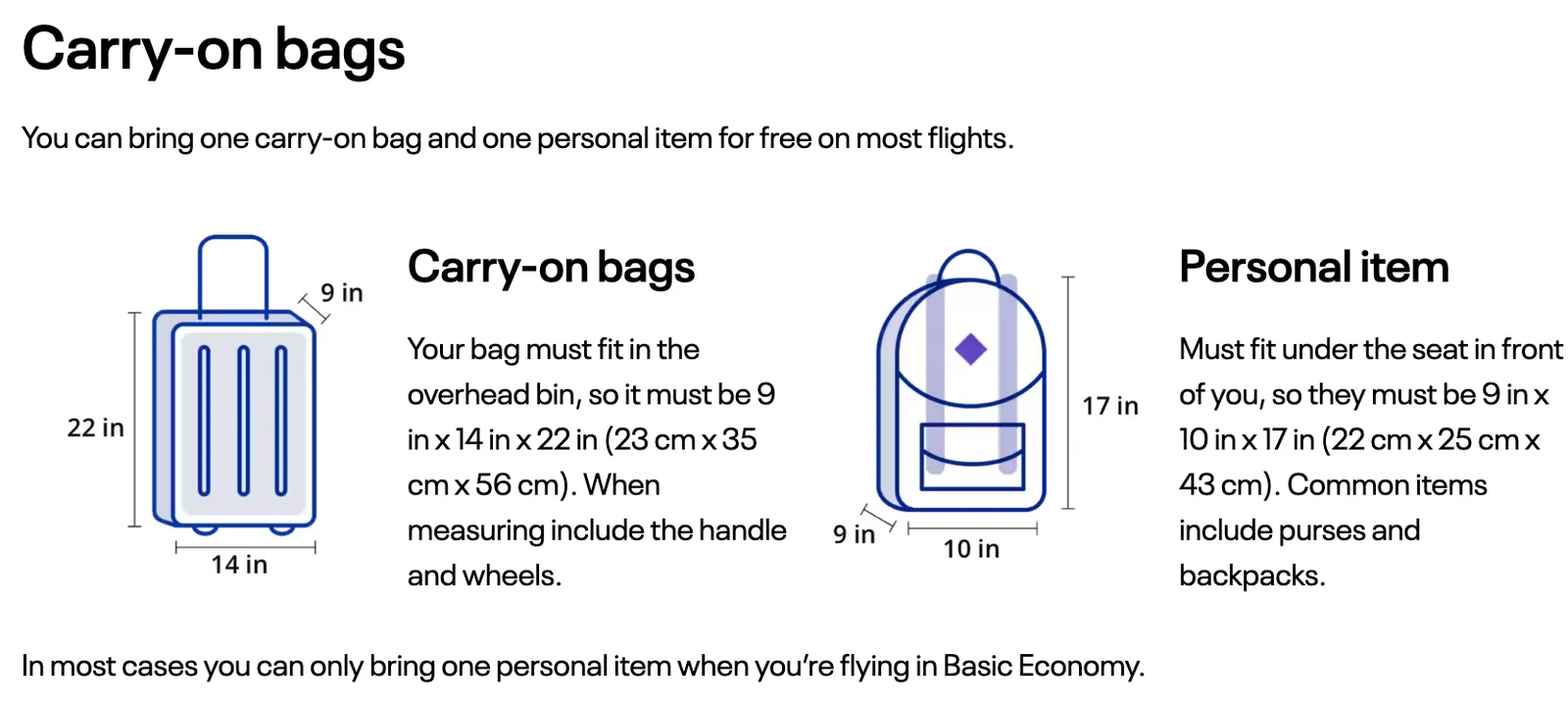
Can I bring a backpack and a carry-on suitcase?
Yes, you can bring both as long as the backpack qualifies as a personal item. It must fit under the seat in front of you, while the suitcase goes into the overhead bin.
Does my backpack count as a carry-on?
No, it counts as a personal item if it fits under the seat. If your backpack is too large to fit under the seat, the airline will count it as your primary carry-on bag.
Is there a weight limit for my backpack?
Yes, most airlines set a combined weight limit for all carry-on items, typically between 15 and 22 pounds. Check your airline’s website for the exact limit allowed for your specific fare class.
What happens if my bag is too big?
You’ll likely be charged a fee to check the bag at the gate. This fee is often higher than the cost of checking a bag online before you arrive at the airport.
Can I carry a laptop in my backpack?
Yes, you can carry a laptop in your backpack. It’s usually best to keep it there so you can easily remove it for security scanning at the checkpoint without opening your suitcase.
Does it matter if my backpack is full?
Yes, a full, bulging backpack may not fit under the seat. If it doesn’t fit, you’ll be forced to move it to the overhead bin or check it, which may result in extra fees.
Can I bring a backpack on a budget airline?
Yes, but check your ticket restrictions. Some low-cost carriers only include a personal item in their cheapest fare, so you must ensure your backpack meets those size requirements to avoid extra costs.
Conclusion
Check your airline’s website for the exact bag dimensions allowed for your specific ticket. You should see a “baggage” or “carry-on” tab that lists the maximum inches for both your personal item and carry-on. If you arrive at the gate with bags that are too large, you must pay the fee requested by the airline.