
Yes, most airlines allow you to bring a personal item alongside your primary bag, meaning yes, you can carry a carry on and a backpack on almost all flights. This assumes the backpack fits under the seat in front of you. Check your specific airline’s baggage policy before you reach the airport.
Can you carry a backpack and carry on
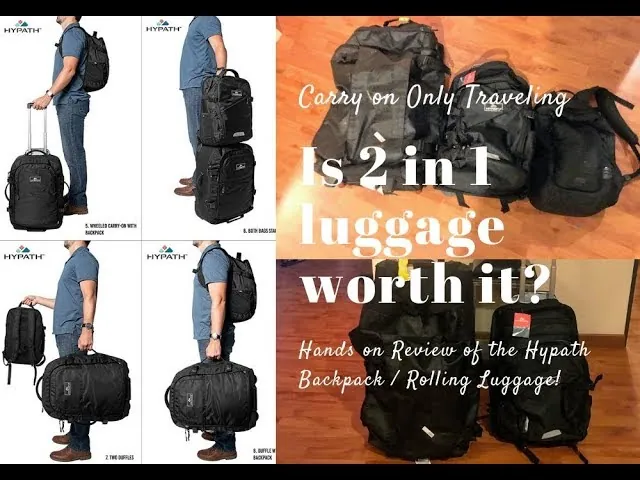
Most major carriers distinguish between a standard overhead bin bag and a smaller personal item. Your primary carry-on goes into the overhead bin, while your backpack serves as the personal item that must fit beneath the seat.
| Airline Situation | Allowance | Requirement |
|---|---|---|
| Standard Economy | Two items | One overhead, one under seat |
| Basic Economy | One item | Check specific airline policy |
| Regional Jets | Varies | Limited overhead space |
| Business Class | Two items | Larger allowance usually applies |
| Low-cost Carriers | Paid add-on | Often charge for overhead bags |
| International Long-haul | Two items | Standard for most global routes |
What determines your baggage limit
Your total allowance depends on the fare class you purchased rather than the size of the aircraft. Airlines define a personal item as a bag that fits under the seat, typically measuring around 18 x 14 x 8 inches, though specific dimensions vary by carrier. If your backpack exceeds these limits, it may be treated as your primary carry-on, forcing you to check your larger suitcase.
Weight limits also play a major role in international travel, where some carriers enforce a strict combined weight for both bags. Before heading to the terminal, verify the Transportation Security Administration carry-on guidelines regarding prohibited items to ensure your bags pass through screening smoothly. If you choose to carry both, your movement through the terminal remains efficient only if your backpack has a luggage sleeve to attach securely to the suitcase handle. If you travel with two heavy bags, then expect to move slower; if you travel light, then you’ll navigate crowds much easier.
How to manage your bags
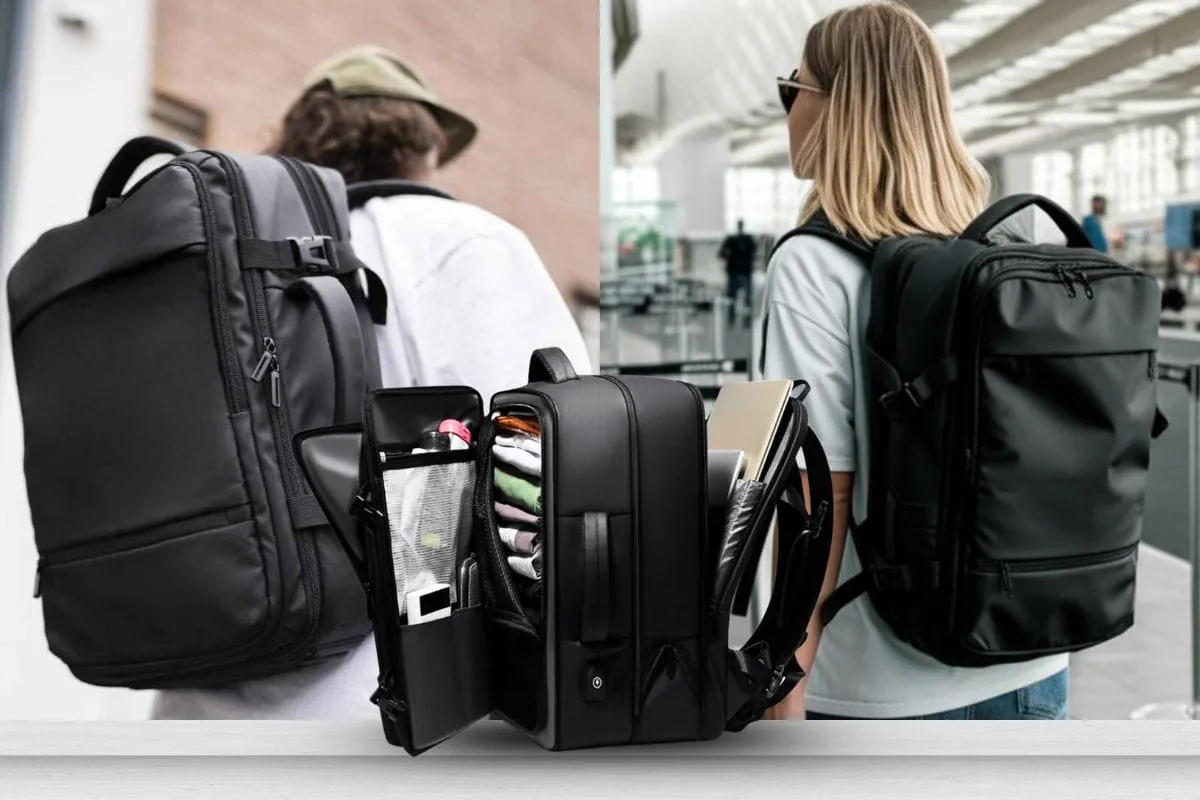
- Pack the essentials in the backpack so you have easy access to your passport, phone, and chargers during the flight.
- Use a luggage sleeve on your backpack to slide it over the handle of your rolling carry-on for easier transport.
- Measure your backpack while fully packed to ensure it meets the personal item dimensions listed on your airline’s website.
- Keep the backpack under the seat to comply with safety regulations, as overhead bins are reserved for larger items.
- Verify your fare class to ensure you’re actually entitled to two bags, as some budget tickets only permit one.
The common packing mistake
People often make the mistake of overstuffing their backpack so it becomes too wide to fit under the seat. This forces the flight crew to move your bag to the overhead bin, which may already be full, causing delays for everyone during boarding. It costs you time and causes stress when you have to gate-check a bag you intended to keep with you. Always leave at least two inches of empty space in your backpack so it can be compressed easily into the under-seat gap.
When to seek gate assistance
- The backpack is too large to fit under the seat, which blocks the emergency egress path.
- The airline staff flags your items as oversized, requiring a mandatory gate check.
- You’re flying on a small regional aircraft where overhead bin space is strictly limited.
- Your combined weight exceeds the airline’s stated limit for carry-on luggage.
If you face these issues, speak to a gate agent immediately. They handle re-checking bags and can tell you if your specific flight has room for extra items. Attempting to force a bag into a full bin causes damage and delays the flight, so let the professionals handle the stowage.
Frequently asked questions
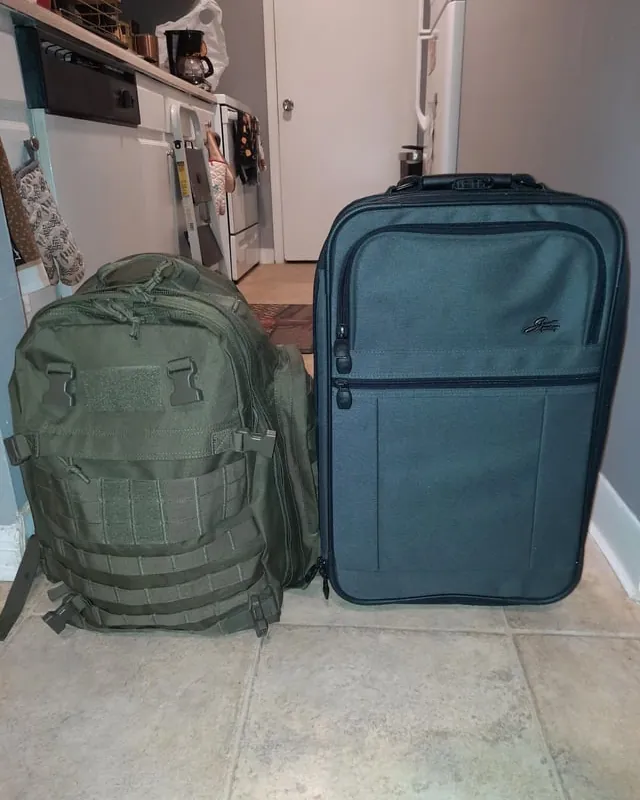
Can I carry a backpack if I have a roller bag?
Yes, you can carry both as long as the backpack qualifies as your personal item. Most airlines define this as a bag small enough to fit completely under the seat in front of you.
Does the personal item have a weight limit?
Yes, many airlines apply a weight limit, often between 15 and 20 pounds, though this varies by carrier. Check the official baggage page on your airline’s website for the exact number for your specific ticket.
What happens if my backpack is too big?
If your backpack is too big, the gate agent may force you to check it as luggage. This often results in a fee, especially if you’re flying on a budget airline with strict baggage policies.
Is a laptop bag considered a personal item?
Yes, a laptop bag is usually counted as your personal item. If you have both a laptop bag and a backpack, the airline may require you to combine them into one single personal item.
Can I bring a purse and a backpack?
No, most airlines count both a purse and a backpack as personal items. You must combine these into one bag to comply with the “one personal item” rule unless your fare allows for more.
How do I know if my bag fits?
You can check your bag size by using the metal sizers located at the departure gate. If your bag fits inside the frame without being forced, it meets the airline’s requirements for carry-on or personal items.
Conclusion
Start by checking your airline’s mobile app to confirm your specific baggage allowance for your ticket type. A successful trip depends on your bags fitting the size requirements, so verify these before you leave home. If you notice your bag is clearly too large, check it early to avoid gate fees.