
As an Amazon Associate, we earn from qualifying purchases. This post contains affiliate links – if you buy through them, we may earn a commission at no extra cost to you.
Finding the best backpack for day hikes isn’t about picking the one that everyone else likes. It’s about matching the bag to your body, the length of your trail, and what you need to carry. Some hikers prioritize weight above all else, while others need specific gear like trekking poles or hydration reservoirs. We look at capacity, frame design, and organization to help you decide. If you want a do-it-all pack, the Osprey Talon 22 is a frequent favorite, while those needing a specialized women’s fit often turn to the Osprey Tempest 22.
1. Osprey Talon 22L Men’s Lightweight Hiking Backpack
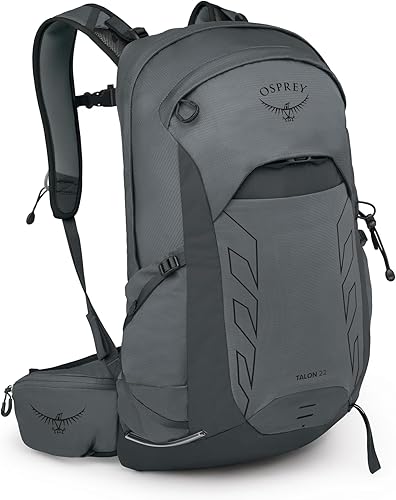
Best for: Hikers who need one versatile, high-performance pack for every season.
This pack is built for those who move quickly and need a bag that stays stable against the body. The AirScape backpanel improves airflow, which is helpful if you hike in humid areas or move at a fast pace. Because it has a sliding yoke and adjustable hipbelt, you can change the fit to match your torso length.
The multi-sport attachments, like the LidLock for helmets and stow-away ice ax loops, make this a great choice for people who cycle as much as they hike.
Good if:
- You want a bag that works for hiking and cycling.
- You need a highly adjustable fit for your torso.
- You carry specialized gear like trekking poles.
Skip it if:
- You prefer a pack that sits off your back with a mesh trampoline.
- You’re looking for the lightest possible daypack on the market.
2. Osprey Tempest 22L Women’s Lightweight Hiking Backpack

Best for: Women seeking a pack engineered for specific body proportions.
The Tempest 22 mirrors the versatility of the Talon but uses a geometry tailored for a women’s fit. The BioStretch hipbelt and harness are designed to contour to female anatomy, which helps keep the weight balanced on the hips rather than the shoulders.
This bag includes an internal hydration sleeve and zippered hipbelt pockets. It’s a solid choice for full-day adventures where you need to keep essentials organized and accessible.
Good if:
- You need a harness specifically shaped for a woman’s frame.
- You value stable, close-to-body carry on technical trails.
- You want quick access to small snacks in hipbelt pockets.
Skip it if:
- You want a single bag that fits everyone in your household.
- You need more than 22 liters of space for overnight gear.
3. CamelBak Cloud Walker 18 Crux Reservoir Hiking Hydration Backpack

Best for: Hikers who want a hydration-first system included in the purchase.
This pack is built around the 2.5L Crux reservoir, making it a strong choice for those who don’t want to buy their hydration bladder separately. The Air Support back panel uses body mapping to focus on ventilation where you heat up the most, which helps keep you comfortable on long, sunny trails.
The removable waist strap is a nice touch for stability, though it lacks the heavy padding found on more technical climbing packs.
Good if:
- You want a hydration reservoir included right out of the box.
- You hike in high-heat areas and need targeted ventilation.
- You like having a secure, dedicated phone pocket for quick access.
Skip it if:
- You already own a preferred brand of hydration reservoir.
- You need a heavy-duty frame for carrying dense, bulky equipment.
4. Osprey Sportlite 20L Lightweight Hiking Backpack
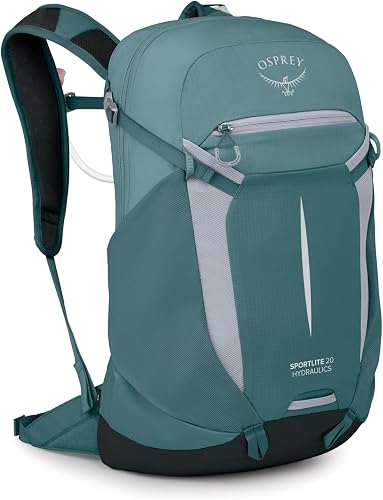
Best for: Hikers who prioritize eco-friendly materials and a minimalist, clean look.
The Sportlite 20 is designed for those who want a streamlined experience without extra bells and whistles. It uses 100% recycled nylon, which is a big plus for environmentally conscious hikers. The pack features a simple, effective harness and a comfortable backpanel that balances weight well.
Because it’s a unisex, one-size design, it’s easy to pick up and go, but it lacks the deep customization of the Talon or Tempest series.
Good if:
- You want a pack made from recycled materials.
- You prefer a lightweight, minimalist aesthetic on the trail.
- You want a simple, one-size-fits-all harness design.
Skip it if:
- You need highly specific pockets for small, loose gear.
- You require a custom torso adjustment for a perfect fit.
5. Osprey Hikelite 18L Hiking Backpack

Best for: Hikers who want maximum back ventilation and built-in rain protection.
The Hikelite 18 features a trampoline-style suspension system that holds the pack away from your back. This creates a gap for air to flow, which is arguably the best way to prevent a sweaty back on hot days. It also includes a dedicated raincover, saving you the trouble of buying one as an extra accessory.
This pack features trekking pole loops and side compression straps.
Good if:
- You struggle with a sweaty back and need maximum airflow.
- You want an included raincover for unpredictable weather.
- You prefer a frame that keeps the bag off your back.
Skip it if:
- You need to carry a laptop or flat tech items.
- You prefer a pack that sits flush against your body.
6. Osprey Daylite Plus

Best for: Hikers who transition quickly from the trail to the office.
This is a true hybrid bag that handles a 14-inch laptop as easily as it handles a water bladder. It has a versatile organizational layout, including a front shove-it pocket that’s perfect for a rain shell or extra layer. The AirScape backpanel provides a stable carry for both hiking and city commuting.
It lacks specialized hiking features like heavy-duty load lifters or ice ax attachments.
Good if:
- You want a single bag that transitions seamlessly between work, travel, and day hikes.
- You need a padded sleeve for a laptop.
- You like the convenience of a front shove-it pocket.
Skip it if:
- You’re heading out on technical, remote hiking trails.
- You need dedicated trekking pole or ice ax attachments.
7. The North Face Borealis Mini

Best for: Casual hikers who want a scaled-down pack for light loads.
At 10 liters, the Borealis Mini is about as compact as it gets. It keeps the iconic bungee system of its larger sibling, which is great for stuffing a light jacket or hat on the outside of the bag. The fabric is durable and water-repellent, making it surprisingly tough for its small size.
Because it’s quite small, it’s best for short, casual walks where you only need water, a snack, and your phone.
Good if:
- You only need to carry a few small essentials.
- You like the bungee system for securing extra layers.
- You want a durable, compact bag for short walks.
Skip it if:
- You’re going on a full-day hike that requires extra gear.
- You need to carry a standard 2-liter hydration bladder.
8. Eddie Bauer Stowaway 20

Best for: Travelers who need a pack that disappears when not in use.
The Stowaway 20 is designed to pack down into its own small pocket, making it ideal for tossing into a suitcase. Despite being packable, it still includes a hip belt and shoulder straps that offer decent support for light loads. The ripstop fabric is also treated to shed light moisture.
It’s a great secondary bag, but lacks the frame and ventilation of dedicated hiking packs.
Good if:
- You need a bag that packs down small for travel.
- You want a lightweight option for weekend getaways.
- You appreciate water-resistant fabric for light rain.
Skip it if:
- You need a rigid frame for heavy or awkward loads.
- You require advanced ventilation for hot-weather hiking.
9. Mardingtop 25L Hiking Backpack

Best for: Hikers who need a rugged, tactical pack with expansion options.
If you like the “Molle” style of gear, this is the pack for you. It uses 600D polyester and YKK zippers, which are known for being sturdy and long-lasting. The tactical design allows you to attach extra gear to the outside, which is useful if you have specific tools or pouches you like to keep on the exterior.
The pack is durable but heavier than other lightweight options.
Good if:
- You like the modularity of tactical Molle gear.
- You need a highly durable, abrasion-resistant bag.
- You want a separate compartment for a hydration bladder.
Skip it if:
- You’re trying to minimize the weight of your pack.
- You prefer a modern, lightweight hiking aesthetic.
10. Teton 55L Scout Internal Frame Backpack

Best for: Hikers transitioning into longer trips who need more volume.
The Scout 55 is in a different league regarding size, offering 55 liters of space. It features an internal frame and a multi-position torso adjustment, which is vital for carrying heavier loads comfortably. It’s a good choice for someone who wants to start doing overnight trips but still wants a bag that works for a long, gear-heavy day hike.
Good if:
- You need extra capacity for overnight or gear-heavy trips.
- You want a pack that can be adjusted for different torso lengths.
- You need a dedicated sleeping bag compartment.
Skip it if:
- You only do short, light-duty day hikes.
- You find large packs cumbersome and difficult to manage.
Choosing the Best Backpack for Day Hikes
Most of these packs share a core set of features: hydration compatibility, side pockets for bottles, and some form of airflow management on the back. If you’re choosing between the Mardingtop 25 and the Teton Scout 55, you’re looking at two very different philosophies; one is for tactical, modular organization, while the other is for traditional long-distance backpacking.
Still Not Sure?
How often will I really use it?
If you’re a weekend warrior who hits the trails every Saturday, investing in a specialized, adjustable pack like the Osprey Talon 22 or Tempest 22 will pay off in comfort. If you’re only going out once or twice a year, a simpler, versatile option like the Osprey Daylite Plus is likely enough.
What do I already own that this has to work with?
Think about your current hydration system. If you already have a high-quality reservoir you love, you don’t need to pay for a pack that includes one, like the CamelBak Cloud Walker 18. If you lack a reservoir, buying a pack that includes one can save you the hassle of shopping for a perfect fit later.
What am I most likely to regret choosing?
The most common regret is choosing a pack that’s too small for your gear or too large for your comfort. If you have a lot of gear, don’t try to squeeze it into the Borealis Mini. If you only carry water and a snack, the Teton Scout 55 will feel like overkill and add unnecessary weight to your day.
Choosing the right pack starts with understanding the load distribution required for your specific trail. Once you pick the right size and fit, you’re ready to hit the trail.
Related guides
Frequently Asked Questions
What does this pack require of me week to week?
Most of these packs require very little maintenance beyond emptying out trash and letting the bag air out after a sweaty hike. If your pack has a hydration reservoir, rinse it thoroughly with warm water and let it dry completely to prevent mold growth in the tube or bladder.
What has to be replaced or renewed to keep it working?
The most common parts to wear out are the elastic cords on bungee systems or the mesh on side pockets if they snag on branches. If you use a hydration bladder, the bite valve is the most likely component to need replacing after a year or two of regular use.
What happens when the pack is outgrown or used up?
If you find yourself needing more space for longer trips, you can graduate to a larger internal frame pack like the Teton Scout 55. If the pack is simply worn out, many manufacturers offer warranty support for manufacturing defects; check the brand’s official site to see if your specific issue qualifies for repair.
Would a more capable pack have suited me better?
If you bought a minimalist pack but find yourself wishing you had more attachment points for gear, you might have been better served by a tactical option like the Mardingtop 25. Conversely, if you bought a large pack and find it heavy and cumbersome, you would likely be happier with a lightweight model like the Osprey Sportlite 20.
Conclusion
Once you’ve narrowed down your top choices, head to a local shop to try them on with a little weight inside. It’s the best way to see how the straps feel against your shoulders. Don’t rush the decision; you’ll be glad you took the time to find your perfect match.